
How to Strengthen Nails After Gel Manicure
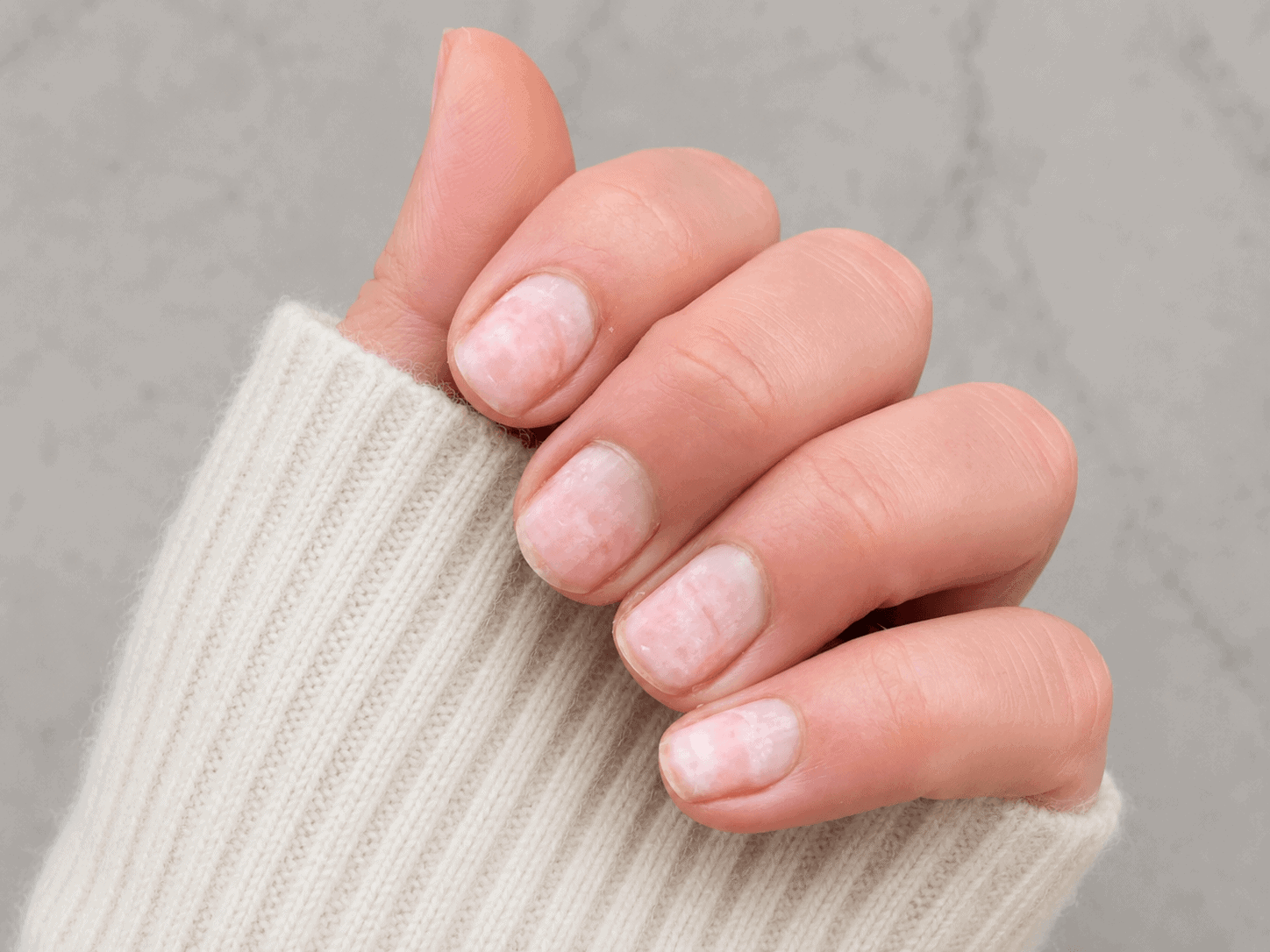
Thin, peeling, bendy nails after a gel manicure are one of the most common things clients come to me about. Usually they’ve had a few years of back-to-back gel nails appointments and either had a rough removal or just worn the nails down gradually without realising. The good news is that nail damage from gel is almost always reversible. It just takes longer than most people expect.
What You’re Actually Dealing With
Gel itself doesn’t damage the nail plate structurally. What causes the thinning, peeling and white patches is the removal process, specifically the buffing and filing that happens during prep and at removal, and acetone dehydrating the nail plate over repeated cycles. The practical implication is that no topical product can put those keratin layers back. Recovery means growing out healthier nail from the base while protecting and hydrating what’s there in the meantime. If you want the full picture on what gel does to nails, the is gel nail polish bad for your nails guide covers it in detail.
Before You Start
Patience and consistency are the whole point. Nails are something you look at constantly, and when they’re damaged, you notice every little thing. It’s frustrating to watch slow progress. But I have seen many clients come in with genuinely thin, peeling nails and recover fully over a few months of consistent care.
Protect Before You Rebuild
The first thing I suggest doing is to cut your nails short. I know that’s not what anyone wants to hear, but a thin nail plate breaks far more easily at length and every break takes you back to square one. File only when you need to, with a glass file or nothing coarser than 240 grit, working in one direction rather than back and forth. Short nails now genuinely get you to longer, stronger nails sooner.
Alongside that, gloves for washing up and cleaning are non-negotiable during recovery. Water makes the nail plate expand then contract as it dries, and repeated cycles of this gradually weaken the keratin bonds holding everything together. Detergents make it worse. A pair of gloves by the sink costs almost nothing and removes one of the most consistent sources of ongoing damage.
Start the Rebuilding
The most important habit to build during recovery is applying cuticle oil twice a day. I know it sounds like a small thing, but it makes the biggest difference of anything I recommend. Morning and evening, a drop on each nail, massaged in for a minute. Cuticle oil penetrates the nail plate and surrounding skin in a way hand cream simply doesn’t, so don’t assume they’re interchangeable. The clients I see recover fastest are almost always the ones who do this every single day without skipping.
One thing most people don’t realise about strengtheners
A nail strengthener with keratin, calcium or biotin gives the nail plate something extra to work with while it rebuilds. But strengtheners shouldn’t be used continuously for more than around two weeks. After that, switch to a flexible base coat instead. Left on too long, a hardening strengthener can make nails rigid and brittle in a different way, which is the opposite of what you’re trying to achieve.
How Long It Takes
The answer depends on how much damage you’re dealing with. Mild dehydration, where nails feel slightly dry and lack shine but aren’t visibly damaged, can improve noticeably within two to three weeks of consistent care.
Visible damage is a different picture. Thinning, white patches and peeling take longer because recovery depends on new nail growing in from the base. A fingernail grows roughly 3.5mm per month, so a full nail takes four to six months to replace itself completely. If your nails are severely thinned, that is the realistic timeline for full recovery, though you will see gradual improvement well before then.
Recovery isn’t always a straight line
Some weeks your nails will feel better, some weeks they’ll feel much the same as before, and that’s normal. What you’ve been doing with your hands that week, how much washing up, whether you forgot the gloves, all of it shows up. Keep going with the routine anyway. The consistency over months is what actually moves things forward, not any single product or perfect week.
Do You Need to Stop Gel Entirely?
For the recovery period, yes. If your nails are thin or compromised, even BIAB carries a risk. Thinner nail plates are more sensitive to heat spike during curing, which can cause a burning sensation that further stresses the nail bed. If you want to understand why that happens, the why does BIAB burn guide explains it. Acrylic involves surface filing and stronger chemistry, which isn’t the right environment for nails trying to recover.
The safest option while your nails rebuild is regular nail polish with an acetone-free remover. It adds colour and a small amount of protection without any of the prep, curing or soak-off processes that caused the damage in the first place.
Once you can see and feel real improvement, and the nail plate has some thickness back, returning to gel with proper removal technique and adequate breaks between full soak-offs is fine for most people.
When to See Someone
Most gel-related nail damage resolves with time and consistent care. If after several months of a proper recovery routine you’re not seeing improvement, or if you notice any of the following, that points to something beyond cosmetic damage that needs professional attention rather than cuticle oil.
- Green or yellow discolouration under the nail. This can indicate a bacterial or fungal infection that won’t resolve on its own.
- Pain or tenderness around the nail bed. Cosmetic damage doesn’t hurt. Pain that doesn’t settle is worth getting looked at.
- Nails lifting away from the skin. Separation between the nail plate and nail bed can have several causes, some of which need treatment.
A dermatologist can rule out infection or other conditions that need treatment. I can tell you what’s normal wear and tear from the chair. I can’t diagnose what isn’t.
Related articles
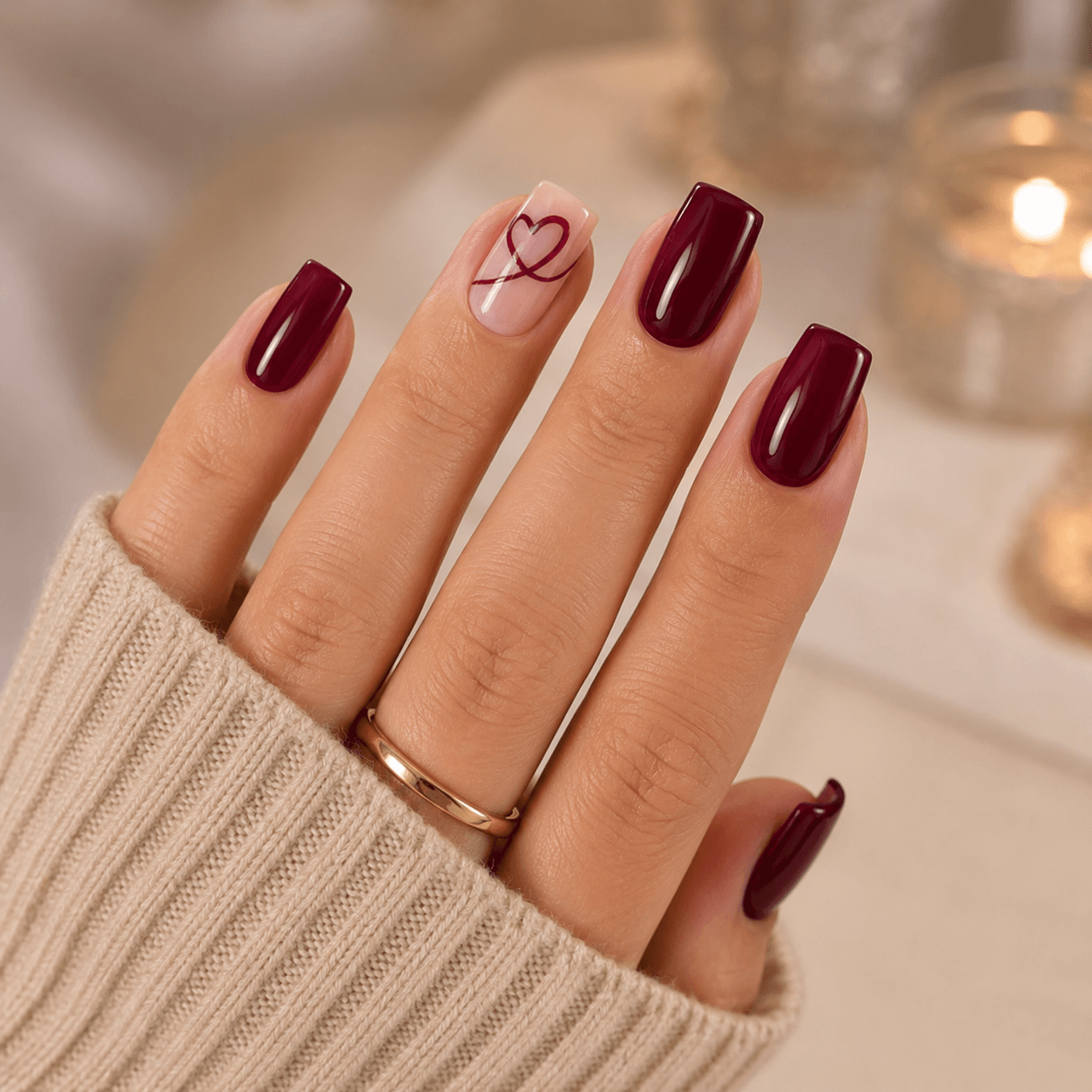
How Long Do Gel Nails Last?
Why some sets last two weeks and others last four and what preparation, aftercare and product choice actually determine.
Read more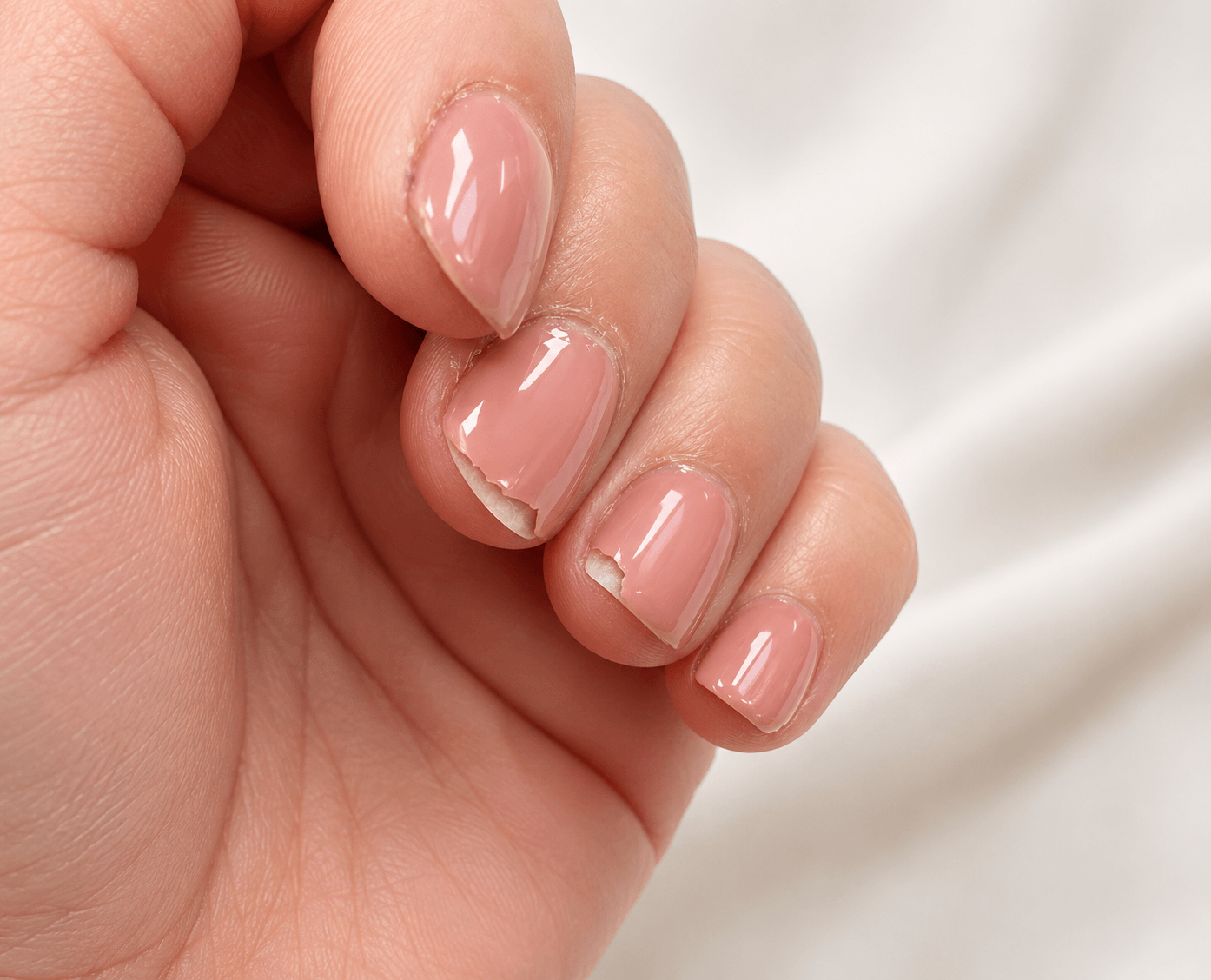
How to Stop Gel Nails from Peeling
The preparation, application and aftercare causes of early lifting and what to do about each one.
Read more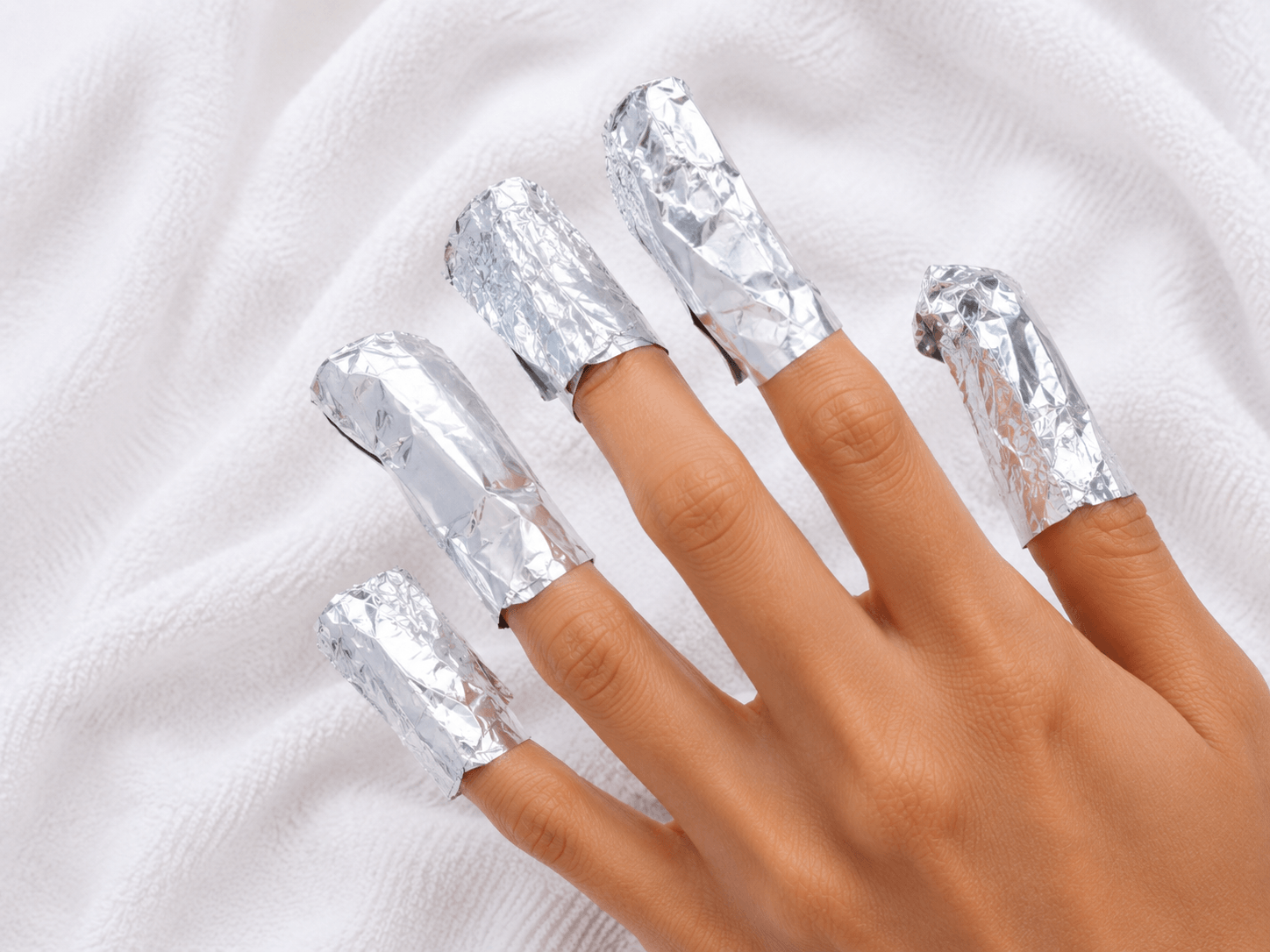
How to Remove Gel Nails at Home Without Damage
The safe method for removing gel at home, what to avoid and how to protect the nail plate throughout.
Read more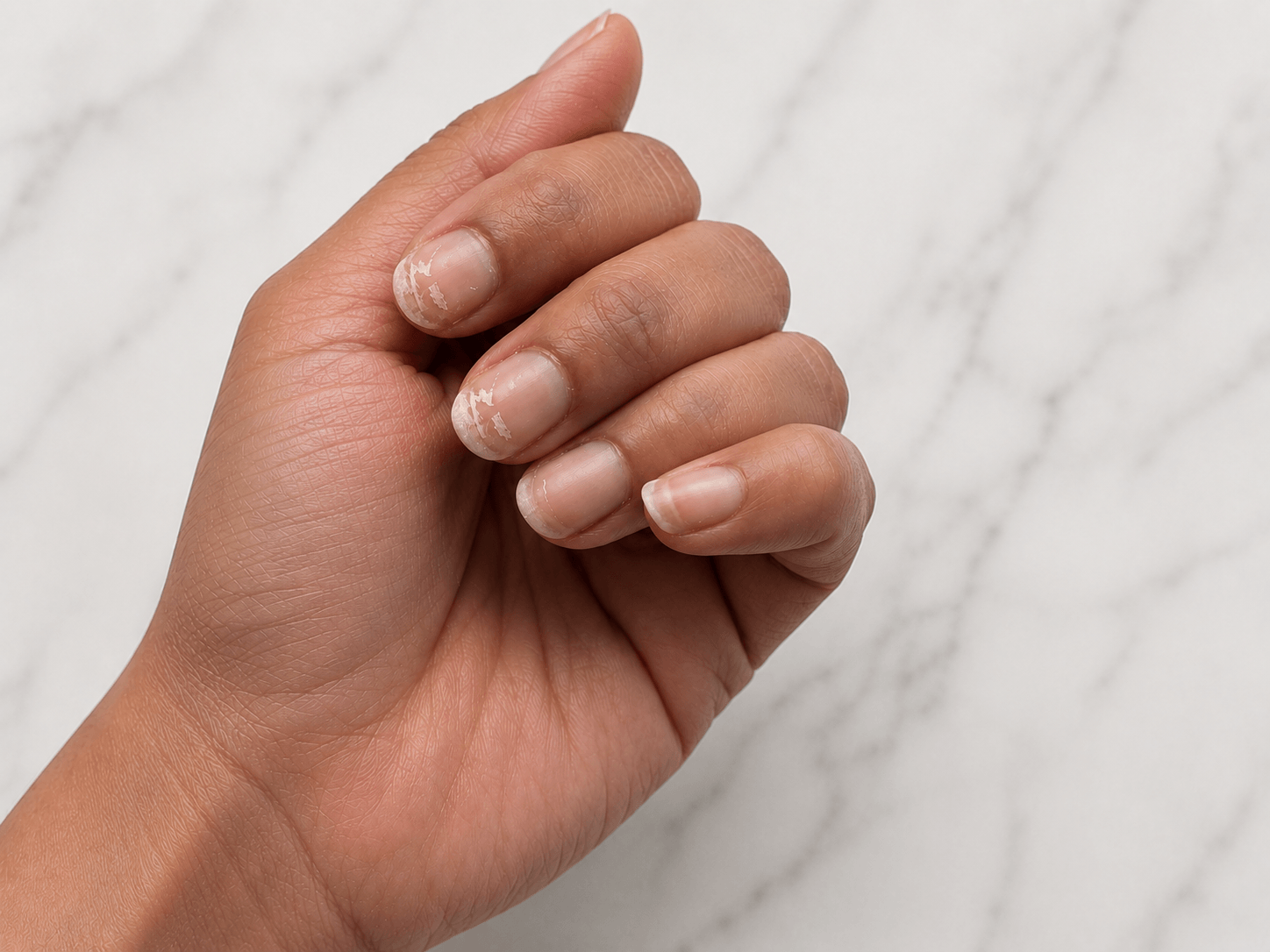
Is Gel Nail Polish Bad for Your Nails?
What the research actually says, what causes real damage and how to wear gel without the long-term downsides.
Read more