
How Long Do Gel Nails Last?
I hear some version of the same question every week. Why don’t my nails last?
The standard answer you’ll find online is two to three weeks. That’s accurate as a starting point. What it doesn’t tell you is why one client’s gel manicure looks perfect at week three while another client’s is lifting by day five, and what actually determines which one you’ll be.
How long do gel nails last?
Preparation is the single biggest factor in where you land within those ranges. Aftercare comes second. This article covers both.
The honest answer
A professional gel manicure should last two to three weeks. With good aftercare and thorough preparation, three weeks is consistently achievable. With BIAB rather than standard gel polish, three to four weeks is the norm.
At-home gel applications typically last one to two weeks. The gap between salon and home results comes down to preparation technique, product quality and lamp strength — none of which are easy to replicate without training and professional equipment.
Why some sets last two weeks and some last four
Preparation is the single most important factor and it happens entirely in the salon before colour touches your nail. Oils, moisture, cuticle tissue on the nail plate and an unsealed free edge all cause early lifting if not properly addressed. For the full breakdown of every cause and what to do about it, the how to stop gel nails from peeling guide covers it in detail.
The biggest cause of early lifting that most people don’t know about
If a client has three nails lifting and seven that are perfect, the problem is almost always inconsistent preparation on those specific nails rather than anything about the product or their hands. Preparation that’s thorough on nine nails and slightly rushed on one will produce exactly that result.
If one or two nails consistently lift before the others, mention it to your technician. It usually means those nails need more time during prep, not a different product.
What you can do at home to extend wear
The preparation happens in the salon, but aftercare has a real effect on how long the result holds.
Cuticle oil every day is the single most useful habit. When the skin around the nail dries out it tightens against the gel edge, which causes lifting at the base. A drop on each nail morning and evening takes under a minute.
Rubber gloves for washing up and housework matter more than most people expect. Hot water and washing-up liquid both weaken the gel bond at the edges, and this applies for the full duration of the manicure rather than just the first day or two.
Beyond that, dry your hands properly after washing, avoid using your nails to open things or peel stickers, and if the gel starts lifting at the edges, file it down rather than peeling it off. Peeling takes layers of the natural nail plate with it.
What your technician should be doing
Most clients don’t know what good preparation looks like because it happens before any colour goes on and it doesn’t look dramatic. The steps that make the biggest difference to longevity are dehydration of the nail plate, thorough removal of any cuticle tissue sitting on the nail surface, and properly sealing the free edge with top coat.
A thorough manicure preparation, where the cuticle area is properly cleaned and the nail surface correctly dehydrated, produces significantly better retention than a rushed prep. If your gel nails are never lasting past ten days, it is worth asking your technician to talk you through their preparation method.
Should you switch to BIAB?
Standard gel polish sits on top of the natural nail as a thin colour coating. It doesn’t add structure or strength. BIAB is different. It’s a thicker builder gel applied as an overlay, adding a protective layer that makes the nail more resistant to chipping and breakage. If you want the full picture, my what is BIAB nails guide covers everything you need to know.
For most clients who ask me why their nails don’t last, BIAB is the practical answer. It lasts three to four weeks as a baseline compared to two to three for gel polish, and it performs particularly well for clients with naturally flexible or weak nails, where standard gel tends to flex and lift as the nail moves.
| Gel polish | BIAB | |
|---|---|---|
| Wear time | 2 to 3 weeks | 3 to 4 weeks |
| Adds strength | No | Yes |
| Best for | Strong healthy nails wanting colour | Weak, flexible or growing nails |
| Removal | Straightforward | Longer — bonds more strongly |
| Finish | Thin, glossy colour coat | Thicker overlay, glossy finish |
The trade-off is removal. BIAB bonds to the nail plate more strongly than gel polish, which means it takes longer to remove and requires more work to break down safely. I’ve seen clients come in with thinner nails after repeated BIAB removal, particularly where the removal hasn’t been done carefully. That’s not a reason to avoid it, but it is worth knowing before you commit.
If your nails are already strong and healthy and you’re mainly looking for colour with a glossy finish, standard gel polish does that job well. If you want maximum wear time or you’re trying to grow your nails out, BIAB is worth trying. Everyone responds differently, so the best approach is to give it a set or two and see how your nails feel after removal.
When to go back
Two to three weeks is the right interval for standard gel polish. Leaving it longer means the product has grown away from the cuticle significantly, the risk of lifting increases and removal becomes slightly more involved.
BIAB can go to three to four weeks comfortably. The thicker overlay grows out more cleanly than gel polish and the risk of lifting is lower across a longer wear period.
If you notice lifting at the edges before your next appointment, don’t peel. File the edge smooth and keep applying cuticle oil until you can get in. Lifting left open at the edges allows moisture underneath the product and can create the conditions for infection, so a repair appointment is worth booking rather than waiting if the lifting is significant.
Related articles
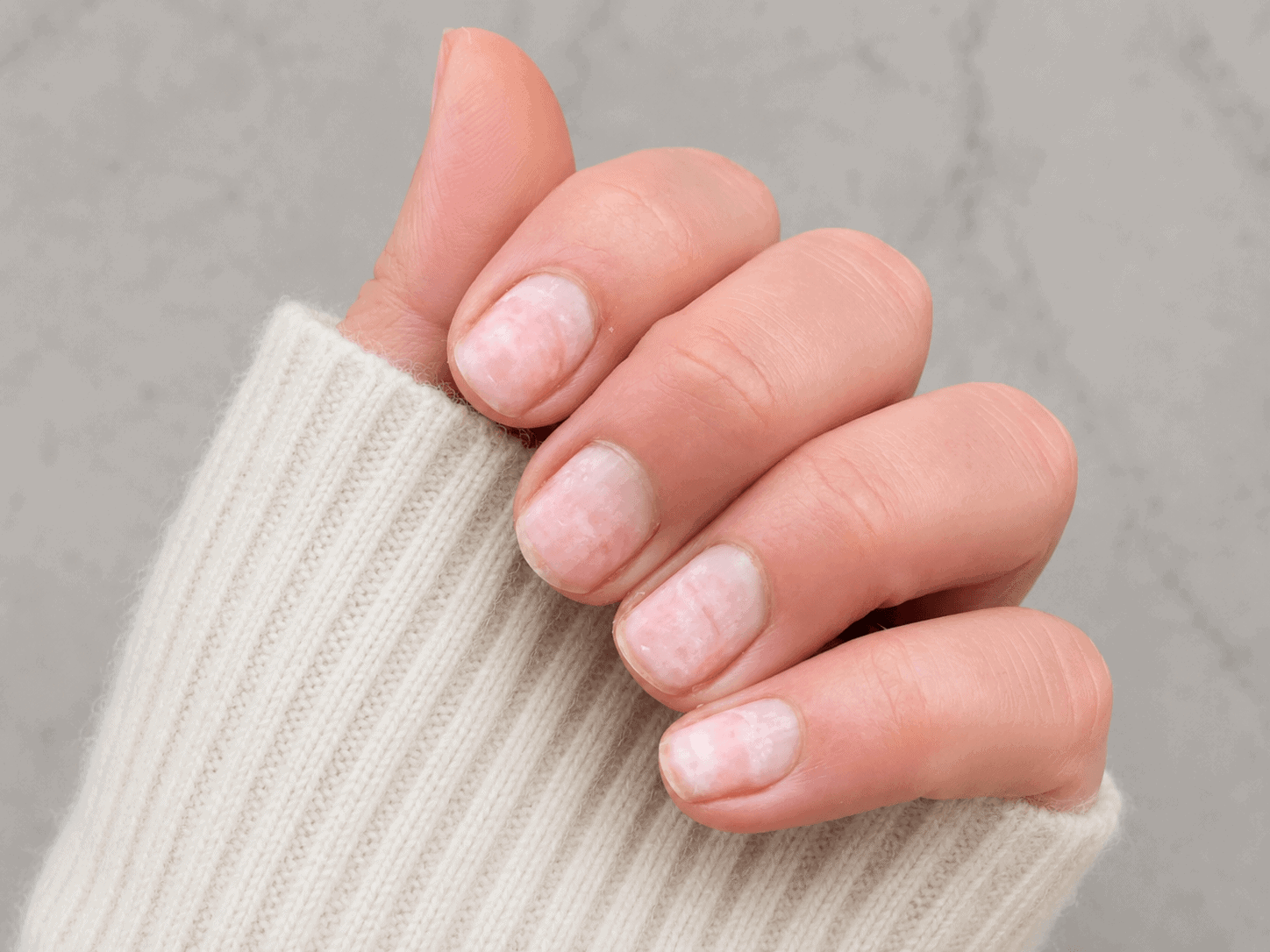
How to Strengthen Nails After Gel
What causes the damage, how long recovery actually takes, and the daily routine that gets your nails back to normal.
Read more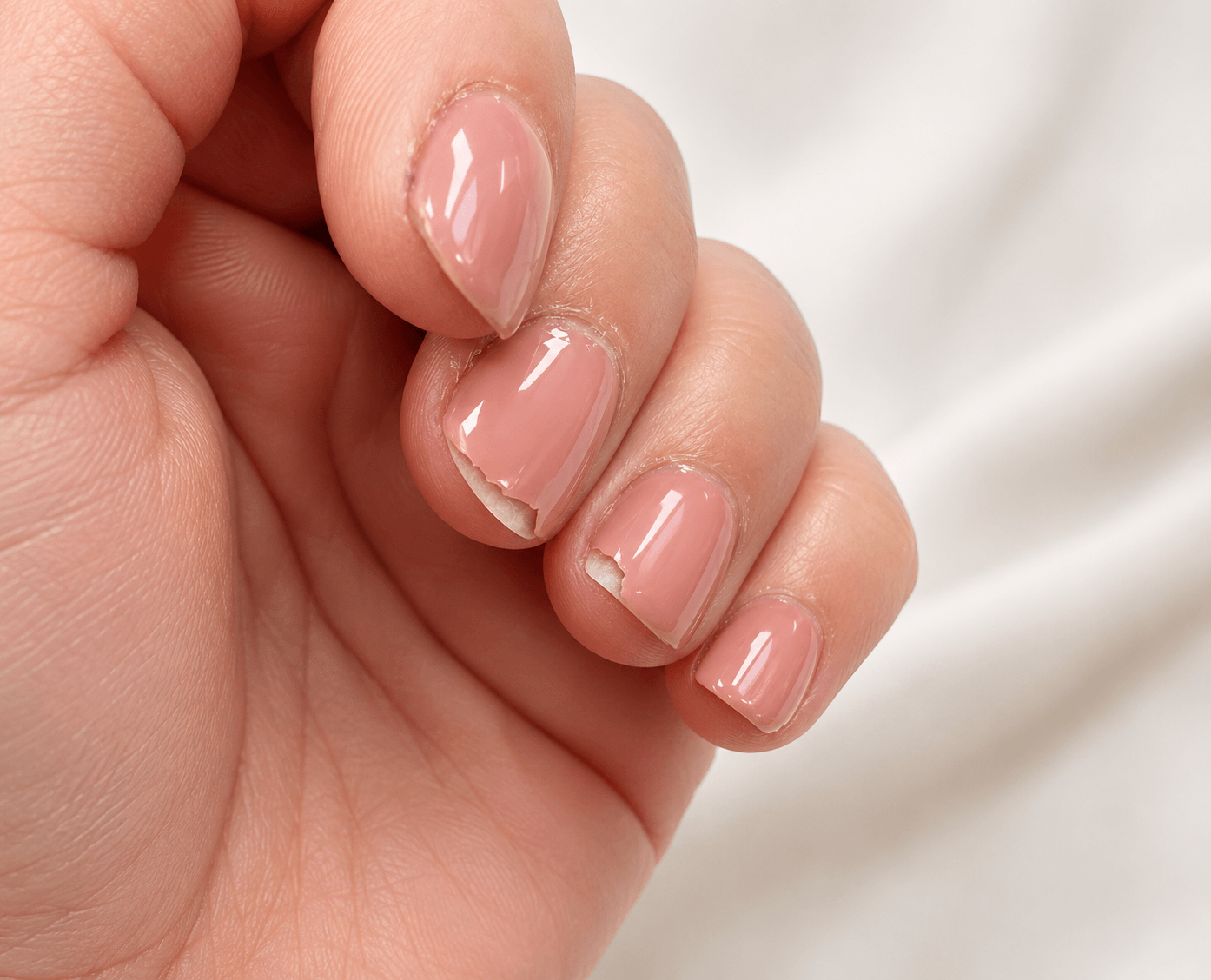
How to Stop Gel Nails from Peeling
The preparation, application and aftercare causes of early lifting and what to do about each one.
Read more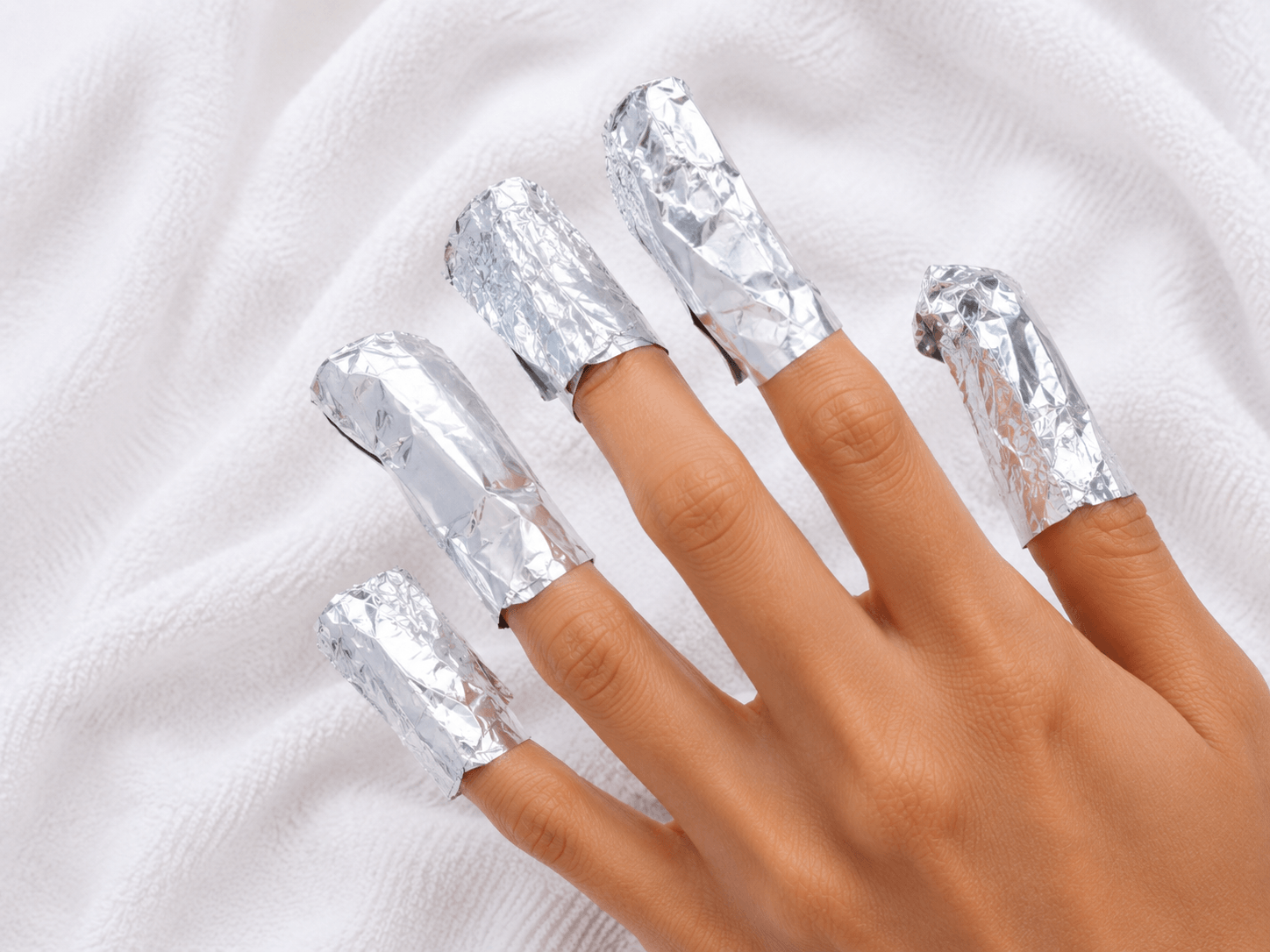
How to Remove Gel Nails at Home Without Damage
The safe method for removing gel at home, what to avoid and how to protect the nail plate throughout.
Read more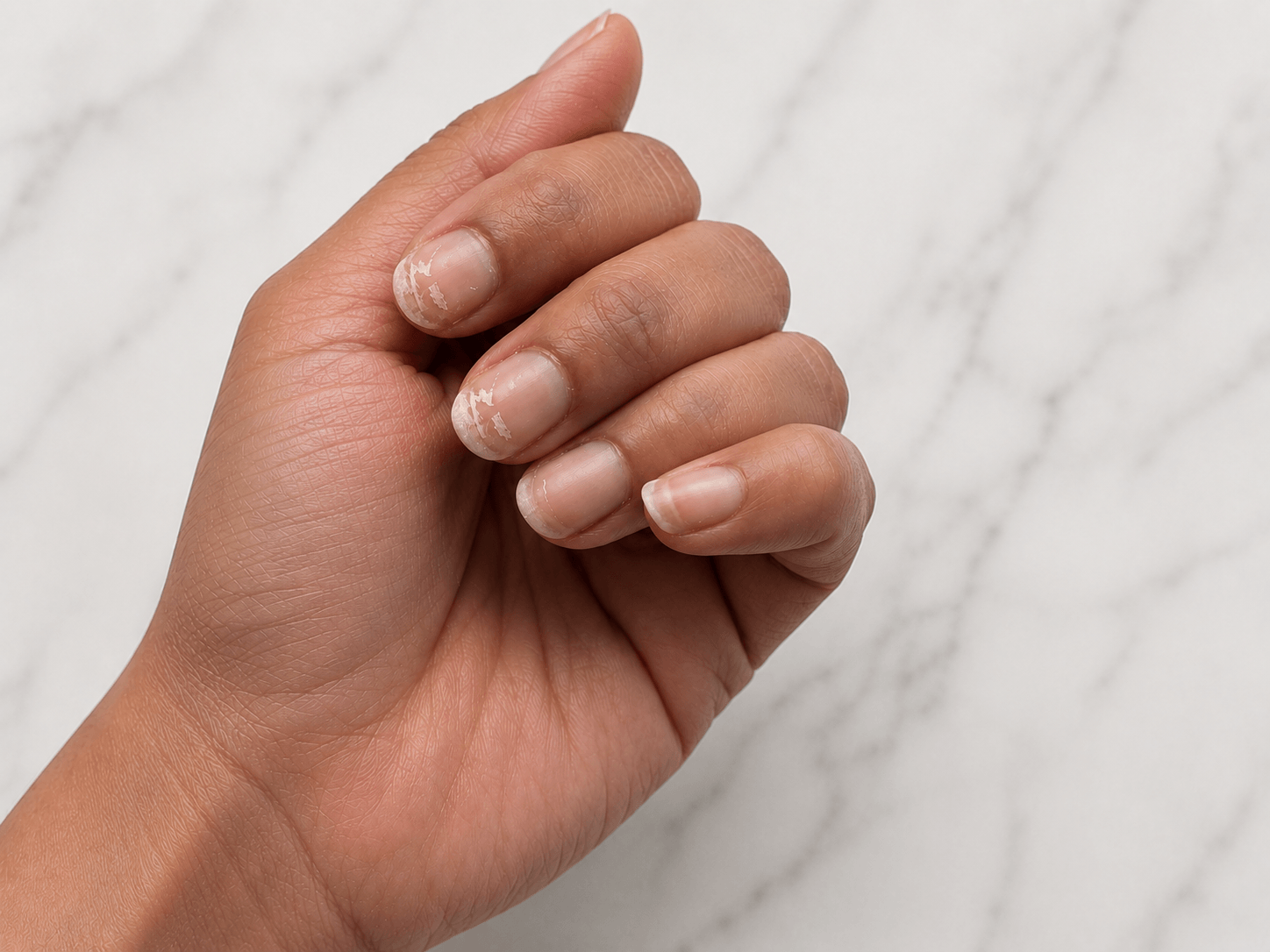
Is Gel Nail Polish Bad for Your Nails?
What the research actually says, what causes real damage and how to wear gel without the long-term downsides.
Read more