
Is Gel Nail Polish Bad for Your Nails?
Every few weeks someone asks me, gently or not so gently, whether gel is ruining their nails. Usually they’ve just read something online that’s frightened them, or they’ve noticed their nails look thinner than they used to. The honest answer sits somewhere between the headlines and the reassurance, and it’s worth explaining properly.
The Short Answer
Gel polish itself is not the main problem. Dermatologists who study nail health consistently point to the removal process rather than the product sitting on the nail for two weeks. That doesn’t mean gel carries zero risk. It means the risk is concentrated in a specific, identifiable place, which is useful because it tells you exactly what to be careful about.
The Acetone Misunderstanding
Soaking nails in acetone temporarily strips moisture and surface oils from the surrounding skin and the nail plate, which is why everything feels dry and tight afterwards. Acetone doesn’t alter the structure of the nail plate or cause permanent harm. The dryness you feel afterwards is real, but it’s reversible with cuticle oil and a bit of time.
Most of the concern around acetone comes from how it feels rather than what it’s actually doing. The sensation of dry, tight skin after a soak is uncomfortable but not structural damage.
What Actually Causes Most Nail Damage
Filing or drilling off the product that’s left after soaking is what physically thins the nail plate. The more aggressively it’s done, and the more often, the more the cumulative effect builds up. Peeling gel that hasn’t fully released does the same thing in a different way, taking layers of nail plate with it.
I see clients with genuinely thin, flaky nails almost every week, and the story behind it is almost always the same. Picking, peeling or aggressive filing at home rather than nails that simply react badly to gel as a product. The how to remove gel nails at home guide covers the safe method step by step if you want to do it yourself without the damage.
What About the UV Lamp?
This is the question I get asked most directly, usually with real concern behind it. UV exposure from gel curing lamps does add up over years of regular appointments, and dermatologists generally agree that cumulative exposure matters more than any single session. The skin cancer risk from gel-drying lamps is low, though not zero, and LED lamps expose your skin to less UV than older UV bulbs while curing faster.
The simple fix
Apply sunscreen to the backs of your hands before your appointment, the same way you would before going outside on a sunny day. It takes thirty seconds and removes most of the practical risk.
The TPO Ban
You may have seen headlines about a chemical called TPO being banned from gel products. As of September 2025, the EU banned TPO after it was reclassified as a reproductive toxicant, based on studies involving high doses in animals. A UK ban is expected to follow in 2026.
The detail most headlines leave out is this. TPO is a photoinitiator, the ingredient that reacts to UV or LED light and causes the gel to harden. Most of it gets used up during that curing reaction, which is why several dermatologists and cosmetic chemists describe the real-world exposure as minimal, even though the regulatory caution is reasonable. UK salons will move to TPO-free formulas ahead of the ban regardless, so this is being resolved at the product level rather than something you need to personally manage.
What to Watch For
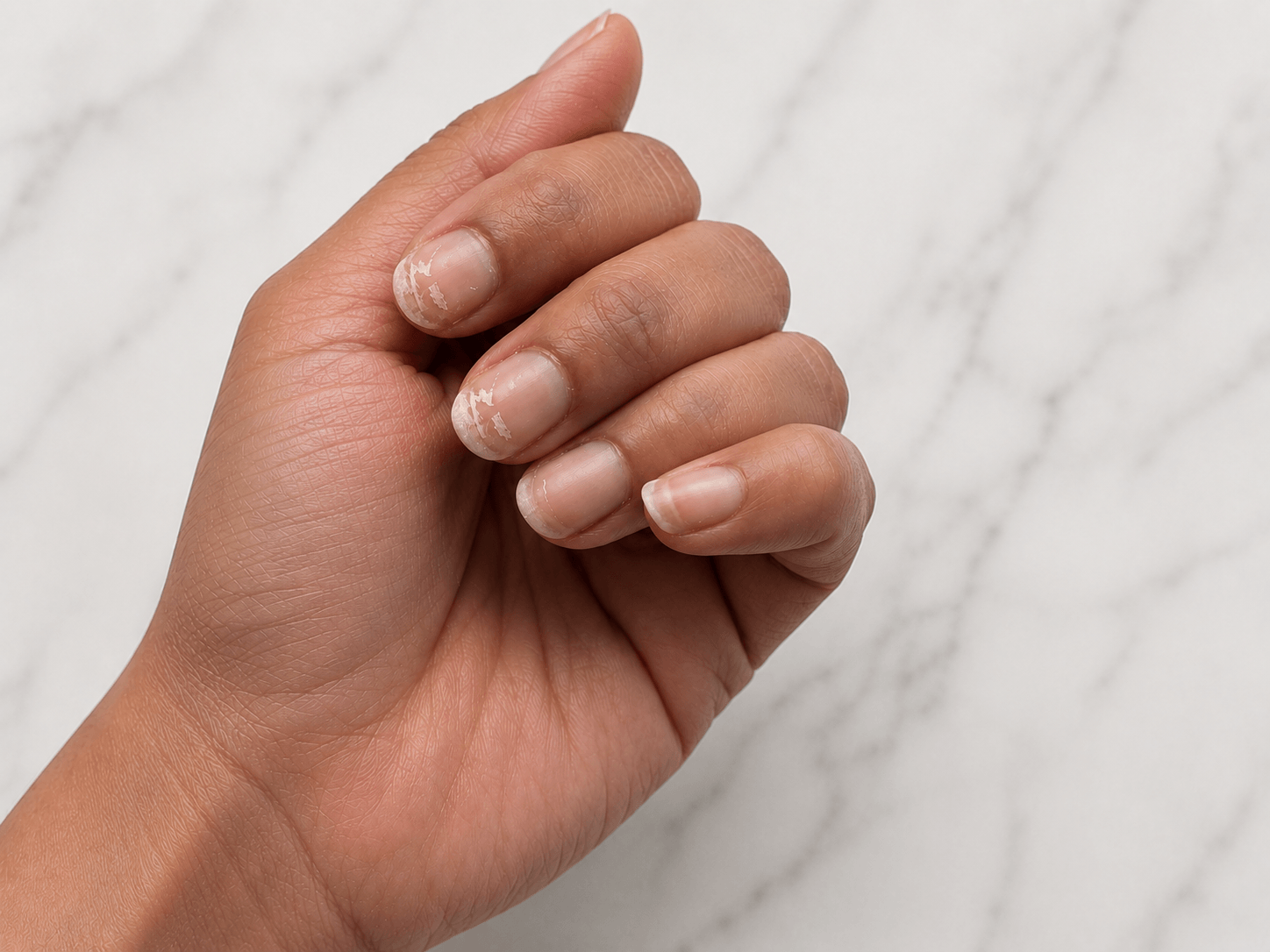
Thin white patches on the nail surface, sometimes called pseudoleukonychia, can appear after wearing polish continuously for a long time. Nails that feel noticeably softer or more flexible than they used to, or that crack and peel more easily, are also worth noting.
None of these are emergencies. They’re signs that your nails need a break and some active care, not signs that something has gone seriously wrong.
How to Wear Gel Without the Damage
Three things make the biggest difference. Go to a technician who soaks gel off properly rather than picking or filing it off aggressively, since this is where almost all the real damage happens. Apply cuticle oil daily, which keeps the nail plate hydrated and more resilient to the drying effect of repeated acetone exposure. And give your nails a genuine break, a week or two without any polish, every few months, particularly if you’ve noticed any thinning or white patches starting to appear.
One thing from my own experience
Never let anyone peel gel off for you, including yourself. If it’s lifting and you’re tempted to pick at it, file the edge down instead and wait for your next appointment.
When It’s Worth Seeing a Dermatologist
Most of what gel does to nails is cosmetic and reversible with a bit of care and time. If you notice persistent pain, swelling, discolouration that doesn’t grow out, or anything that looks like an infection rather than ordinary dryness, that’s worth a dermatologist’s attention rather than mine. I can tell you what’s normal wear and tear from the chair. I can’t diagnose what isn’t.
Gel polish, applied and removed properly, with the odd break and a bit of sunscreen, is a reasonable choice for most people. The damage stories you’ve read about almost always trace back to how it came off, not what it was doing while it was on.
Related articles
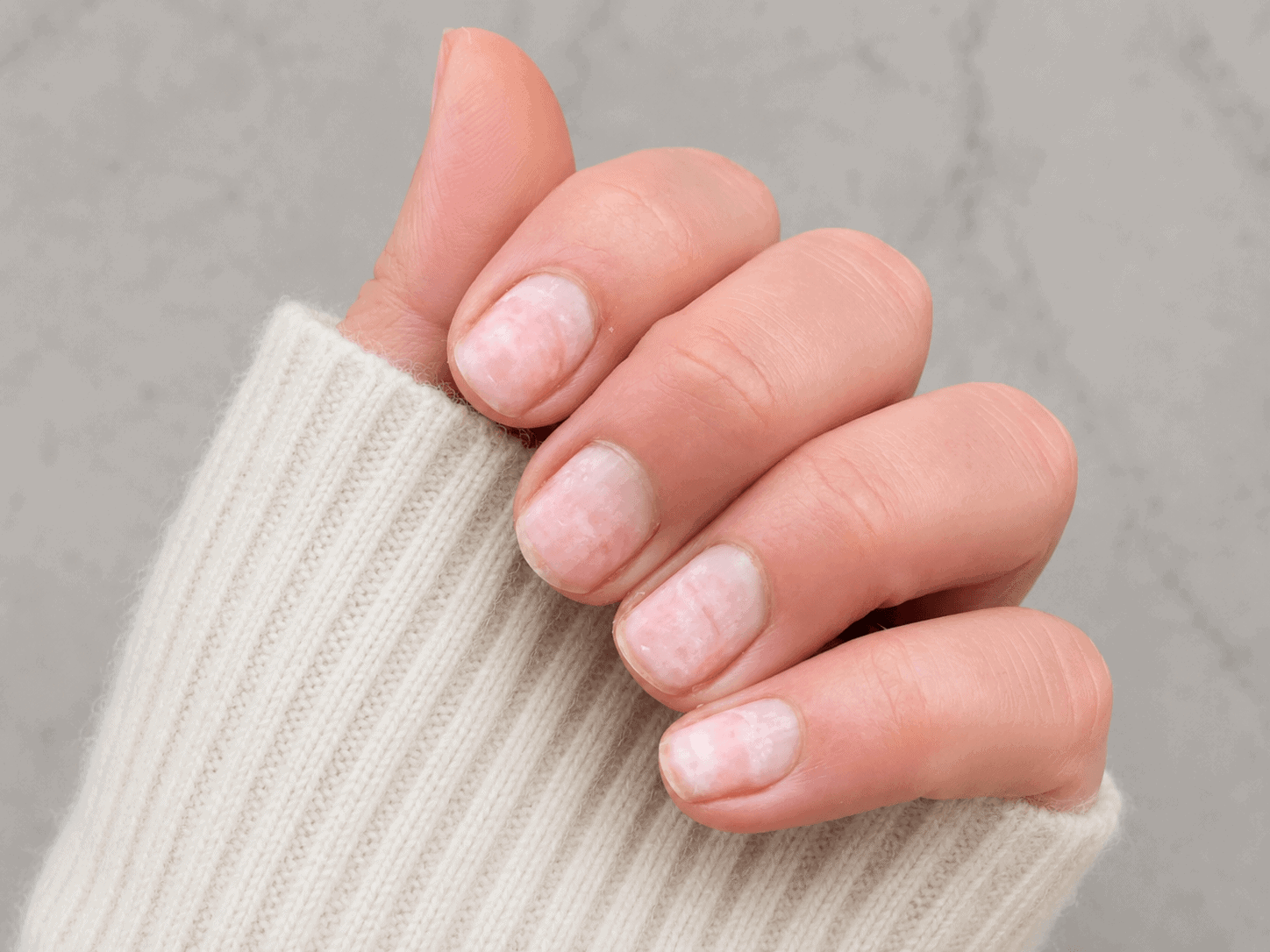
How to Strengthen Nails After Gel
What causes the damage, how long recovery actually takes, and the daily routine that gets your nails back to normal.
Read more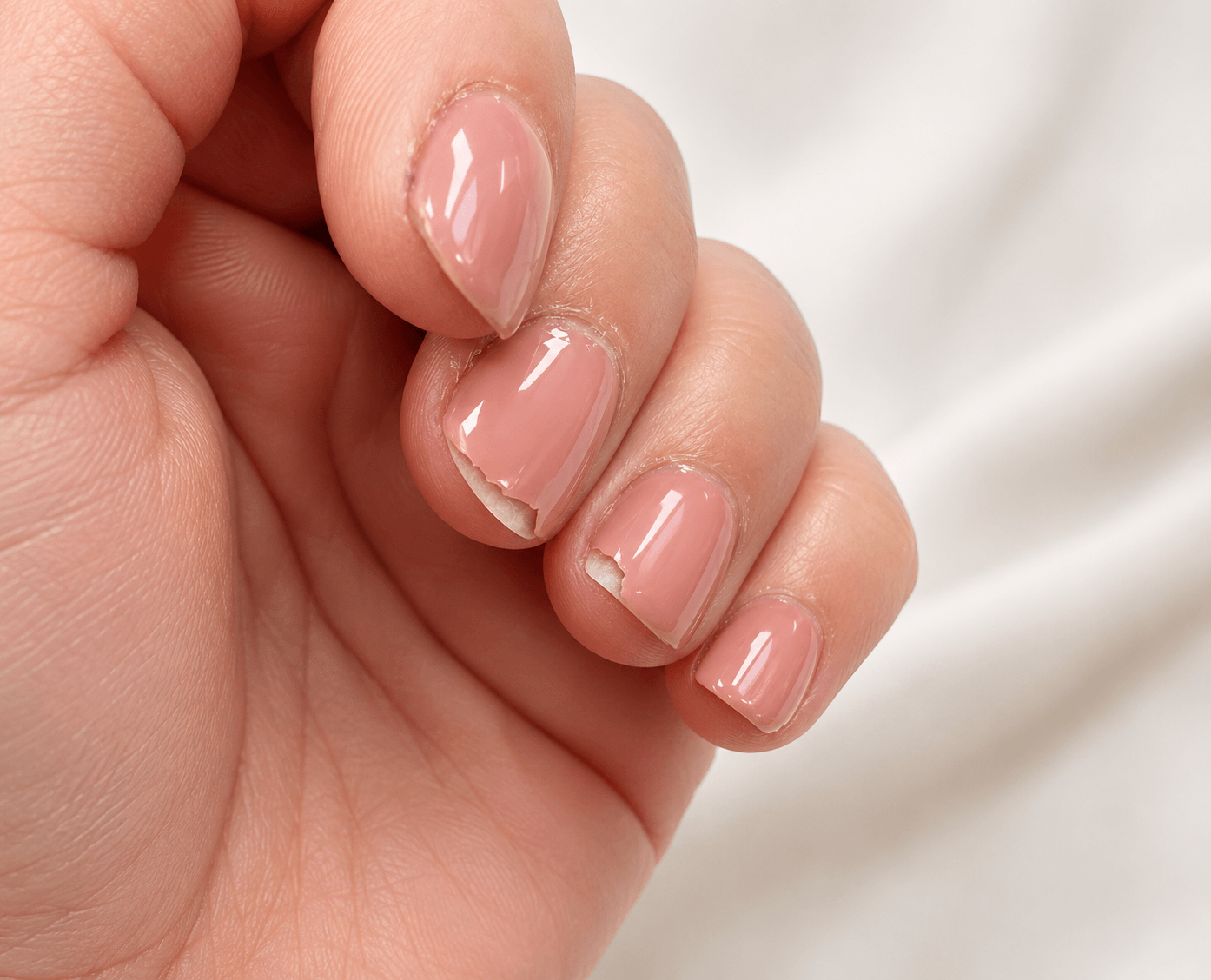
How to Stop Gel Nails from Peeling
The preparation, application and aftercare causes of early lifting and what to do about each one.
Read more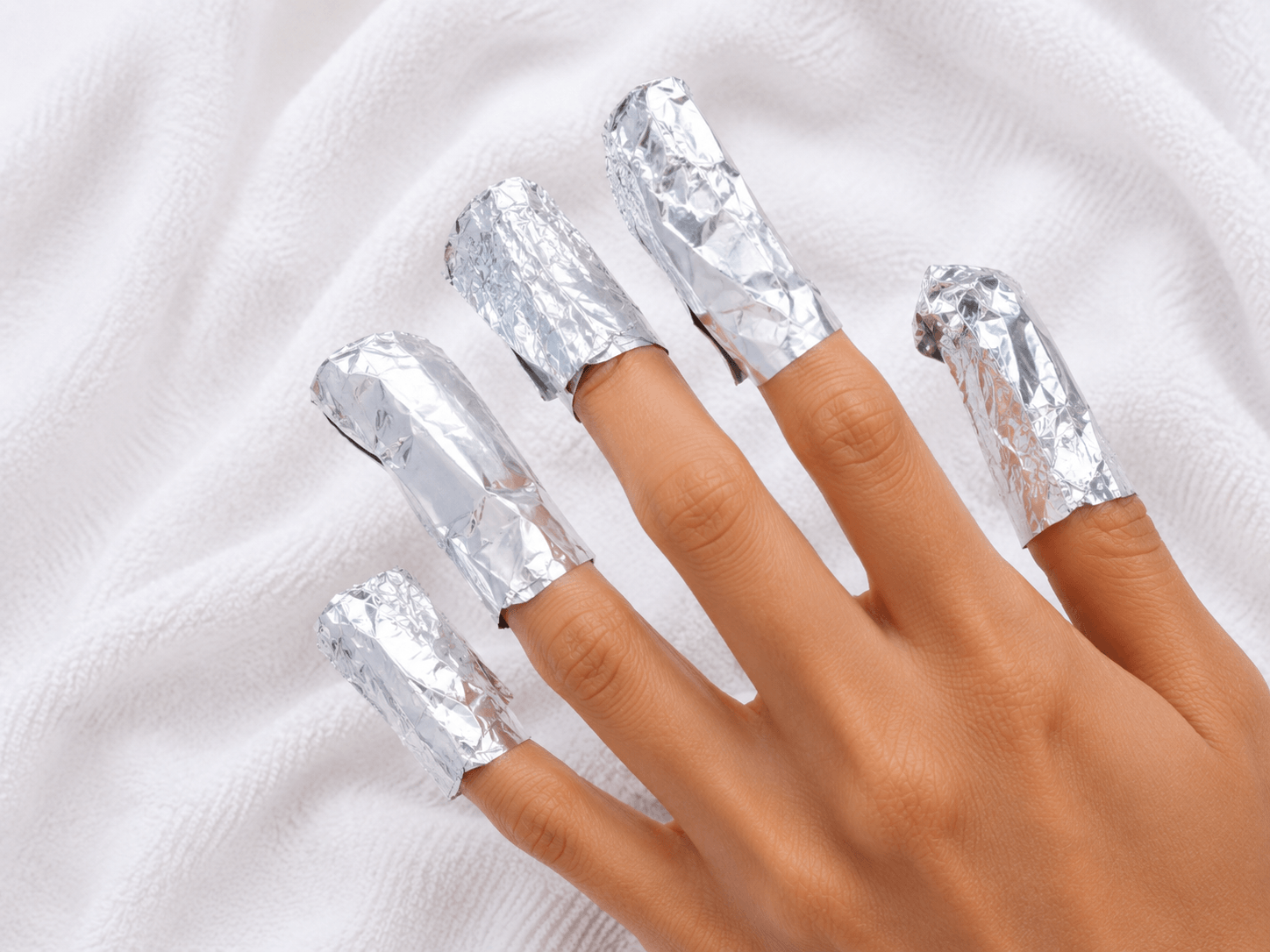
How to Remove Gel Nails at Home Without Damage
The safe method for removing gel at home, what to avoid and how to protect the nail plate throughout.
Read more
Can Children Have Gel Nails?
The permanent allergy risk most parents don’t know about, what the law says, and what to do instead.
Read more