
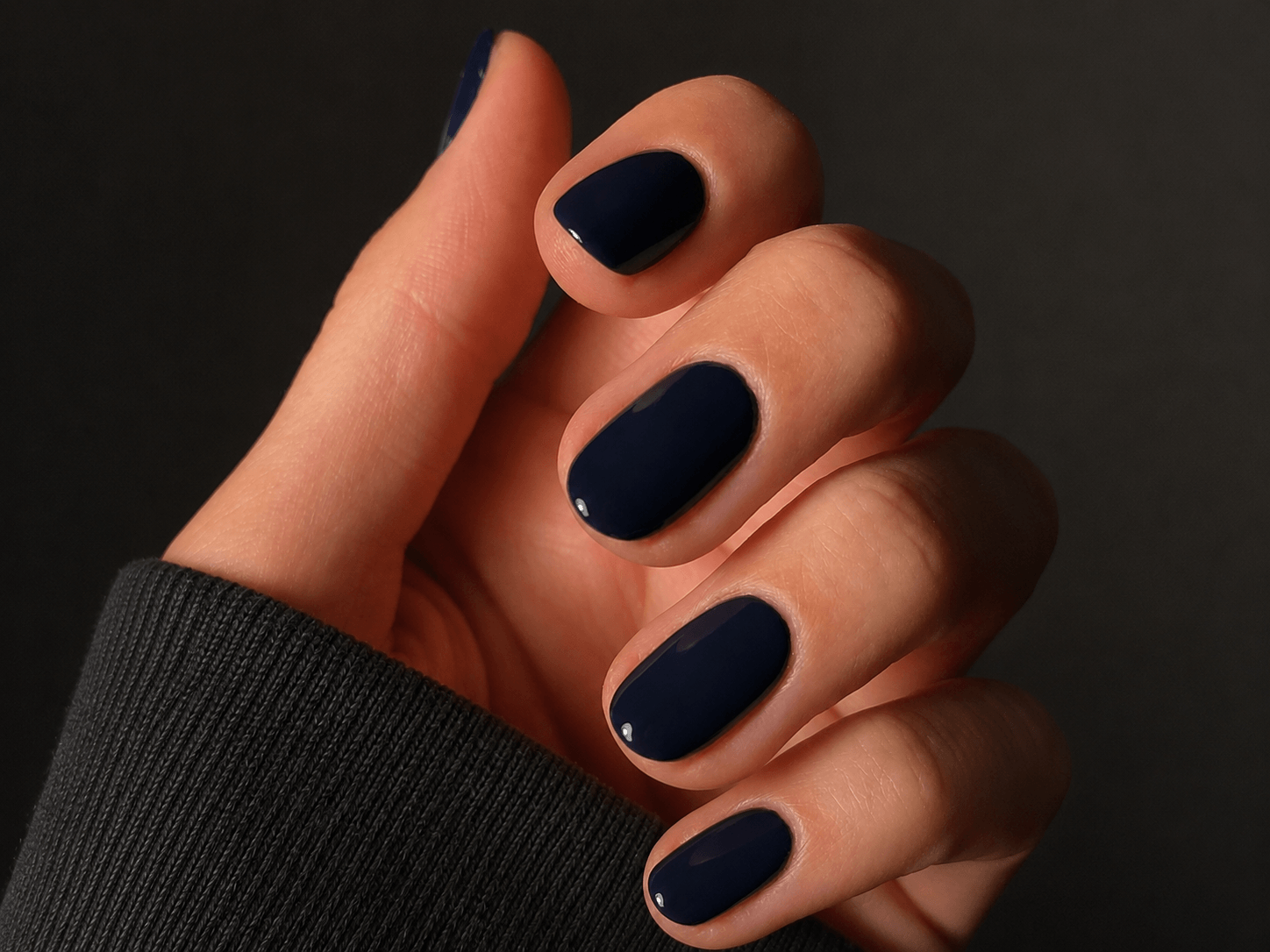
Gel Nails: The Complete Guide
Gel nails is one of those terms that sounds simple and isn’t. Clients come in asking for gel and mean four or five different things. Technicians use the terms interchangeably in ways that add to the confusion. This guide covers what each type actually is, how they differ, and how to work out which one suits you.
What gel nails actually means
Gel nails is an umbrella term for any nail product that cures under a UV or LED lamp. Under that umbrella sits gel polish, hard gel, builder gel and BIAB, plus brand-specific names like Shellac, Gelish and OPI gel colours that refer to particular products within the broader category. They are not all the same thing, and they don’t all perform the same way.
The simplest distinction is between soft gel and hard gel. Soft gels are flexible, applied as a colour coating, and can be soaked off with acetone. Hard gels are rigid, used to build length and structure, and must be filed off rather than soaked. Most clients asking for a gel manicure want soft gel. Most clients asking to grow their nails or add structure want something in the builder gel category.
Gel polish
Standard gel polish is a soft gel applied like regular nail polish, two or three thin coats cured under a lamp between each one. It doesn’t add structure or strength to the nail underneath. What it does is provide a chip-resistant, high-shine finish that lasts significantly longer than regular polish.
This is the most common gel service in UK salons and what most people mean when they book a gel manicure. Having worked across salons in London and Nottingham and spoken to colleagues working in shops across the UK, the brands that come up consistently are OPI, Gelish and CND. Not every salon stocks all three, but between them they appear on almost every professional shelf.
It suits clients with reasonably strong natural nails who want colour and longevity without adding bulk or structure.
Hard gel
Hard gel is a rigid product used to build nail extensions or reinforce natural nails that need significant structural support. Unlike gel polish or BIAB, hard gel cannot be soaked off with acetone. Removal requires filing, which makes it more involved and requires a skilled hand to avoid reaching the natural nail.
Hard gel is not widely used in UK salons. In my experience, clients who want dramatic length are better served by acrylic. Acrylic is stronger at length, easier to shape, and can be removed with acetone rather than requiring filing, which makes the removal process less damaging to the natural nail underneath.
Builder gel and BIAB
Builder gel sits between gel polish and hard gel in terms of thickness and structure. It adds an overlay to the natural nail that strengthens without the rigidity of hard gel, moves with the nail rather than against it, and can be soaked off with acetone.
BIAB, which stands for Builder In A Bottle, is the most recognised version of builder gel in the UK. It was invented by nail technician Daisy Kalnina and produced by The GelBottle Inc. Other brands make their own builder gels under different names. Not all builder gels are BIAB, but they work on the same principle.
Builder gel is the format I’d recommend most readily to clients who want their nails to grow, whose gel polish lifts early, or whose nails break before they reach any real length.
Shellac
Shellac is a brand name, not a product category. It is a hybrid gel polish patented by nail brand CND, combining elements of regular polish and gel in a thinner formula than standard gel polish. It cures under UV light, can be removed with acetone, and is known for an exceptionally glossy finish.
One practical advantage of Shellac over heavier gel formats is removal. Because the formula is thinner and more flexible than a full gel, it tends to come off more cleanly without the same risk of nail damage that comes from removing thicker products. For clients who are cautious about nail health but still want a durable, high-shine result, Shellac sits in a useful middle ground.
How long each type lasts
Gel polish lasts two to three weeks. Hard gel and BIAB last three to four weeks. Shellac typically lasts around two weeks, occasionally stretching to three with good aftercare. At-home gel applications of any kind last less than their professional equivalents because of differences in preparation, product quality and lamp strength.
How you treat your nails between appointments matters as much as the product. Cuticle oil daily, rubber gloves for washing up, and avoiding using nails as tools all make a meaningful difference to wear time regardless of which type of gel you choose. For the full breakdown on aftercare and preparation, the how long do gel nails last guide covers this in detail.
| Gel polish | Shellac | BIAB | Hard gel | |
|---|---|---|---|---|
| Wear time | 2 to 3 weeks | 2 weeks | 3 to 4 weeks | 3 to 4 weeks |
| Adds structure | No | No | Yes | Yes |
| Removal | Acetone soak | Acetone soak | Acetone soak | Filing only |
| Thickness | Thin | Very thin | Medium overlay | Thick |
| Extensions | No | No | No | Yes |
| Best for | Healthy nails, colour and shine | Easy removal, glossy finish | Weak or growing nails | Significant length |
Which one is right for you
Gel polish
For healthy nails that want colour and shine
- Your nails are already strong and healthy
- You mainly want colour and a glossy finish
- You want straightforward removal
BIAB
For weak, flexible or growing nails
- Your gel polish lifts before two weeks
- Your nails break before they reach length
- You have a physical or hands-on lifestyle
Shellac
For a glossy finish with easy removal
- You want a high-gloss finish without bulk
- You want quick removal with minimal nail impact
- You’re booking a pedicure before a holiday
Acrylic
For significant length and extensions
- You want dramatic length beyond the natural nail
- You want maximum structural strength at length
- Hard gel removal risks concern you
What to know about safety
Two things are worth being aware of before you book.
UV exposure
UV exposure during lamp curing is a genuine consideration. LED lamps are now the professional standard and produce lower UV exposure than traditional UV lamps while curing faster. If you have concerns, applying sunscreen to your hands before curing or wearing fingerless UV protective gloves reduces exposure further.
HEMA allergy
HEMA is a chemical used in many gel polish formulas and the most common allergen in gel products. Once sensitised, the allergy is typically permanent. If you have sensitive skin or have reacted to gel products before, ask your technician whether HEMA-free formulations are available.
Related articles
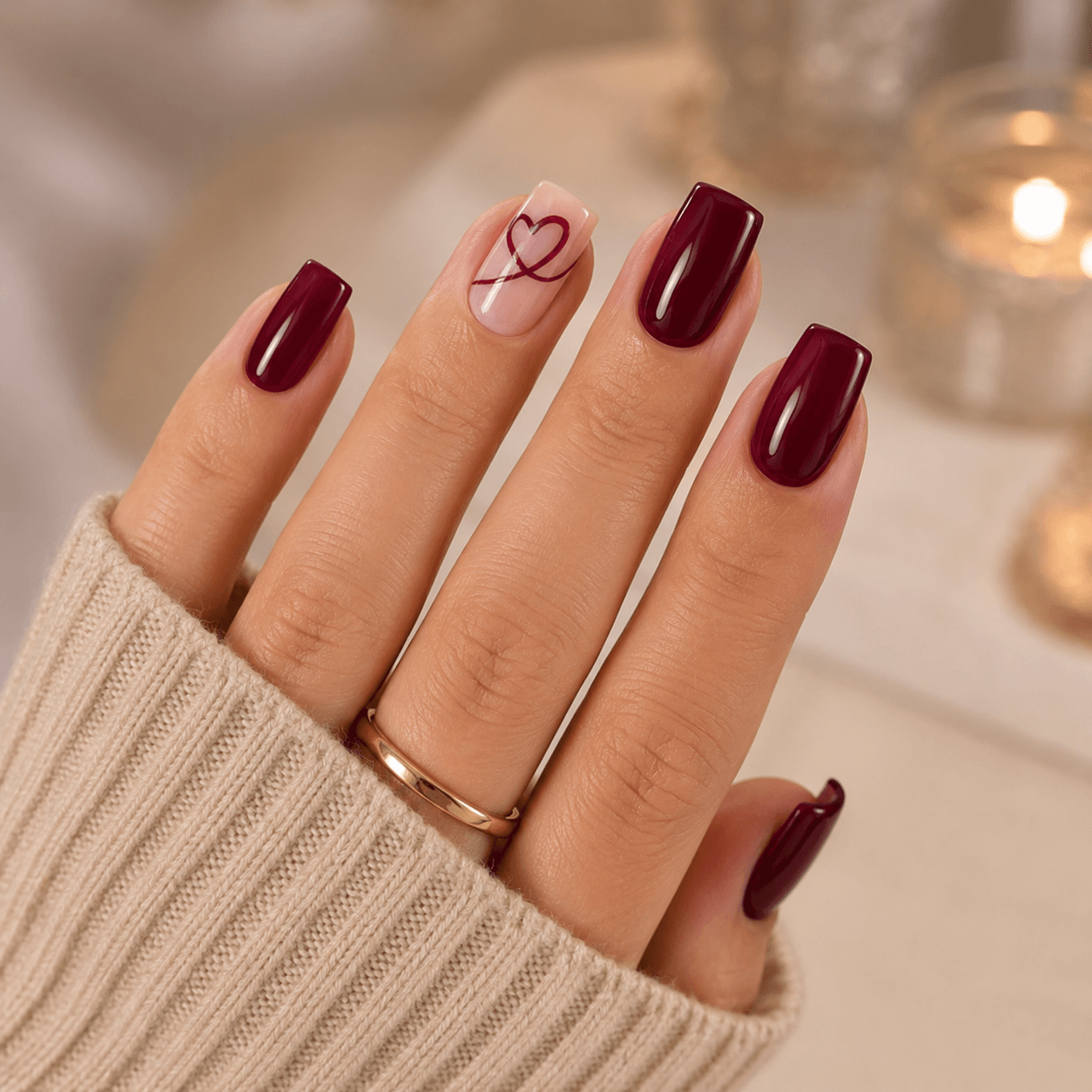
How Long Do Gel Nails Last?
Why some sets last two weeks and others last four and what preparation, aftercare and product choice actually determine.
Read more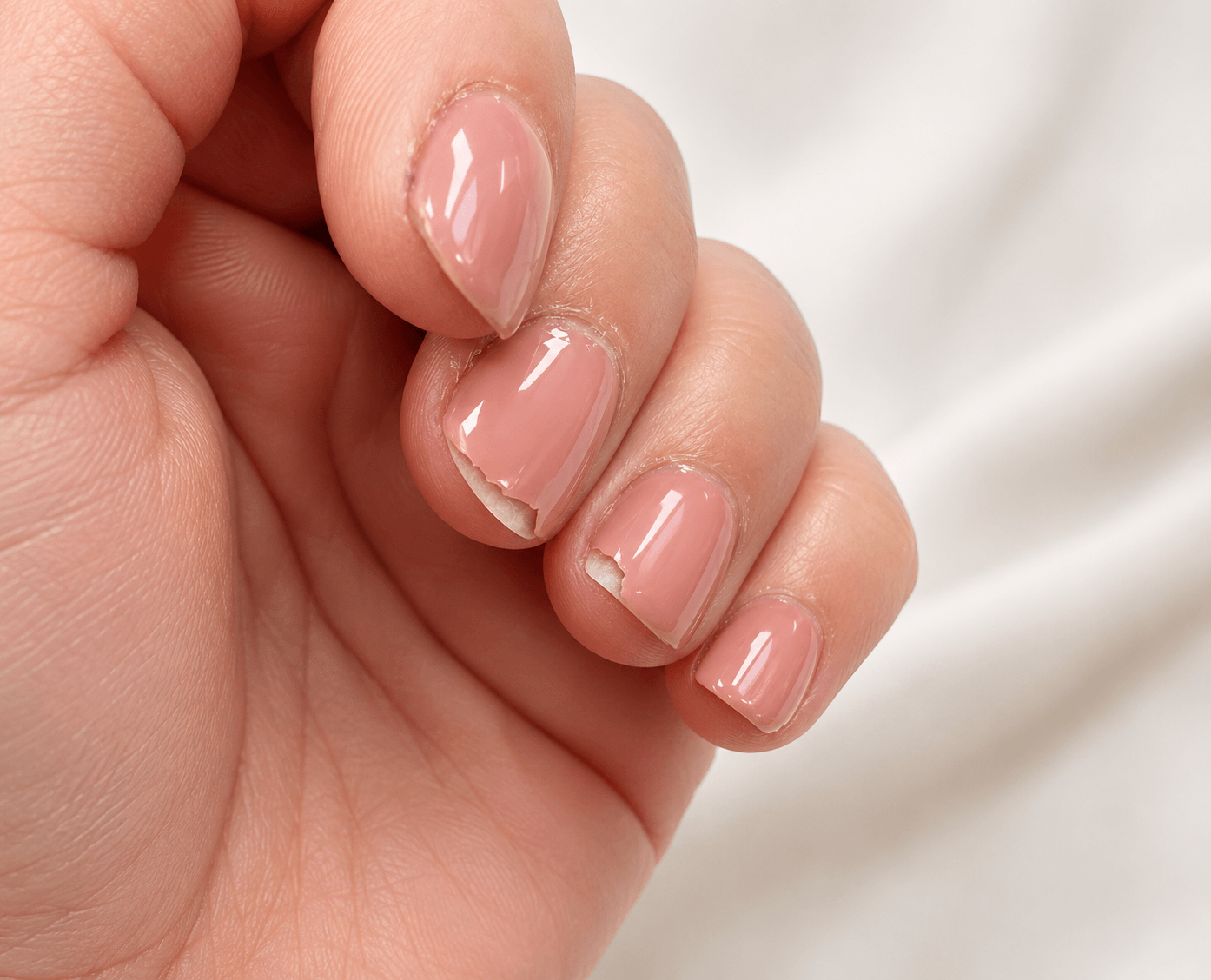
How to Stop Gel Nails from Peeling
The preparation, application and aftercare causes of early lifting and what to do about each one.
Read more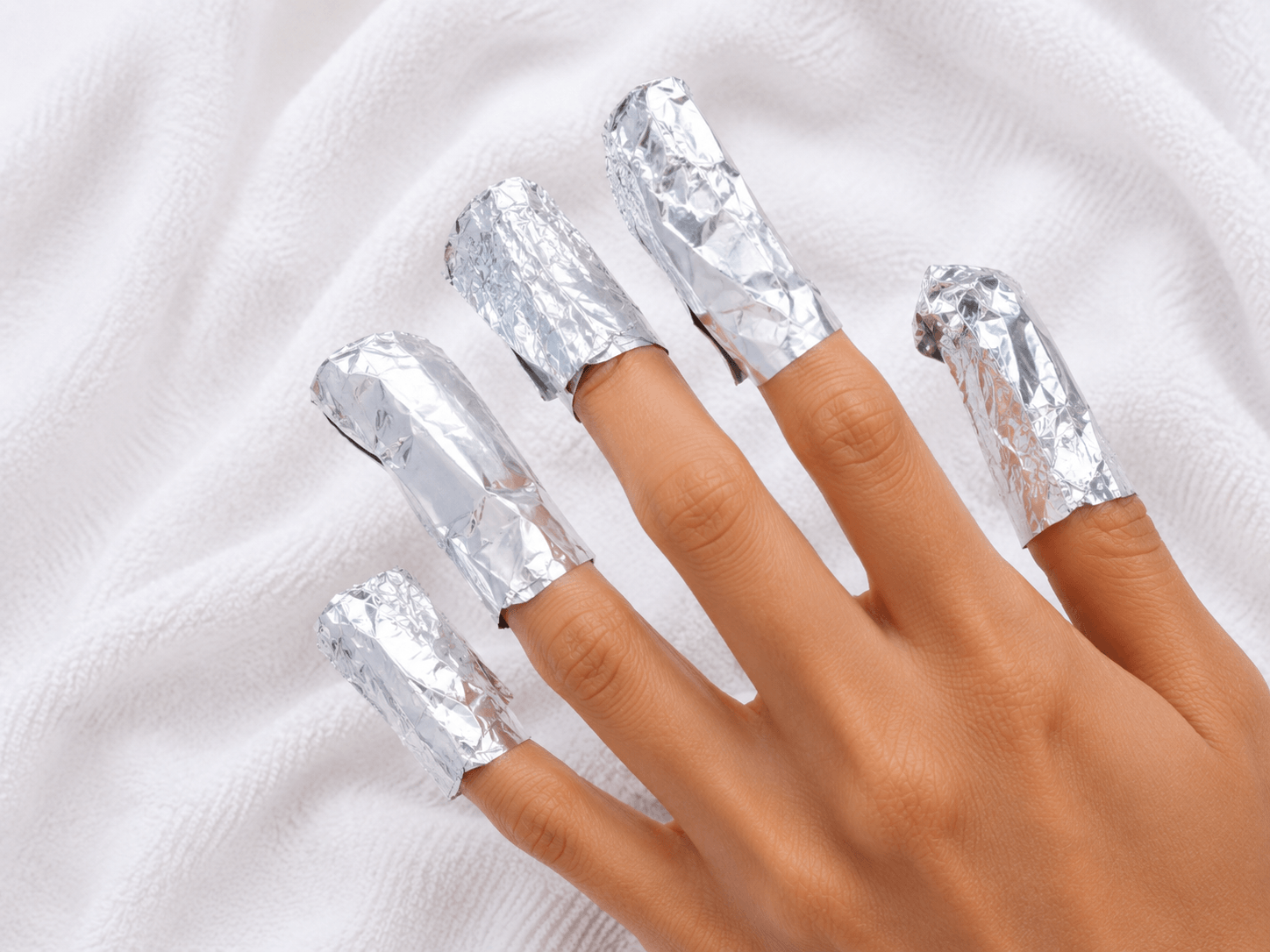
How to Remove Gel Nails at Home Without Damage
The safe method for removing gel at home, what to avoid and how to protect the nail plate throughout.
Read more
Is Gel Nail Polish Bad for Your Nails?
What the research actually says, what causes real damage and how to wear gel without the long-term downsides.
Read more