
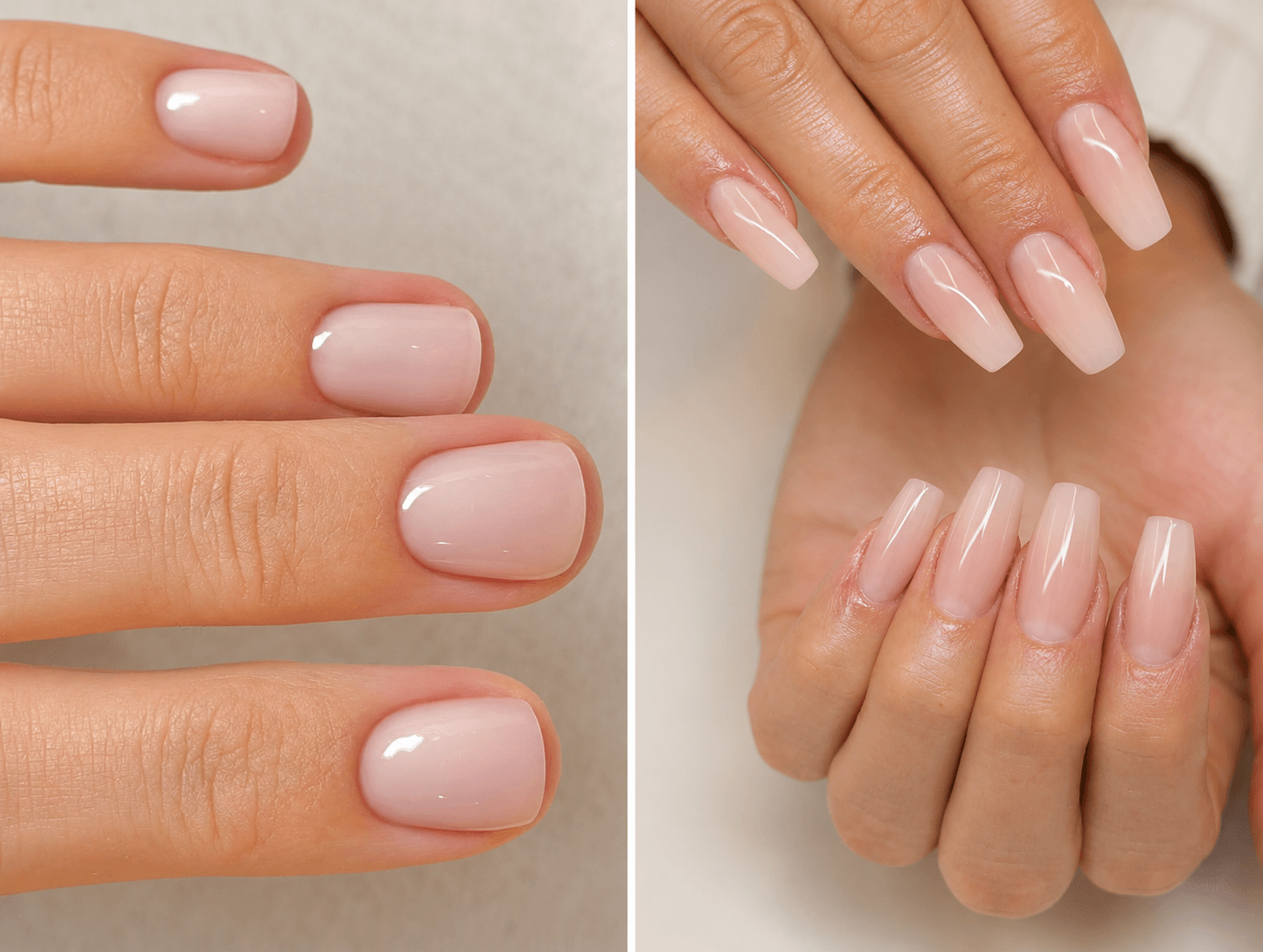
Gel Nails vs Acrylic: Which Is Right for You
A client sat down last week with her phone open to a photo and asked me outright. Gel or acrylic, which one is actually better. The honest answer is neither, because they’re built to do different jobs. The more useful answer is which one is better for her, and that depends on a handful of specific things.
The Basic Difference
Gel is a polish or builder product that cures under a UV or LED lamp. It comes in soft formats like standard gel polish and Shellac, and thicker formats like BIAB and builder gel. Acrylic is a liquid monomer mixed with a powder polymer, shaped while workable, and left to air-harden without any lamp at all.
That single difference, lamp versus no lamp, explains most of what follows. Gel is flexible because the cured product moves slightly with the natural nail. Acrylic is rigid because it hardens into a fixed shell.
Which Lasts Longer
Both need attention every two to three weeks, depending on how quickly your nails grow, but what happens at that appointment is different. Acrylic is maintained through infills. The grown-out section gets filled and blended into the existing set, so the same nails can be kept going for six to eight weeks before a full new set is needed.
Gel polish doesn’t get infilled the same way. As your nails grow, a gap appears between the cuticle and where the colour starts, and by that point the polish has commonly also started chipping or wearing at the tips. Rather than blending new product into the old, gel polish is removed completely and reapplied fresh.
If you want fewer full removals overall, acrylic stretches further between starting from scratch. If you’re happy with a clean slate every appointment, gel doesn’t lose anything by not having an infill option.
Which Looks More Natural
Gel generally looks and feels more natural than acrylic. It’s a thinner, more flexible product with a naturally glossy finish, so it moves with your real nail rather than sitting rigidly on top of it. The result is lightweight and close to how a healthy natural nail behaves.
Acrylic is rigid by design. Even a well-applied set has a harder, more obviously artificial feel underneath the polish, because the product itself doesn’t flex the way gel does. Skilled application can make acrylic look clean and well-shaped, but it won’t replicate the lightweight, bendy quality of gel.
If natural look and feel matters more to you than maximum strength, gel is the format built for that.
Nail Health and Removal
This is where the two genuinely part ways. Acrylic requires the natural nail surface to be filed rough before it goes on, so the product has something to grip. That filing happens at every application and every infill. Gel and BIAB need far less surface preparation, sometimes none at all beyond a light buff.
Removal follows the same pattern. Gel soaks off cleanly with acetone in ten to fifteen minutes. Acrylic also soaks off with acetone, but takes longer, and some brands and formulas can’t be soaked off at all, requiring an e-file instead. That filing carries more risk to the natural nail underneath if it isn’t done carefully.
Neither format is inherently bad for your nails. What causes damage is rushed preparation, aggressive filing and forced removal, all of which are more common with acrylic simply because the product demands more from each of those steps. If your main concern is long-term nail health, the gel nails guide covers the full range of gel-category options in detail.
Cost
In the UK, a full set of gel typically costs £25 to £40, though prices vary noticeably depending on where you are. A salon in central London will usually charge more than one in a smaller town, sometimes considerably more. Acrylic runs slightly higher overall at £30 to £50, with the same regional spread. Infills usually cost £5 to £15 less than a brand new set, since less product and time is involved.
Worth knowing
If acrylic nails snap or lift on a few fingers between infills, repairing those individual nails adds to the infill price. If several nails need rebuilding at the same appointment, ask your technician to work out the total cost. At a certain point a full new set works out cheaper and gives you a cleaner result than patching up several damaged nails.
Time
Worth factoring into your diary. A full gel polish application, from prep to top coat, takes around 45 minutes to an hour. Because gel doesn’t infill, a full removal and reapplication together usually takes slightly longer, often an hour to an hour and a half if you’re starting fresh each time.
Acrylic is a longer appointment from the start. A full set takes around an hour to an hour and a half, sometimes more depending on the length and shape. Infills are quicker, generally forty five minutes to an hour, since only the regrowth area needs filling rather than building the whole nail again.
One seasonal note worth knowing is that in colder months, acrylic powder takes longer to settle and set on the nail, since the temperature slows the curing process. If you’re booking an acrylic appointment in winter, particularly a full set, it’s worth allowing a little extra time.
If you’re booking around a tight schedule, gel is the quicker option to fit into a lunch break. Acrylic, particularly a first full set, is worth booking when you’re not in a rush. That said, I’ve had clients split the appointment when time is tight, getting the acrylic structure and shape done first, then coming back another day for colour or a gel polish top.
UV Exposure
Worth knowing plainly. Gel cures under a UV or LED lamp, which means repeated exposure over years of regular appointments. Acrylic air-hardens with no lamp involved at all. If UV exposure is a concern for you specifically, acrylic removes that variable entirely. For gel, an LED lamp produces lower exposure than an older UV lamp, and applying sunscreen to your hands before curing reduces it further.
Which Is Right for You
If you want dramatic length, sculpted shapes or maximum durability and you’re comfortable with more involved removal, acrylic does that job better than anything else. The acrylic nails guide covers what it’s genuinely good for and what to watch out for.
If your priority is nail health, a more natural feel, or you simply want strong nails without committing to a heavier system, gel or BIAB is the better starting point.
There isn’t a universally correct answer here. There’s the answer that fits what you actually want from your nails, and a technician who tells you that honestly before you sit down is worth more than either product on its own.
Related articles
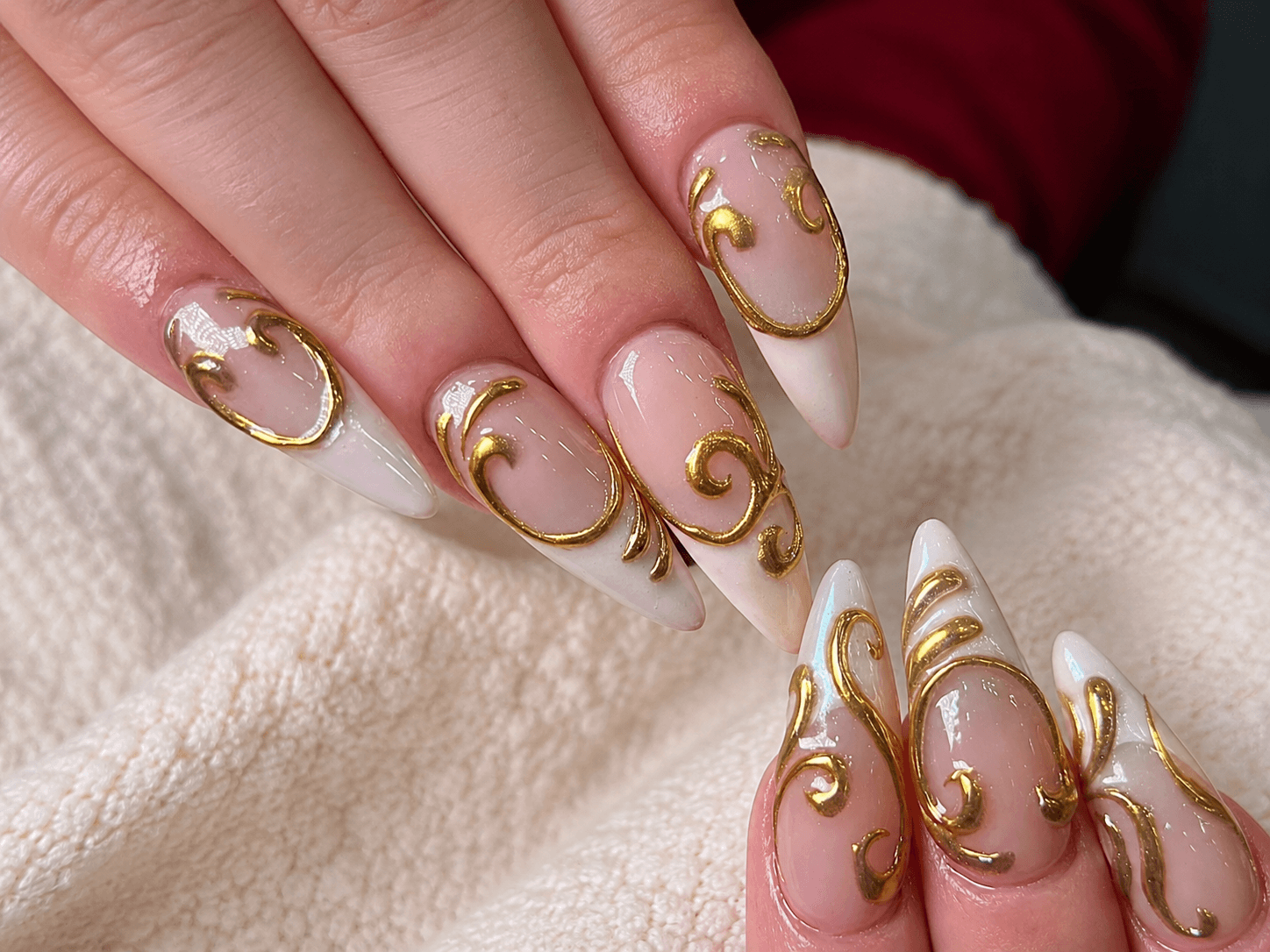
Acrylic Nails: The Honest Guide from a Nail Tech
What acrylics are genuinely good for, the real downsides, what to watch out for in the salon and who they actually suit.
Read more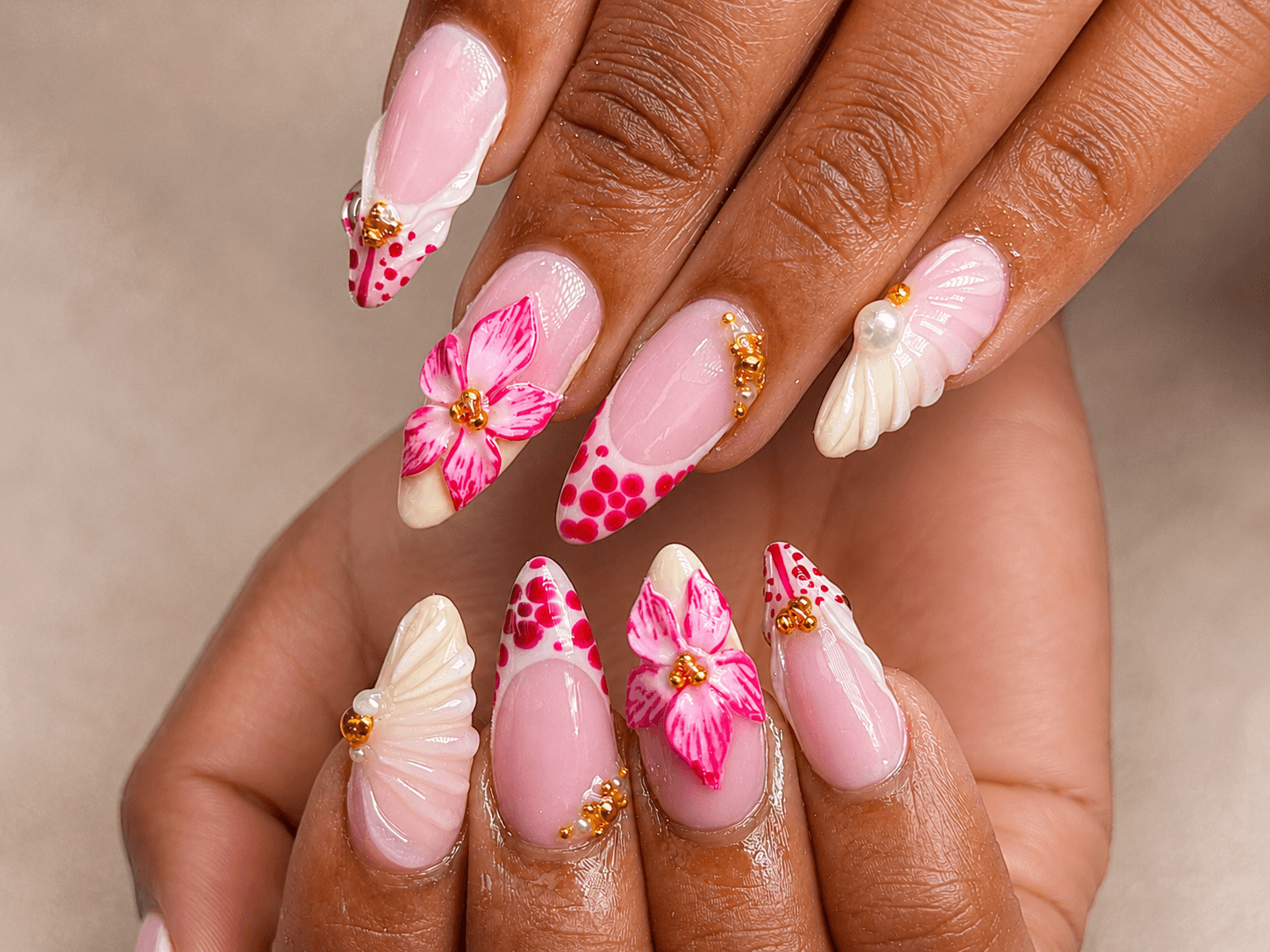
How Long Do Acrylic Nails Last? A Nail Tech Answers
The difference between infill intervals and how long you can keep the same set, and what shortens wear time.
Read more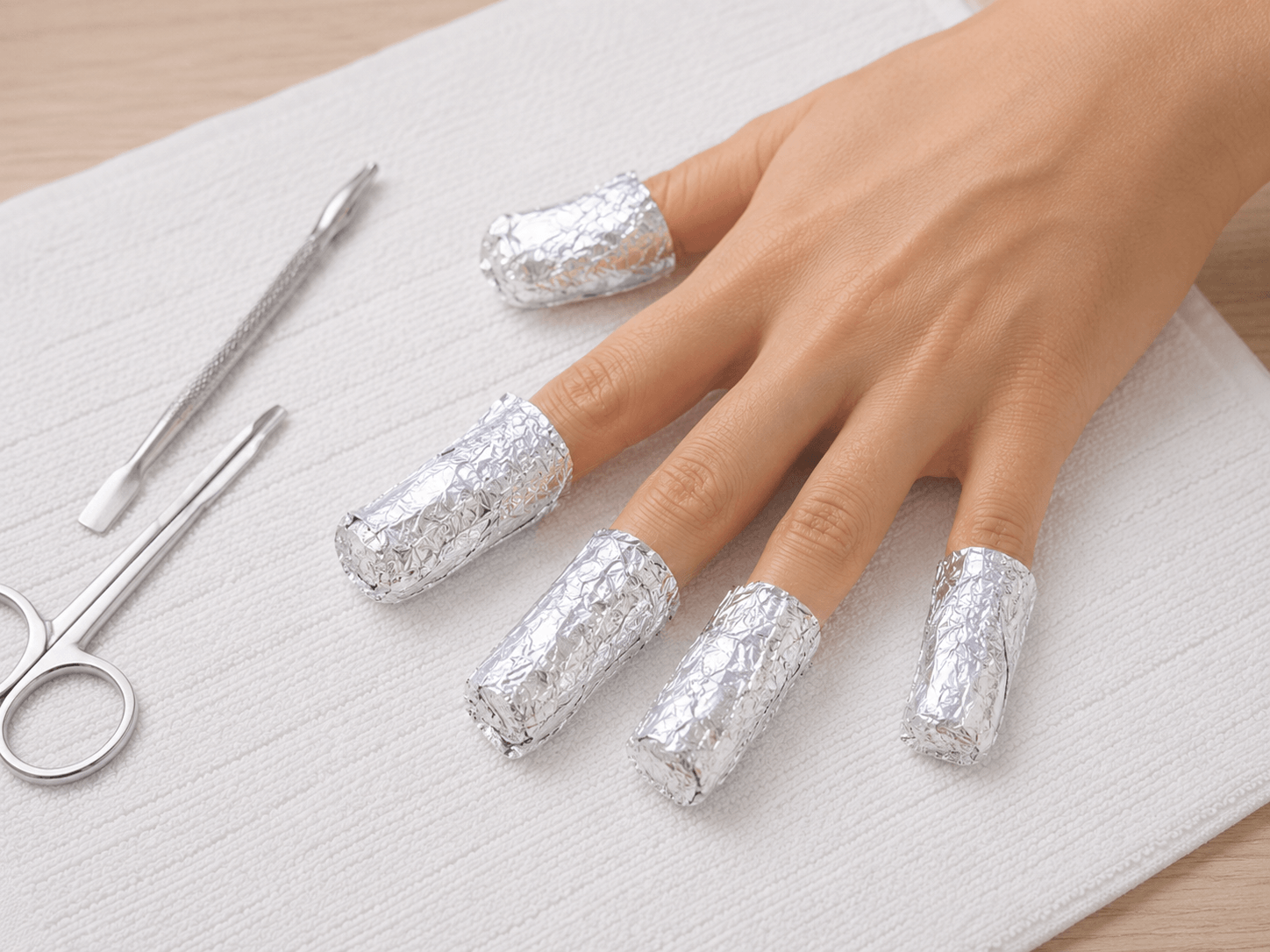
How to Remove Acrylic Nails at Home Safely
The right method, the right products and the steps that prevent thinning and ridging from rushed removal.
Read more