
Acrylic Nails: The Honest Guide from a Nail Tech
Acrylic nails have been around longer than most people realise. The chemistry behind them was developed in the 1950s, and despite decades of new formats arriving, gel polish, BIAB, builder gel, acrylics have never gone away. They still have a specific set of things they do better than anything else. They also have a specific set of downsides that don’t always get stated plainly. This is the version that does.
What Acrylic Nails Actually Are
Acrylics are created by combining a liquid monomer with a powder polymer. When the two are mixed, they form a mouldable paste that bonds to the natural nail and hardens with air exposure. No lamp required. The technician shapes the product while it’s still workable and it sets within seconds.
This makes acrylics structurally different to gel and BIAB, which cure under a UV or LED lamp. The air-hardening chemistry produces a rigid, durable finish that holds its shape reliably at significant lengths, which is why acrylics became the dominant format for extensions and dramatic nail shapes in the first place.
What Acrylics Are Genuinely Good For
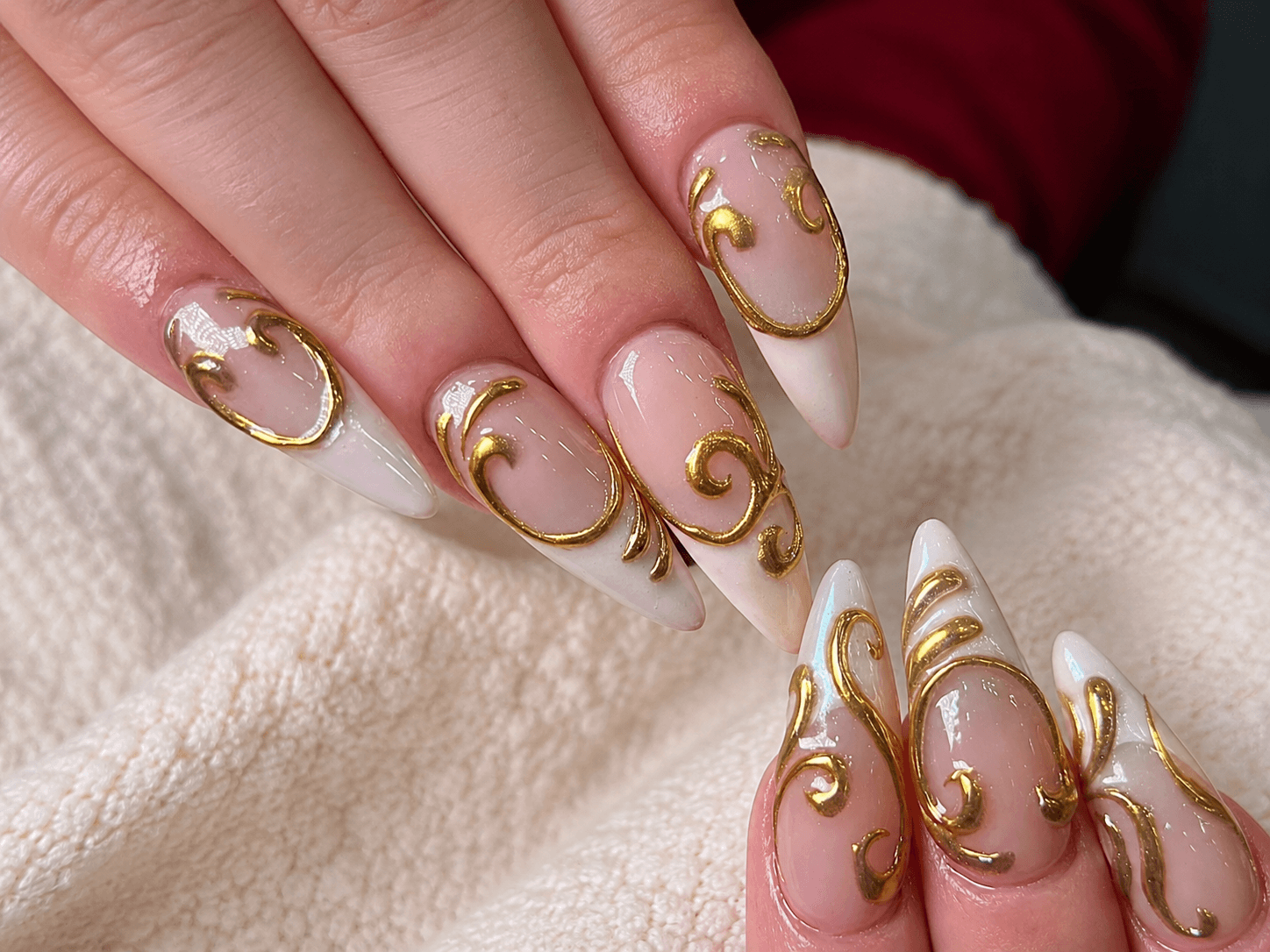
Length is where acrylics have no equal. For clients who want coffin, stiletto, flare or any dramatic shape at real length, acrylic provides the structural rigidity that gel systems cannot match. Builder gel and BIAB are excellent for overlays and modest extensions. They are not the right tool for building nails well past the fingertip.
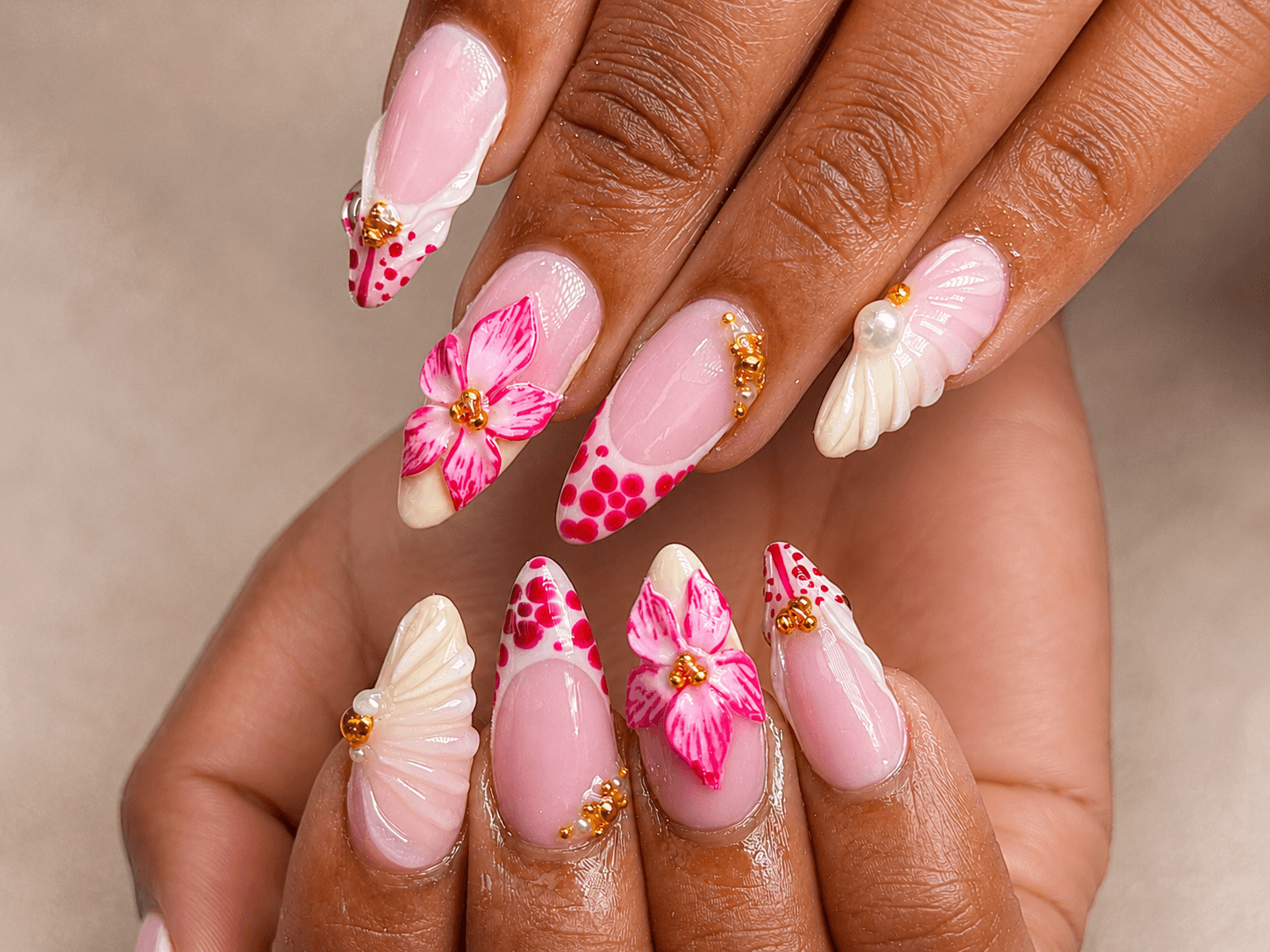
Three-dimensional nail art and encapsulated designs also work best on acrylic, because the material holds its shape during sculpting in a way that softer gel systems don’t.
There’s one more use case that rarely gets mentioned. Clients with very oily nail beds, where gel and BIAB consistently lift within days regardless of preparation, sometimes find that acrylic adheres better. The chemistry bonds differently and can produce more reliable results in these specific cases.
The Honest Downsides
The natural nail surface has to be filed rough before acrylic goes on, to give the product something to grip. That filing thins the nail plate. It happens at every application and every infill. Over time, with repeated cycles, the cumulative effect is noticeable. Nails become thinner, more flexible, and more vulnerable underneath.
Removal, done incorrectly, compounds this. Peeling or forcing acrylic off takes layers of natural nail plate with it. Even done correctly, soaking and filing the natural nail down to nothing every few months takes a toll. The recovery timeline after removing a long-term acrylic habit is measured in months, not weeks.
Acrylate allergy — worth understanding before you start
Sensitisation occurs when uncured acrylic product makes contact with skin during application. Once sensitised, the allergy is typically permanent and extends to other products in the same chemical family, including some gel polishes. The British Association of Dermatologists has issued guidance on this specifically. The risk is manageable with a skilled technician who keeps product off the surrounding skin throughout application, but it exists and it’s worth knowing about before you commit.
How Acrylics Compare to Gel and BIAB
Gel polish is a colour coating with no structural element. BIAB and builder gel add structure and strength while remaining flexible, soak off with acetone, and require minimal or no filing of the natural nail surface before application. For most clients who want healthy nails over time, BIAB is the gentler long-term choice.
Acrylics are rigid, require surface filing and, depending on the brand and formula used, may need e-file removal rather than acetone. The structural strength they offer at length is genuinely unmatched, but that strength comes with a trade-off for the natural nail underneath.
| Gel polish | BIAB / Builder gel | Acrylic | |
|---|---|---|---|
| Adds structure | No | Yes | Yes |
| Suitable for length | No | Modest only | Yes — best option |
| Natural nail filing | Minimal | Minimal | Required every time |
| Removal | Acetone soak | Acetone soak | Acetone or e-file |
| Nail health impact | Low | Low | Higher over time |
| Wear time | 2–3 weeks | 3–4 weeks | 3–4 weeks |
For a full comparison of all gel formats, the gel nails guide covers how each one sits relative to the others.
What to Watch Out For in the Salon
Application speed is a useful indicator. A full set of acrylic nails done properly takes time. An express set that cuts preparation corners, the dehydration, the priming, the careful application away from the cuticle, will lift faster and carry higher risk. Quality preparation is not visible once the product is on. That’s the part of the appointment that most clients can’t see and most rushing happens in.
Ask what product the salon uses and how it’s removed. Some acrylic formulas cannot be soaked off with acetone and require complete filing, which means the removal method depends on the specific brand rather than just the category. Knowing this before you commit avoids an unpleasant surprise at removal time.
Removal
Acrylic nails remove with acetone or e-file depending on the formula used. Acetone soak-off is the gentler method when it’s available. Filing should always leave a protective layer above the natural nail rather than filing all the way down. For a full step-by-step on safe removal, the how to remove acrylic nails guide covers the process in detail.
Never peel or force the acrylic off
The damage from improper removal is significant and cumulative. Peeling takes layers of natural nail plate with it and the thinning that results doesn’t recover quickly. File a lifted edge smooth and book a removal appointment rather than forcing it.
Who Acrylics Are Right For
Acrylics suit clients who want dramatic length, sculpted shapes or three-dimensional nail art that softer gel systems cannot structurally support. They are a specific tool for specific goals — not the right starting point for someone primarily concerned about nail health.
Acrylics suit you if…
- You want coffin, stiletto, flare or dramatic length
- You want three-dimensional or encapsulated nail art
- Gel and BIAB consistently lift on you regardless of preparation
- You understand and accept the nail health trade-off
Consider BIAB instead if…
- Your main goal is stronger, healthier natural nails
- You want reliable wear time without nail plate damage
- You want modest length or a natural nail overlay
- You want easier, gentler removal at every appointment
For more on the gentler alternative, the what is BIAB nails guide covers builder gel in detail. For a full comparison of all nail formats, the gel nails guide covers the complete picture.
Related articles
How Long Do Acrylic Nails Last? A Nail Tech Answers
The difference between infill intervals and how long you can keep the same set, and what shortens wear time.
Read more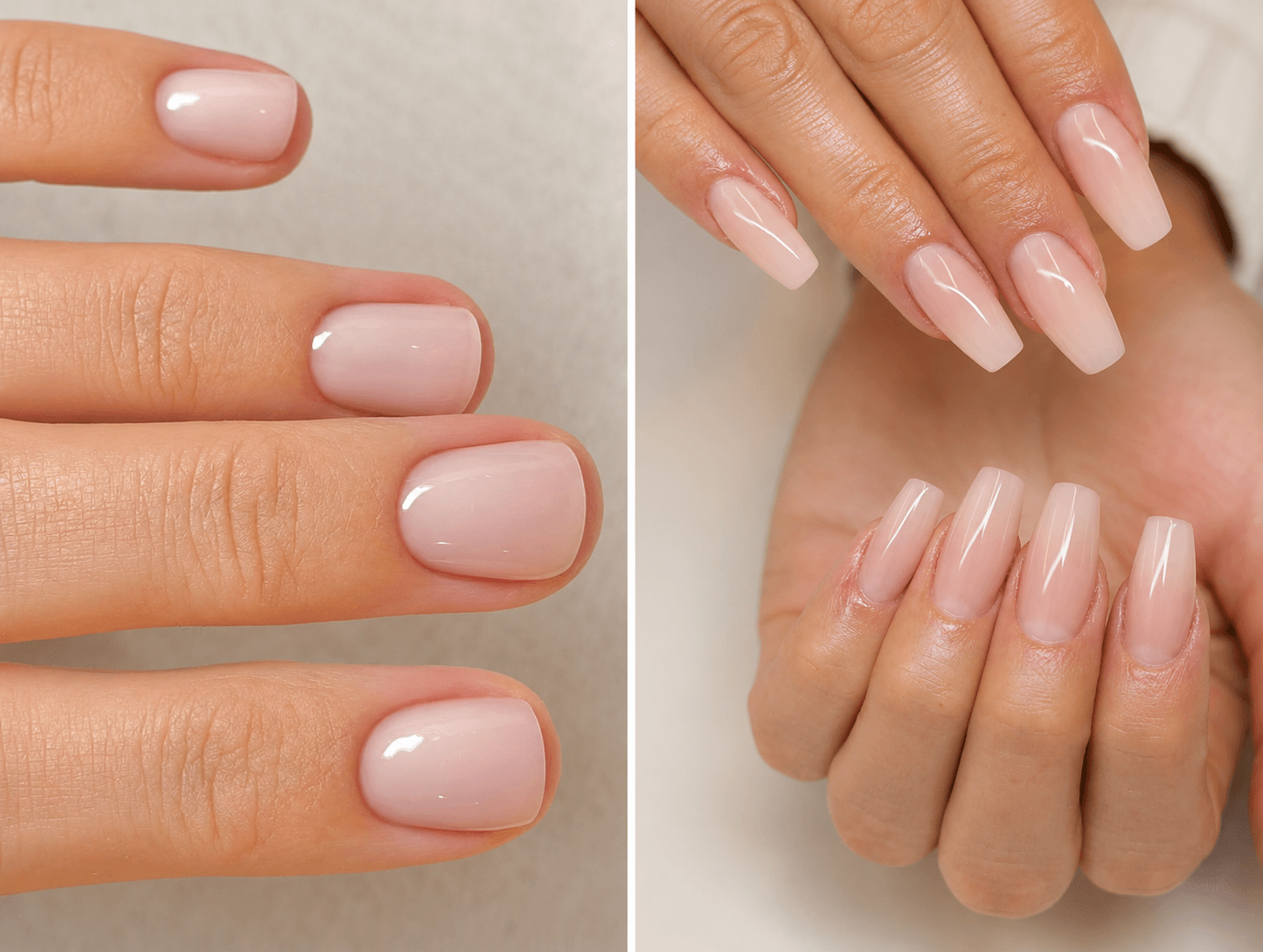
Gel Nails vs Acrylic: Which Is Right for You
How the two formats compare on longevity, natural look, nail health, cost, time and UV exposure.
Read more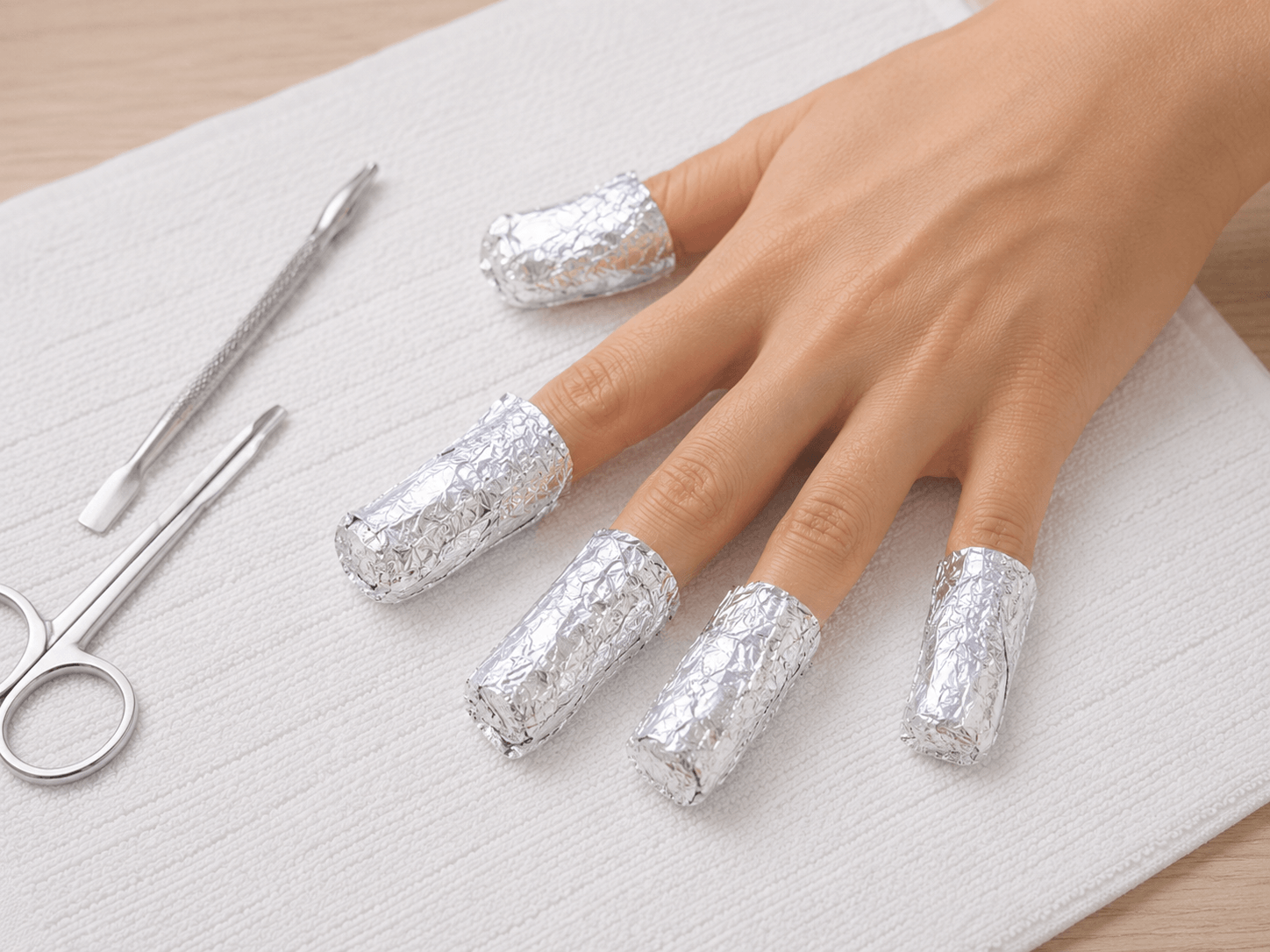
How to Remove Acrylic Nails at Home Safely
The right method, the right products and the steps that prevent thinning and ridging from rushed removal.
Read more