
Builder Gel Nails: Everything You Need to Know
Builder gel is one of those terms that gets used loosely in salons and online, sometimes interchangeably with BIAB, sometimes with hard gel, sometimes with gel polish. They are not all the same thing, and understanding the difference matters if you want to make a confident decision about what to book.
What Builder Gel Actually Is
Builder gel isn’t one formula. It’s a category, and different brands engineer it differently depending on what they’re trying to achieve. Some are designed to self-level as they cure, spreading evenly without much shaping needed. Others are deliberately thick and slow-setting, giving the technician more time to sculpt before it sets, which matters more for extensions than for a simple overlay.
What unites the category is the cure method and the soak-off principle. It cures under a UV or LED lamp, and the formula is built to dissolve in acetone rather than requiring filing, which is what separates soak-off builder gel from hard gel. Beyond that, viscosity, self-levelling behaviour and pigment options vary considerably from one brand to the next, which is why two builder gels can feel completely different to apply even though they’re doing the same structural job.
Builder Gel vs Gel Polish
Gel polish is a colour coating. It sits on top of the natural nail, adds shine and longevity, but doesn’t change what’s underneath. If your nails are weak or flexible, gel polish reflects that rather than addressing it.
The difference is film thickness. Gel polish is thin, enough for colour and shine but not enough to resist bending. Builder gel is thicker, which gives it load-bearing capacity. The nail can flex without snapping because the gel absorbs the stress instead of passing it straight through. That thickness is also why builder gel outlasts gel polish, since a thin film fatigues and lifts faster under everyday wear.
| Gel Polish | Builder Gel | |
|---|---|---|
| Purpose | Colour and shine | Structure and strength |
| Nail reinforcement | None | Yes — adds apex and overlay |
| Helps weak nails | No | Yes |
| Typical wear time | 2–3 weeks | 3–4 weeks |
Builder Gel vs BIAB
BIAB, which stands for Builder In A Bottle, is a specific product made by The GelBottle Inc. It is a bottle-format soak-off builder gel, applied like gel polish, and it is the product that introduced most UK clients to the builder gel category.
Not all builder gels are BIAB. Other brands make their own versions, some in bottles and some in pots. Pot-format builder gels require a brush and more sculpting skill than a bottle format. They give the technician more control over shape and apex placement, which is why they are often preferred for clients wanting more structure or modest length. BIAB and bottle-format builder gels are more straightforward to apply consistently.
For a full breakdown of BIAB specifically, the What is BIAB nails guide covers it in detail.
What Builder Gel Is Used For
The most common use I see in the salon is a natural nail overlay. A thin layer of builder gel applied over the natural nail, no extensions, no added length, just a protective shell that lets the nail grow without snapping. For clients who have never managed to get their nails past a certain length, this is usually the answer.
Builder gel is also used for short to moderate extensions, nail repairs on broken nails, and as a strengthening base before gel colour. It is not the right format for dramatic length. For clients who want significant extensions, acrylic remains the more appropriate choice.
Natural nail overlay
A protective shell over the natural nail that stops it flexing to the point of breaking. No extensions, no added length.
Short to moderate extensions
Builder gel can add modest length beyond the natural nail, though it is not suited to significant or dramatic extensions.
Nail repairs
Builder gel bonds reliably to a broken nail and holds the repair in place until the nail has grown through.
Strengthening base for gel colour
Applied before gel polish, builder gel gives the nail plate a stronger foundation before any colour goes on.
How It’s Applied
Preparation is the same as for any gel service. Clean, dehydrated nails with the cuticle area properly cleared. The builder gel goes on after a base coat, applied in a controlled bead and shaped into the apex before curing. Some formulas require a flash cure to lock the shape before a full cure. The gel should sit away from the surrounding skin throughout. Skin contact during application causes lifting and can contribute to sensitisation over time.
Worth knowing before you sit down
Some builder gel formulas produce a heat sensation during curing, particularly at higher lamp settings. If you feel heat or discomfort under the lamp, let your technician know. The solution is a lower setting and a slightly longer cure time, not pushing through it.
Removal
Soak-off builder gel removes with acetone using the same foil wrap method as gel polish, but it takes longer typically fifteen to twenty-five minutes. Lightly filing the surface before soaking helps the acetone penetrate and speeds the process.
One thing clients often don’t realise is that infills are a gentler option than full removal. During an infill, most of the existing product is filed back and fresh builder gel is applied over the remaining layer. That thin layer left behind protects the natural nail during the filing process and means the nail plate isn’t being fully exposed every appointment. If you’re getting builder gel regularly, infills are worth asking about rather than opting for complete removal each time.
Never peel
Builder gel bonds to the nail plate more firmly than gel polish, and the damage from peeling isn’t always visible immediately. It accumulates over time. File a lifted edge and leave it until the appointment.
Who Builder Gel Is Right For
Builder gel suits most clients better than gel polish for everyday wear. The structural overlay lasts longer, handles daily stress better, and gives the nail plate support that gel polish alone cannot provide.
The clients I’d direct to builder gel first are those with naturally thin or flexible nails who have never managed to keep nails at any real length. The overlay acts as a protective shell that stops the nail flexing to the point of breaking, which is the most common reason thin nails never seem to grow. I see clients come in who have spent years keeping their nails very short because nothing else holds, and builder gel is usually what changes that.
Standard gel polish remains the right choice for clients with already strong, healthy nails who mainly want colour and shine and prefer a lighter feel on the nail.
Builder gel first
Thin or flexible nails
If you’ve never managed to keep nails at any real length, the overlay acts as a protective shell that stops the nail flexing to the point of breaking. This is usually what changes that.
Builder gel first
Nails that lift or chip early
If gel polish lifts before two weeks, the nail is likely too flexible to hold the product. Builder gel addresses the underlying problem rather than just reapplying the same thing.
Consider instead
Strong nails wanting colour
Standard gel polish is the right choice for clients with already strong, healthy nails who mainly want colour and shine and prefer a lighter feel on the nail.
Consider instead
Significant extensions
Builder gel is not the right format for dramatic length. For clients who want significant extensions, acrylic remains the more appropriate choice.
For a full comparison of how builder gel sits alongside gel polish, hard gel, BIAB and Shellac, the gel nails guide covers the complete picture.
Related articles
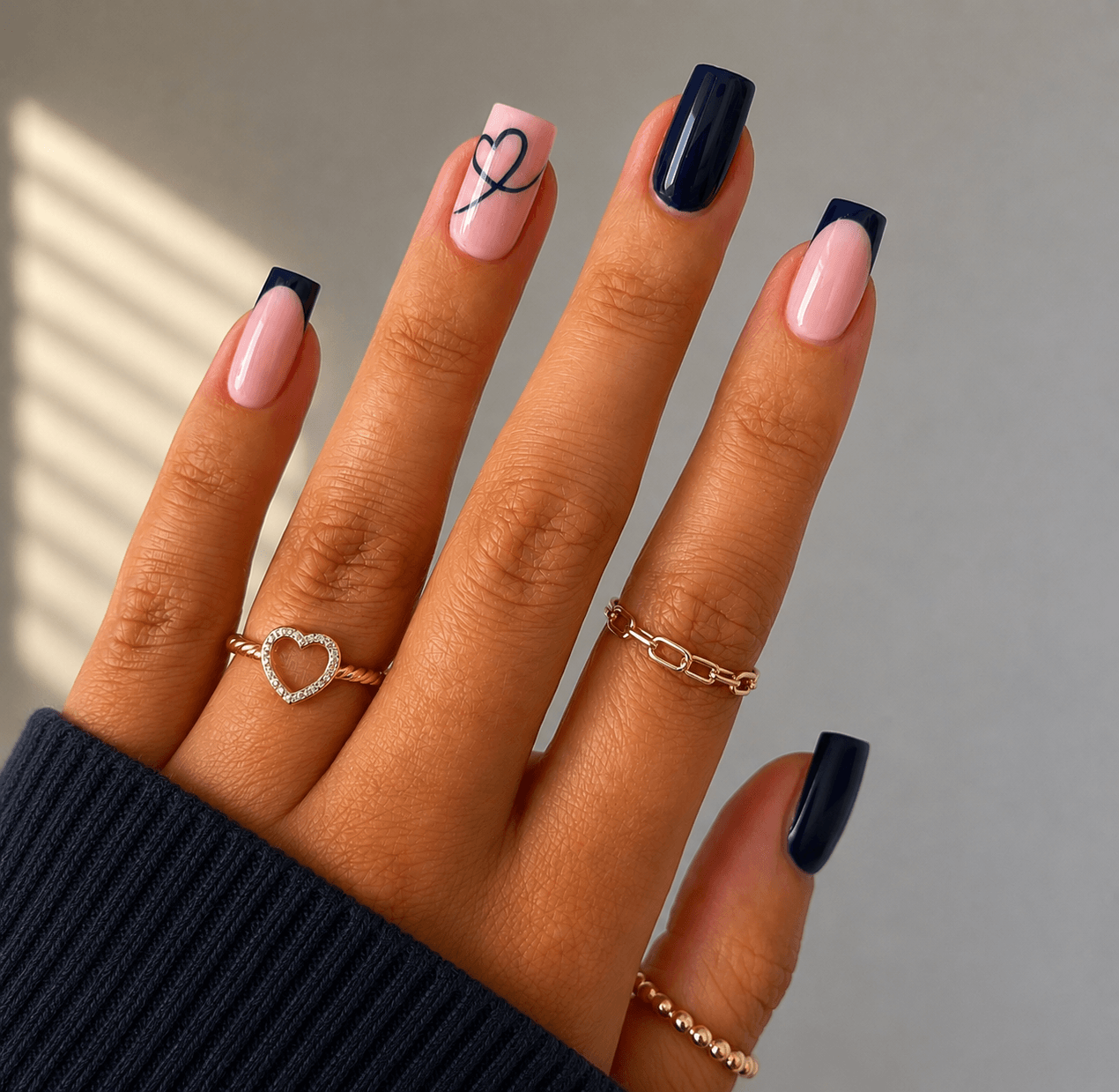
What Is BIAB? Builder in a Bottle Explained
What BIAB actually is, how it differs from gel polish, who it suits and what to know about removal before you commit.
Read more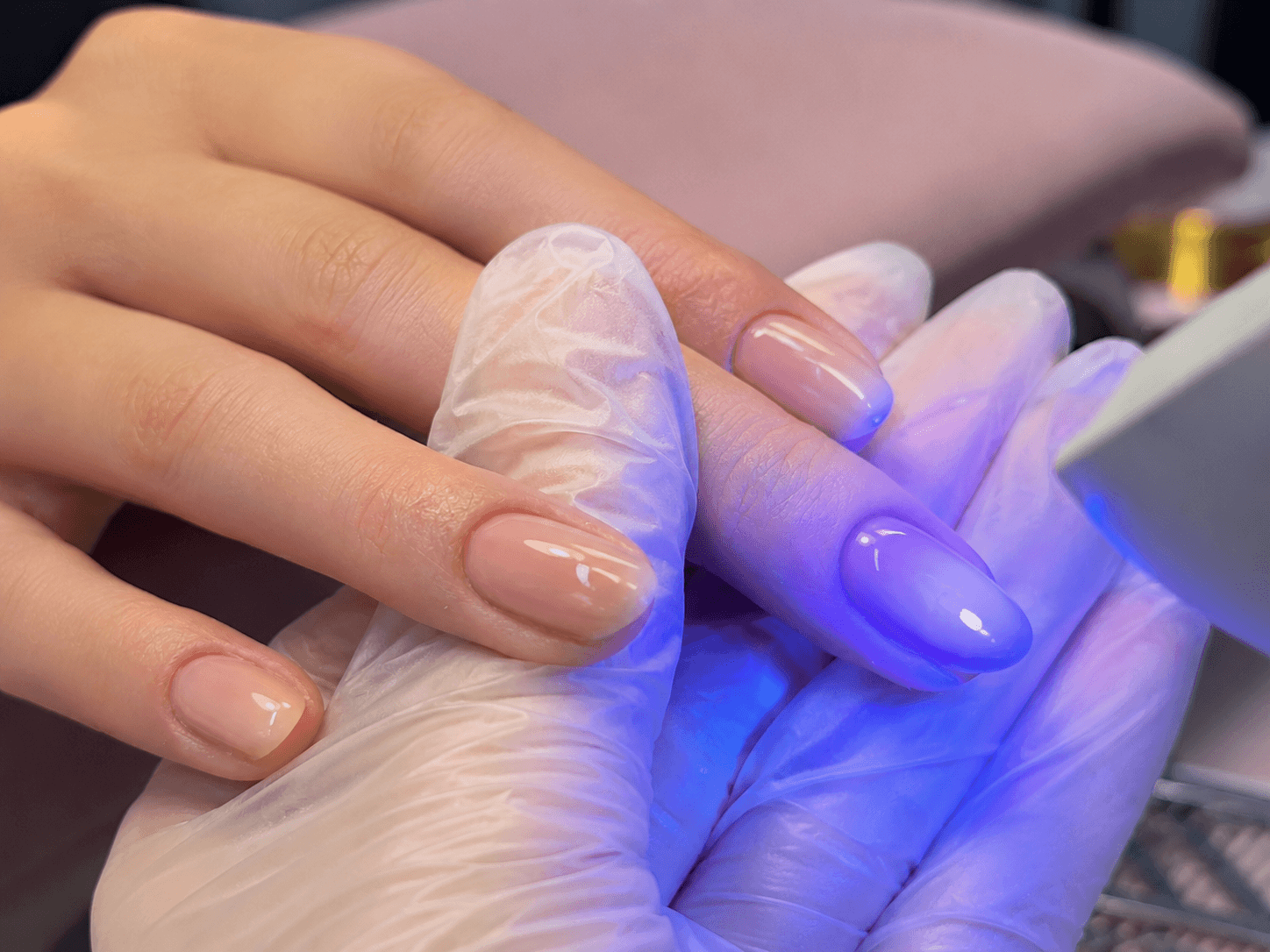
Why Does BIAB Burn? A Nail Technician Explains
What causes the heat spike during BIAB curing, what makes it worse and how your technician can reduce it.
Read more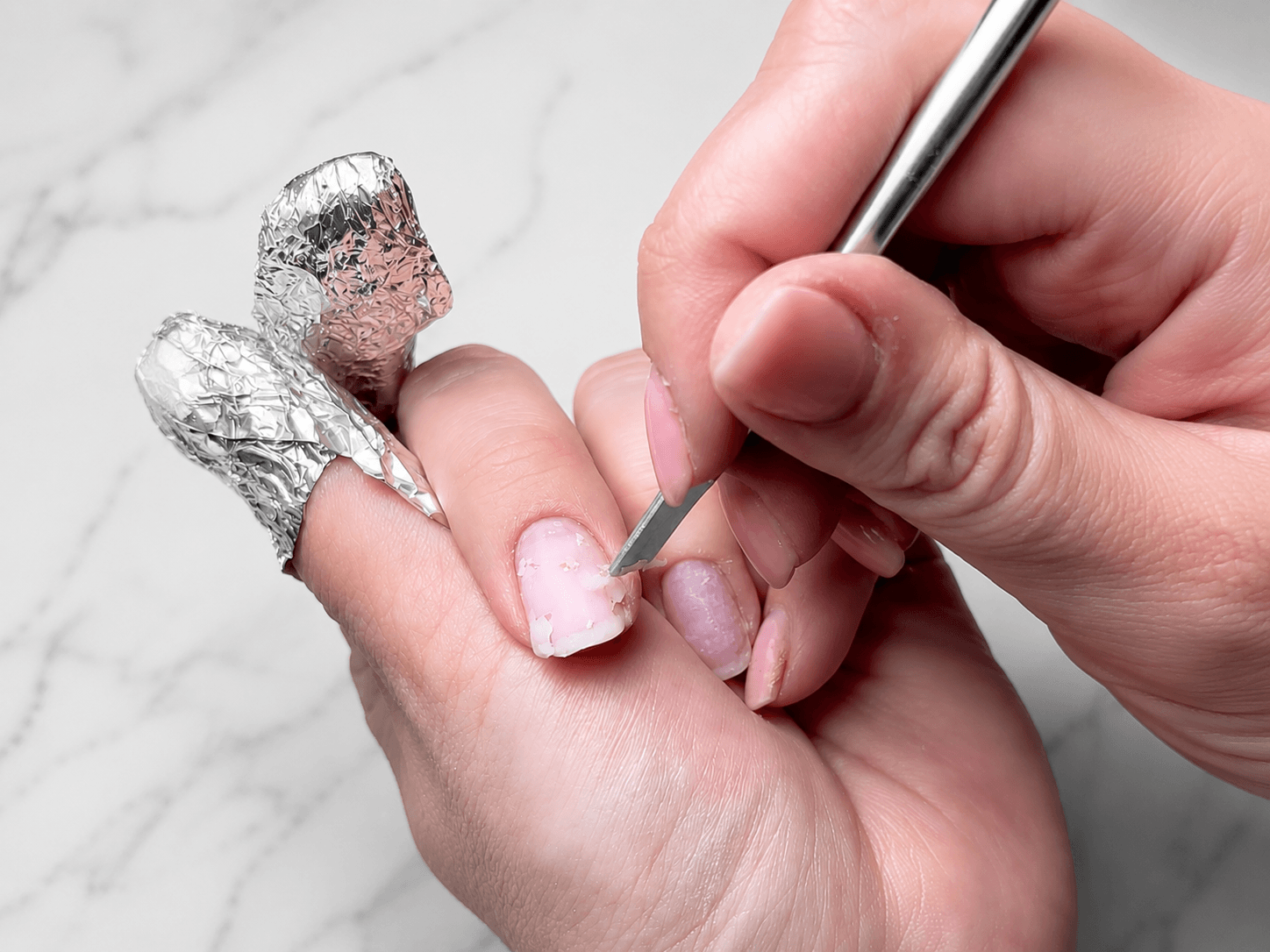
How to Remove BIAB at Home Without Damage
When full removal makes sense, what you need and how to work through it safely without thinning the nail plate.
Read more