How Long BIAB Lasts Before You Need an Infill
Three to four weeks is the figure most people have heard. The part that trips clients up is that this covers two different things — how long before you need an infill, and how long you can keep the same set going before starting fresh. They’re not the same question and the answers are different.
The Straightforward Answer
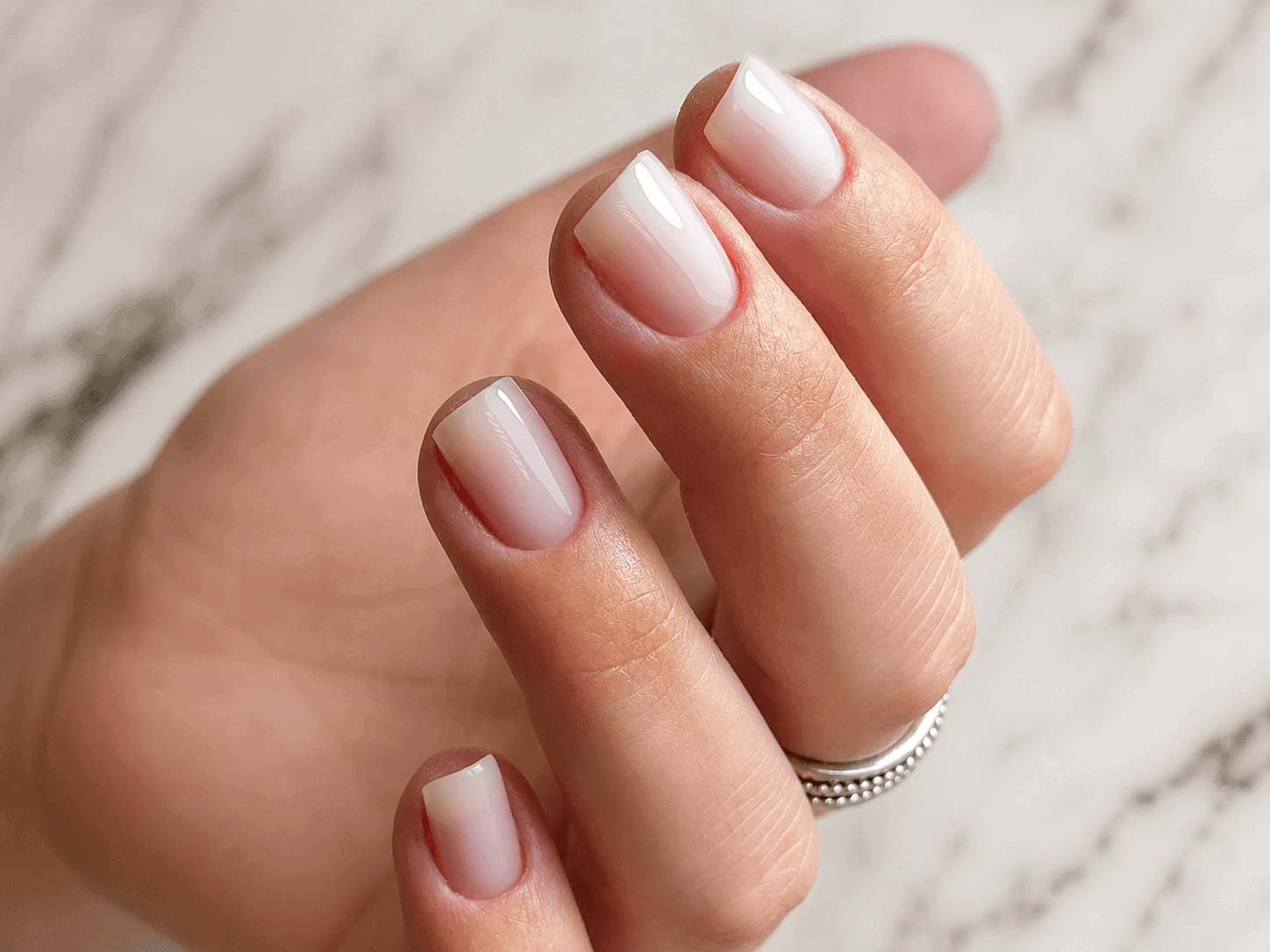
BIAB typically lasts three to four weeks before the grow-out becomes structurally significant. Most clients find two to three weeks is the point where it looks and feels best, and where an infill keeps everything in good condition without waiting for problems to develop.
Compared to standard gel polish, which needs a full removal and reapplication every two to three weeks, BIAB’s advantage isn’t just that it lasts longer. It can be maintained through infills rather than complete removal, which reduces acetone exposure and is significantly gentler on the nail plate over time.
Infill Versus Full Removal
How long before you need an infill and how long you can keep the same set are related but not the same.
An infill, where fresh BIAB is applied over the grown-out area near the cuticle, is appropriate every two to three weeks for most clients. At this point the gap is manageable, the structure is still sound, and the appointment is quicker and less disruptive to the nail plate than a full soak-off.
A full removal, where the entire set comes off and starts fresh, is recommended every three to four appointments rather than every time. The GelBottle Inc’s own training guidance recommends a complete removal at this interval to allow a proper assessment of the nail plate underneath and ensure the application is giving the nail the best possible support going forward.
For the detail on how infills work and what to expect from the appointment, the BIAB infill guide covers this in full.
What Affects How Long It Lasts
Preparation is the biggest variable and it happens before colour touches the nail. Nails that aren’t properly dehydrated, or where cuticle tissue is left on the nail plate surface, will lift earlier regardless of how good the product is. I see this more often than anything else when clients come in saying their BIAB didn’t last.
Lifestyle is the other significant factor. Frequent water exposure, cleaning without gloves, and using nails as tools all shorten wear time. BIAB is more durable than gel polish but it isn’t indestructible. Cuticle oil applied daily keeps the surrounding skin flexible and reduces the tension that causes lifting at the base of the nail over time.
Nail health also plays a role. Clients with naturally thin or flexible nails often find BIAB lasts exceptionally well because the overlay adds structure that the natural nail was missing. Clients with very damaged or severely thin nail plates may find BIAB less comfortable during curing due to heat spike sensitivity, which is covered in the why does BIAB burn guide.
How Long BIAB Lasts on Toenails
Toenails grow more slowly than fingernails, which means BIAB on toes can last six to eight weeks before the grow-out becomes obvious. That sounds like a reason to book it for a pedicure, but in practice most clients don’t. Gel polish on toenails generally lasts around two months anyway, and BIAB costs more. For most people, gel on toes makes more sense unless there’s a specific reason, such as weak toenails or a client who wants the structural overlay specifically.
How the Application Method Affects Longevity
The way BIAB is applied changes how long the set can practically last and how easily it can be refreshed. I covered this in detail in the what is BIAB nails guide, but in short, the separated base coat method I use allows colour to be changed between infills without disturbing the structural BIAB layer underneath. That extends the practical lifespan of the set and reduces the number of full removals the nail plate goes through over time.
The Four Week Rule
Leaving BIAB on beyond four weeks isn’t recommended. As the natural nail grows, the gap between the cuticle and the edge of the BIAB widens. Once that gap becomes significant, lifting becomes more likely, and when gel lifts and creates a pocket, moisture gets trapped underneath. That environment is where bacterial or fungal infection can develop. It isn’t inevitable but it’s a real risk most clients aren’t aware of until it happens.
The four week point is also where the structural apex, the slight arch built into the BIAB overlay that gives the nail its strength, has moved far enough from its original position that the nail is no longer properly supported. An infill restores it. Leaving it beyond that puts the nail under cumulative stress that shortens the lifespan of the next set.
The simplest way to avoid all of this
Book your infill at two to three weeks and you’ll never get close to this problem.
Related articles
What Is BIAB? Builder in a Bottle Explained
What BIAB actually is, how it differs from gel polish, who it suits and what to know about removal before you commit.
Read more
BIAB Infill: The Complete Guide
What happens at an infill, how often you need one, and why the timing matters more than you’d think.
Read more
Builder Gel Nails: Everything You Need to Know
What builder gel is, how it differs from BIAB and gel polish, what it’s used for and how removal works.
Read more
How to Remove BIAB at Home Without Damage
When full removal makes sense, what you need and how to work through it safely without thinning the nail plate.
Read more