
How Often You Actually Need a BIAB Infill (And What Happens If You Don’t)
Most clients who are new to BIAB understand what happens in the first appointment from the prep to the finish. What catches people off guard is everything that comes after. BIAB isn’t a manicure you get once and replace every few weeks. It can be maintained via the infill process.
What Happens at a BIAB Infill
An infill appointment picks up where the last one left off. As your natural nail grows, a gap appears between the cuticle and the edge of the existing BIAB overlay. That gap needs to be filled and the structure of the overlay needs to be rebuilt to support the nail in its new position.
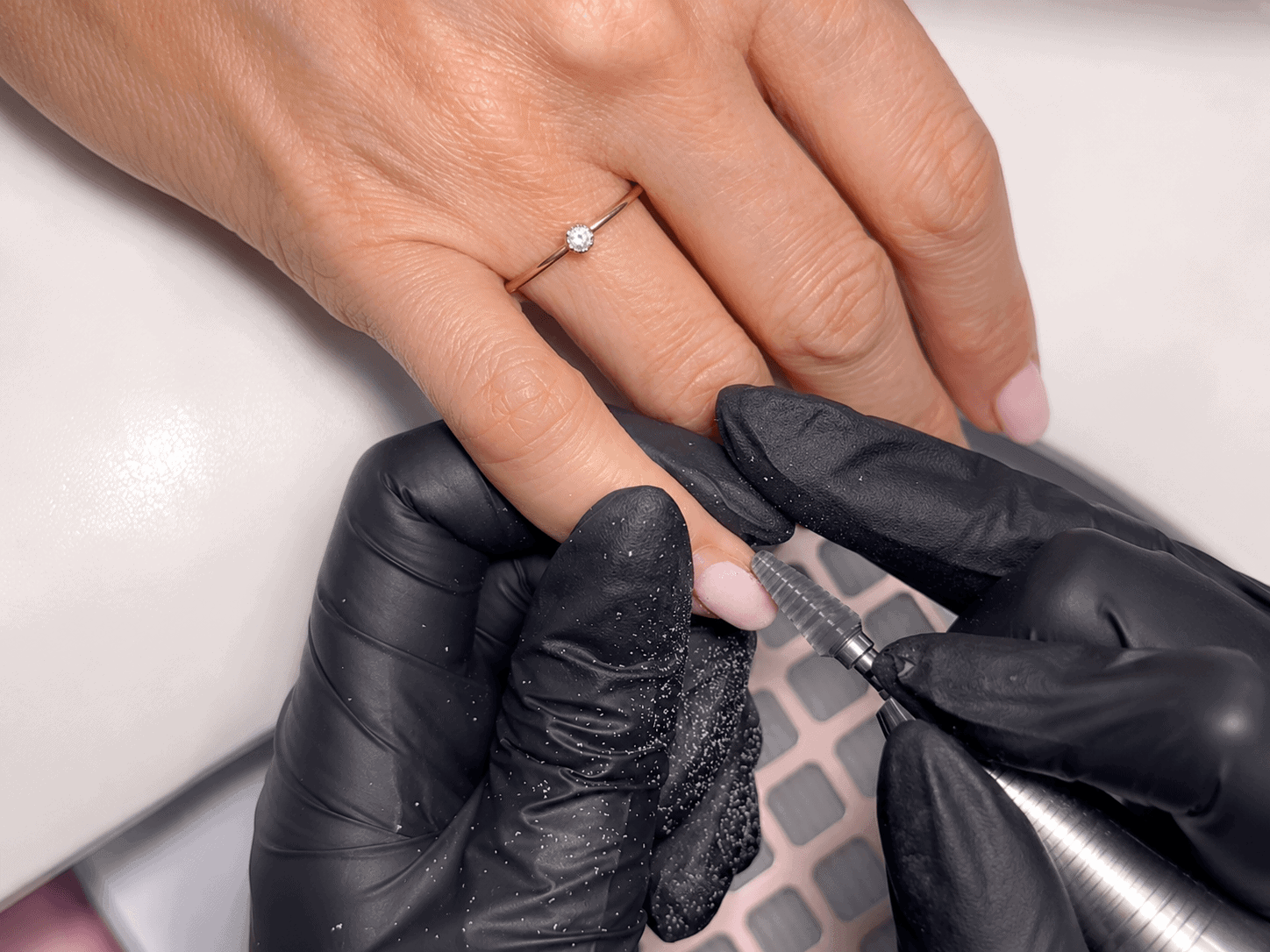
In practice, the appointment involves filing back the existing product to remove bulk and blend the grown-out area, cleaning and neatening the cuticles, and applying fresh BIAB to fill the gap using the bead technique to build the product smoothly over the regrowth zone. The apex, the slight arch that gives the nail its structural strength, gets repositioned in the process. Once the new BIAB is cured, the surface is filed and buffed smooth, top coat is applied and the appointment is done.
If you’re new to BIAB and want to understand the product itself before getting into maintenance, the what is BIAB nails guide is the place to start.
Infill or Rebalance: Is There a Difference?
Different salons use different words for the same appointment. Some call it an infill, some call it a rebalance, some call it a maintenance appointment. In most cases they’re referring to the same process of rebuilding the gap and repositioning the structure.
The distinction that does matter is between an infill and a full removal. An infill keeps the existing set going. A full removal takes everything off and starts from scratch. These are different appointments with different costs, different timelines and different reasons for being booked.
How Often You Need a BIAB Infill
Usually, clients come back every two to three weeks. At this point the gap at the cuticle is manageable, the structure is still sound, and the appointment is relatively quick and straightforward. Four weeks is workable but you’re approaching the outer limit of what the product can comfortably support before structural problems start to develop.
That said, I see some clients trying to push to five or six weeks. A few can get away with it if their nails grow slowly and their lifestyle is gentle on their hands.
Why the Timing Matters More Than You’d Think
This is the part clients often don’t understand until they’ve had a set lift or break in a way they didn’t expect.
When BIAB is first applied, the apex sits exactly where it should, at roughly a third of the way up the nail from the cuticle. That position is what gives the nail its load-bearing capacity. As your natural nail grows, the apex moves forward with it. After three to four weeks it’s shifted enough that the structural support is no longer in the right place. The nail is thinner and more vulnerable at the base than it was when the set was fresh, and that’s where breaks tend to happen.
It’s not just about how the nails look
An infill at two to three weeks restores the apex before that shift becomes significant. It’s about keeping the structure working the way it was designed to, not just closing the visible gap at the cuticle.
How Many Infills Before a Full Removal
The general professional recommendation is a full removal every two to three infill appointments. The GelBottle Inc, who make BIAB, recommend this interval specifically so the natural nail can be properly assessed underneath. After several rounds of infilling, the product builds up over time and a fresh start ensures the application is still supporting rather than compressing the nail.
In my own practice, I look at the condition of the set rather than counting appointments rigidly. If the overlay looks even and the nail underneath feels healthy, another infill is fine. If there are signs of buildup, lifting that has been filed over rather than addressed, or if the client is complaining of the nails feeling different, that’s when a full removal makes more sense regardless of how many infills have happened.
Can You Change Colour at a BIAB Infill?
Yes, and this is one of the practical advantages of BIAB that most clients don’t realise.
If your BIAB was applied with a clear structural layer and a separate gel colour on top, the colour can be buffed off and replaced at an infill without disturbing the BIAB underneath. The structure stays, a new colour goes on, and you leave with a fresh look without the nail plate going through a full soak-off.
If your BIAB was applied all-in-one, with colour built into the product itself, a colour change requires removing the whole set. The all-in-one method doesn’t separate the structural layer from the colour layer in the same way. This is one of the reasons the separated application method has practical advantages beyond nail health, it gives you more flexibility between appointments.
What If You’ve Left It Too Long?
It does happen because life gets busy, the appointment gets pushed back, and suddenly it’s been five weeks and the gap at the cuticle is significant.
When a client comes in with very overgrown BIAB, the appointment takes longer and is more involved than a standard infill. There’s more product to file back, the apex needs more work to rebuild correctly, and any lifting that has developed in the gap needs to be addressed properly before new product goes on. If there’s any sign of moisture having been trapped under the lifted section, that needs to be checked and dealt with before anything is applied over the top.
When a full removal is the safer choice
If the overgrowth is severe or there’s visible discolouration or anything that looks like a skin concern underneath, a full removal is the safer choice. If you’re considering removing it yourself rather than waiting for an appointment, the how to remove BIAB at home guide covers what to do safely.
Related articles
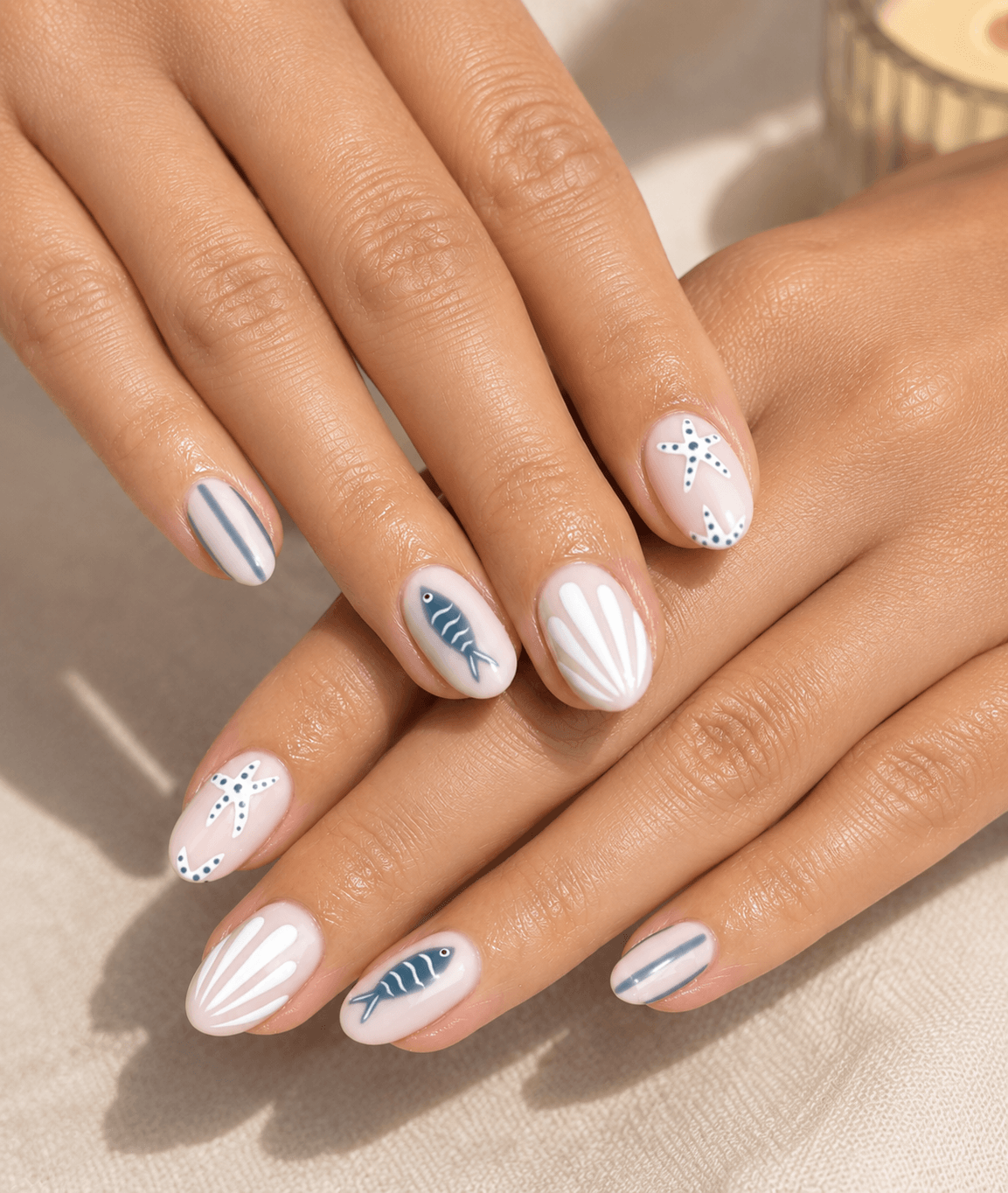
Builder Gel Nails: Everything You Need to Know
What builder gel is, how it differs from BIAB and gel polish, what it’s used for and how removal works.
Read more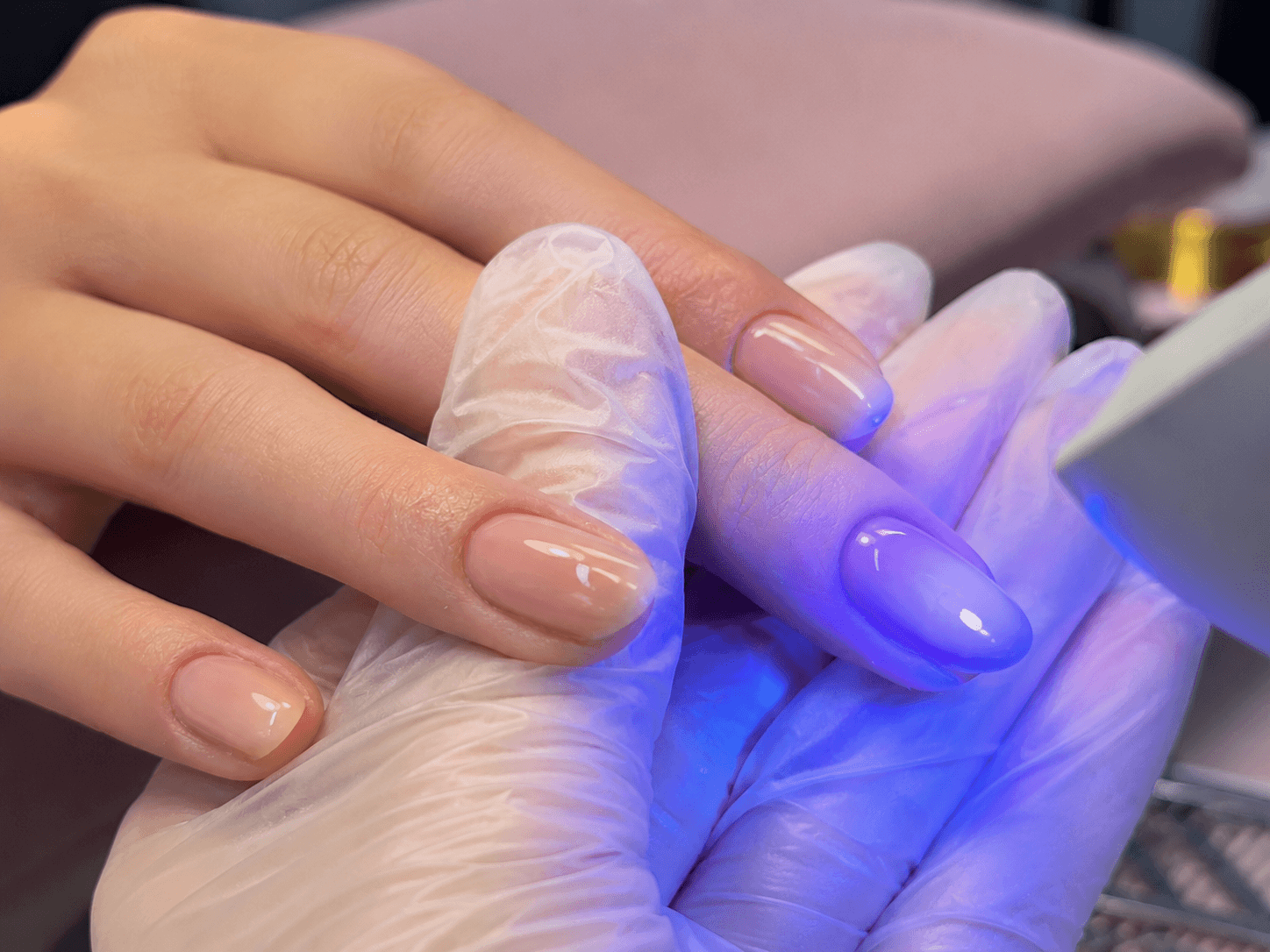
Why Does BIAB Burn? A Nail Technician Explains
What causes the heat spike during BIAB curing, what makes it worse and how your technician can reduce it.
Read more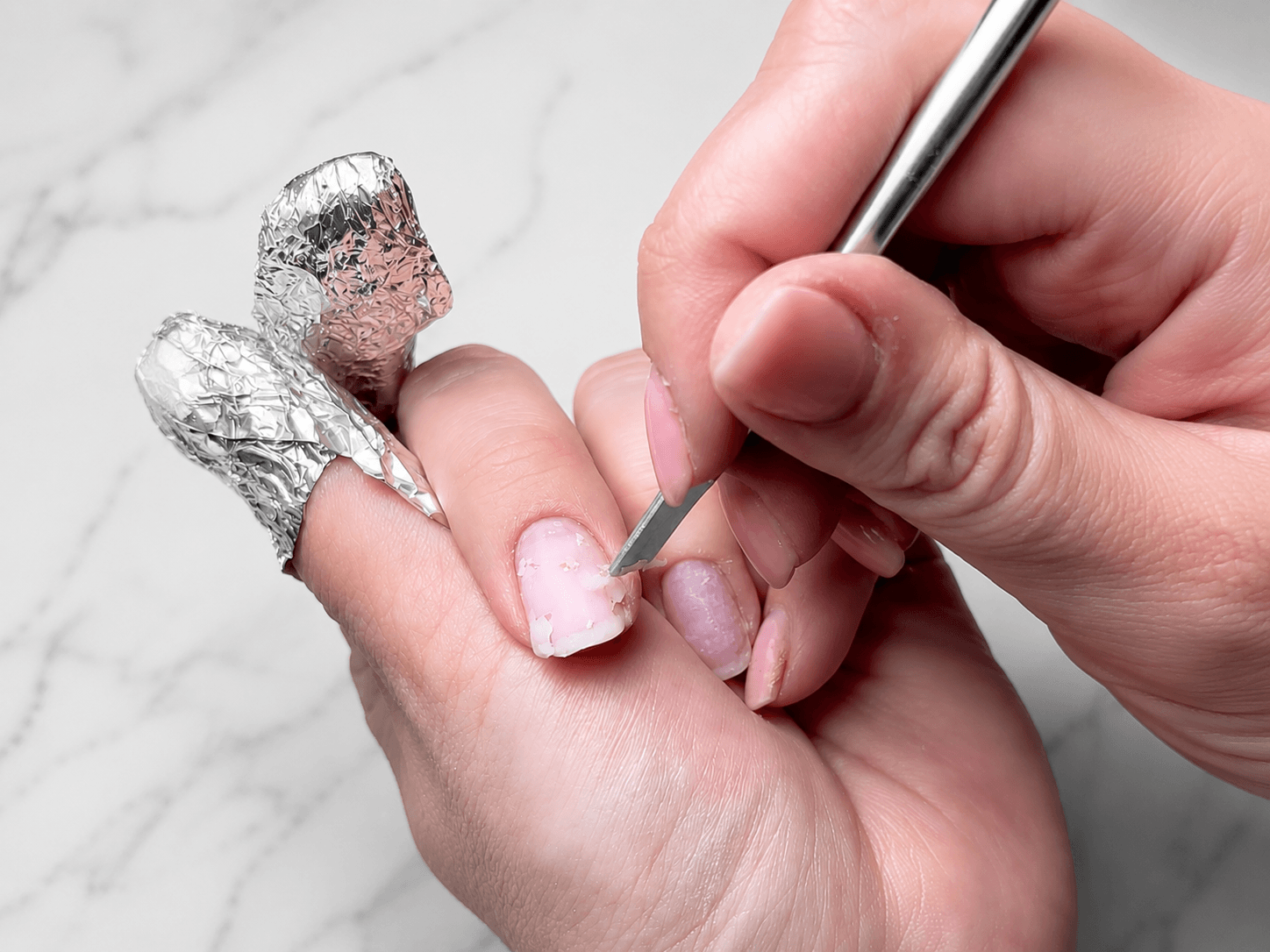
How to Remove BIAB at Home Without Damage
When full removal makes sense, what you need and how to work through it safely without thinning the nail plate.
Read more