
How to Stop Gel Nails from Peeling
Gel nails peeling is one of those problems where the obvious fixes, buying better gel, finding a better salon, switching products, rarely turn out to be the actual answer. In most cases something went wrong in the fifteen minutes before the colour ever touched the nail.
Why Gel Nails Peel and Lift
The location tells you something useful about the cause.
- Lifting at the cuticle end almost always points to preparation. Oils or moisture left on the nail plate, gel applied too close to the surrounding skin, or cuticle tissue that wasn’t properly cleared before application are the usual culprits.
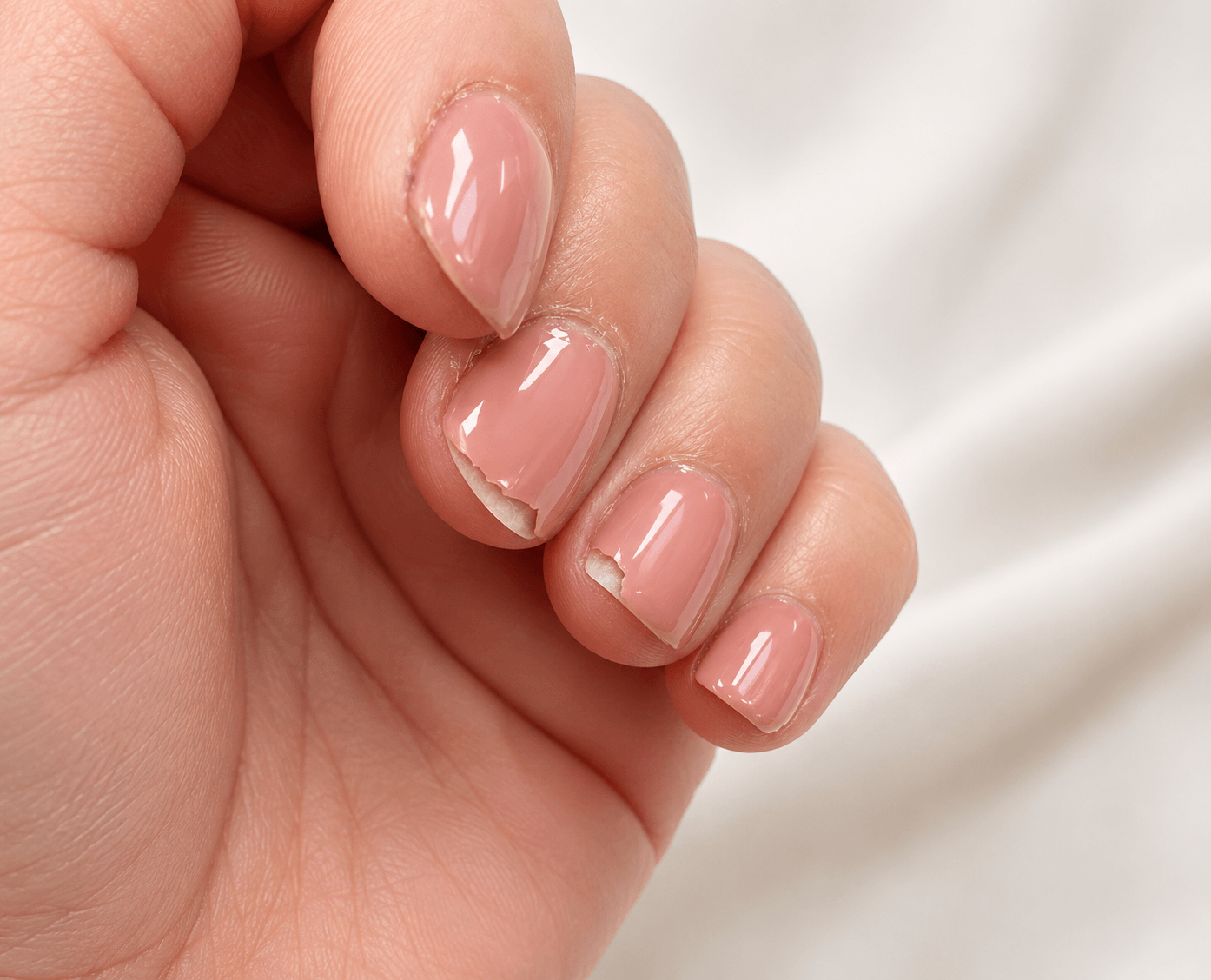
- Peeling at the tip or free edge is usually a sealing issue. The top coat wasn’t wrapped over the edge of the nail, leaving it open for moisture to creep underneath.
- Gel coming off in one complete piece often points to undercuring. The surface sets firm while the layer underneath stays slightly soft, and the whole thing eventually slides off as one unit. This tends to happen with at-home kits where the lamp isn’t powerful enough for the product, or when the lamp and the gel brand aren’t compatible.
The Preparation Causes
Preparation is where most peeling starts, and it begins with the nail surface itself.
Natural oils migrate from the skin onto the nail constantly. Any oil residue left on the plate when the base coat goes on creates a barrier that stops the gel bonding properly. Applying hand cream before an appointment is one of the fastest ways to guarantee lifting. The dehydration step, wiping each nail with a prep solution or acetone on a lint-free pad, removes this layer. Skipping it or rushing through it is the single most common preparation mistake I see.
Cuticle preparation matters just as much. Any cuticle tissue sitting on the nail plate, the thin translucent layer of skin that sometimes grows up and over the base of the nail, needs to come off before application. Gel applied over it will lift as that skin naturally sheds. It’s not always visible until the lifting starts, which is why clients sometimes can’t explain why one appointment holds and the next doesn’t. The cuticle work was simply more thorough one time than the other.
The Application Causes
Even with clean, dehydrated nails, a few things during application cause consistent peeling.
Thick layers are harder to cure and more likely to peel. Two thin coats of colour cure more reliably than one heavy coat, and a base coat applied too thickly tends to lift at the edges as it sets. Keeping layers thin at every stage gives the lamp a better chance of curing the product all the way through.
Gel touching the surrounding skin causes cuticle-end lifting. The product bonds to the nail plate but not to skin, so as the skin moves it pulls the gel with it. A small gap between the gel and the surrounding skin on every nail prevents this.
At the tip, the free edge needs to be sealed. Running a thin layer of colour and top coat over the very edge of the nail stops moisture getting underneath. If that step is missed, those tips are the first to go.
Aftercare Habits That Cause Peeling
Preparation and application are mostly out of your hands once you leave the salon. Aftercare, therefore, is where you have the most control.
- Water exposure. Nails absorb moisture and prolonged exposure causes the nail plate to expand then contract as it dries. Repeated cycles of this weaken the gel bond over time. Washing up without gloves, long baths and extended swimming all contribute.
- Hand sanitiser. The alcohol dries out the nail and surrounding skin with repeated use throughout the day. If you’re using it frequently, cuticle oil applied more often helps counteract it.
- Biting nails or cuticles. This weakens the nail plate, creates small cracks at the edges and gives the gel less to hold onto.
- Skipping cuticle oil. Daily cuticle oil is the single most effective aftercare habit. When the skin around the nail dries out it pulls against the gel edge and causes lifting at the base. It’s also the step clients most commonly skip.
Why Some Nails Peel Before Others
Preparation is the first thing to look at. If the dehydration wasn’t as thorough on certain nails, the cuticle clearing wasn’t as complete, or the base coat went on slightly thicker, those nails will lift before the others.
The second factor is how those specific nails are used. A dominant hand, a thumb used to open things, or a finger that takes more mechanical stress in daily life will wear faster than nails that rarely make contact with anything. If you notice a consistent pattern, it’s worth thinking about both. Mention it to your technician, and also consider whether those nails are doing more work between appointments than the ones that hold.
What to Do When It’s Already Happening
Don’t peel it. Gel bonds to the nail plate, and peeling it off takes layers of natural nail with it. The white patches that appear afterwards are areas of nail plate that have been stripped and they don’t recover quickly.
If an edge is lifting, file it down gently to stop it catching and leave it until your next appointment. If the gel has lifted significantly and there’s a visible gap, that gap traps moisture and creates the conditions for a bacterial or fungal infection. Getting it removed properly is worth it rather than leaving it to continue lifting on its own.
The how to remove gel nails at home guide covers the safe process if you need to take it off before your next appointment.
Related articles
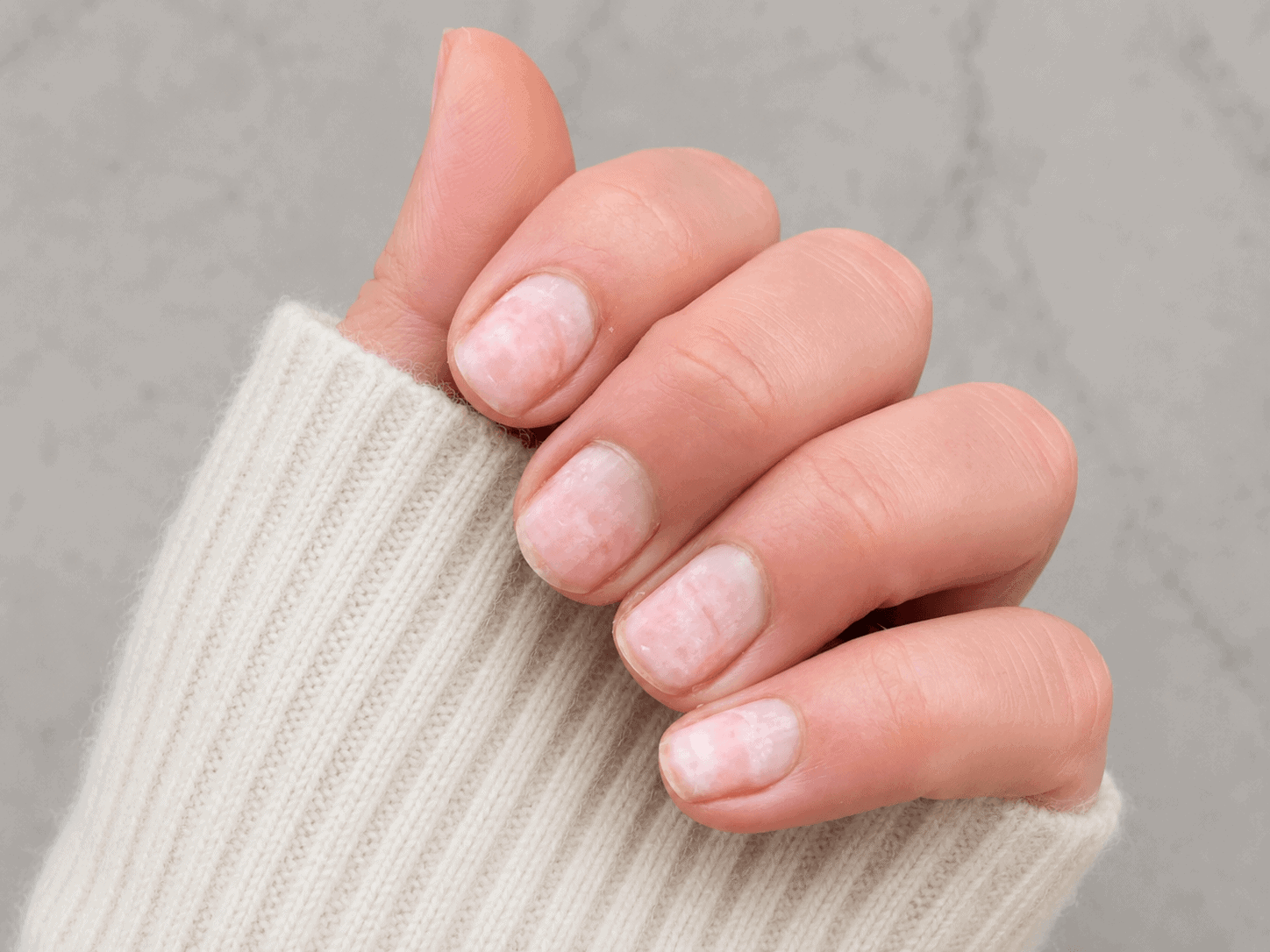
How to Strengthen Nails After Gel
What causes the damage, how long recovery actually takes, and the daily routine that gets your nails back to normal.
Read more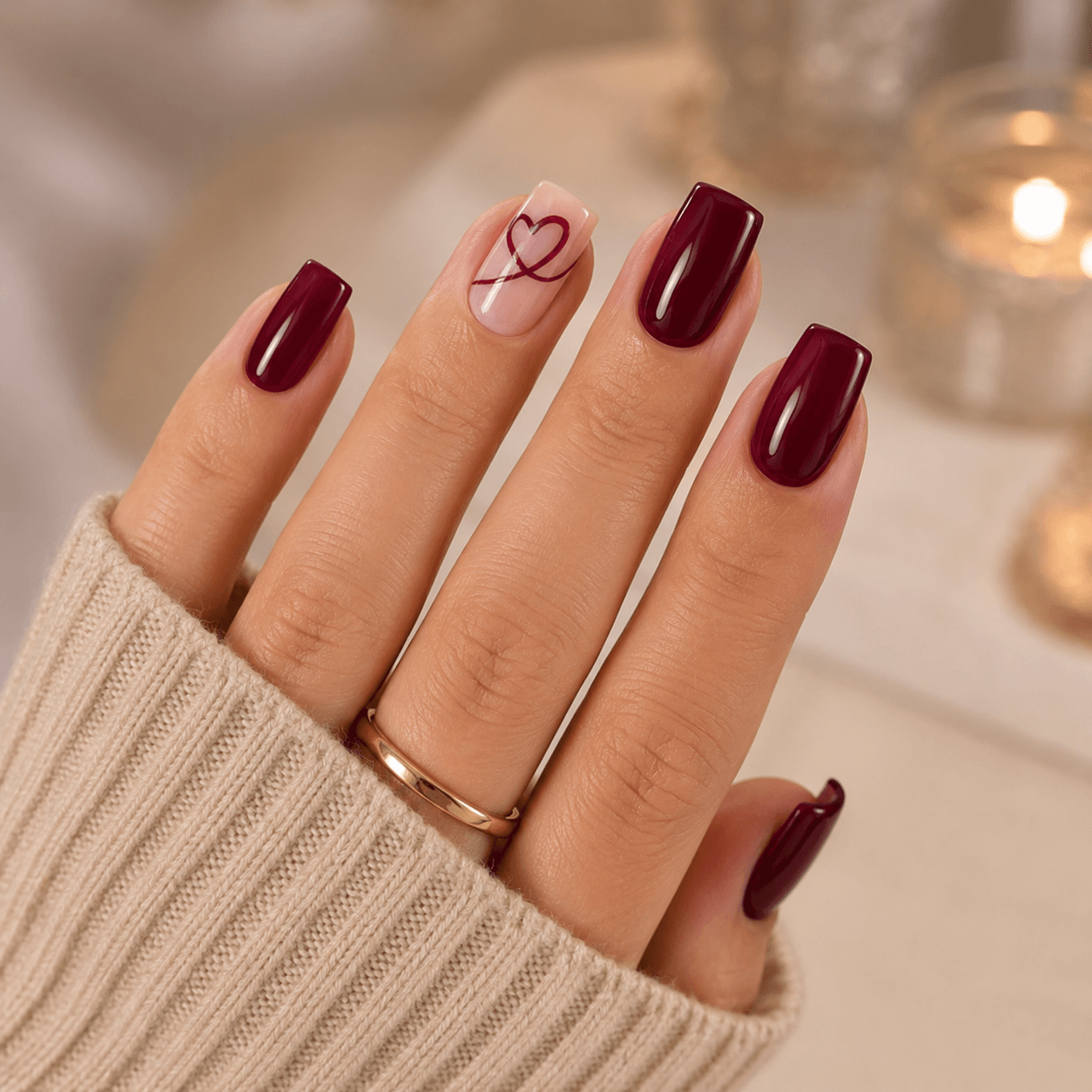
How Long Do Gel Nails Last?
Why some sets last two weeks and others last four and what preparation, aftercare and product choice actually determine.
Read more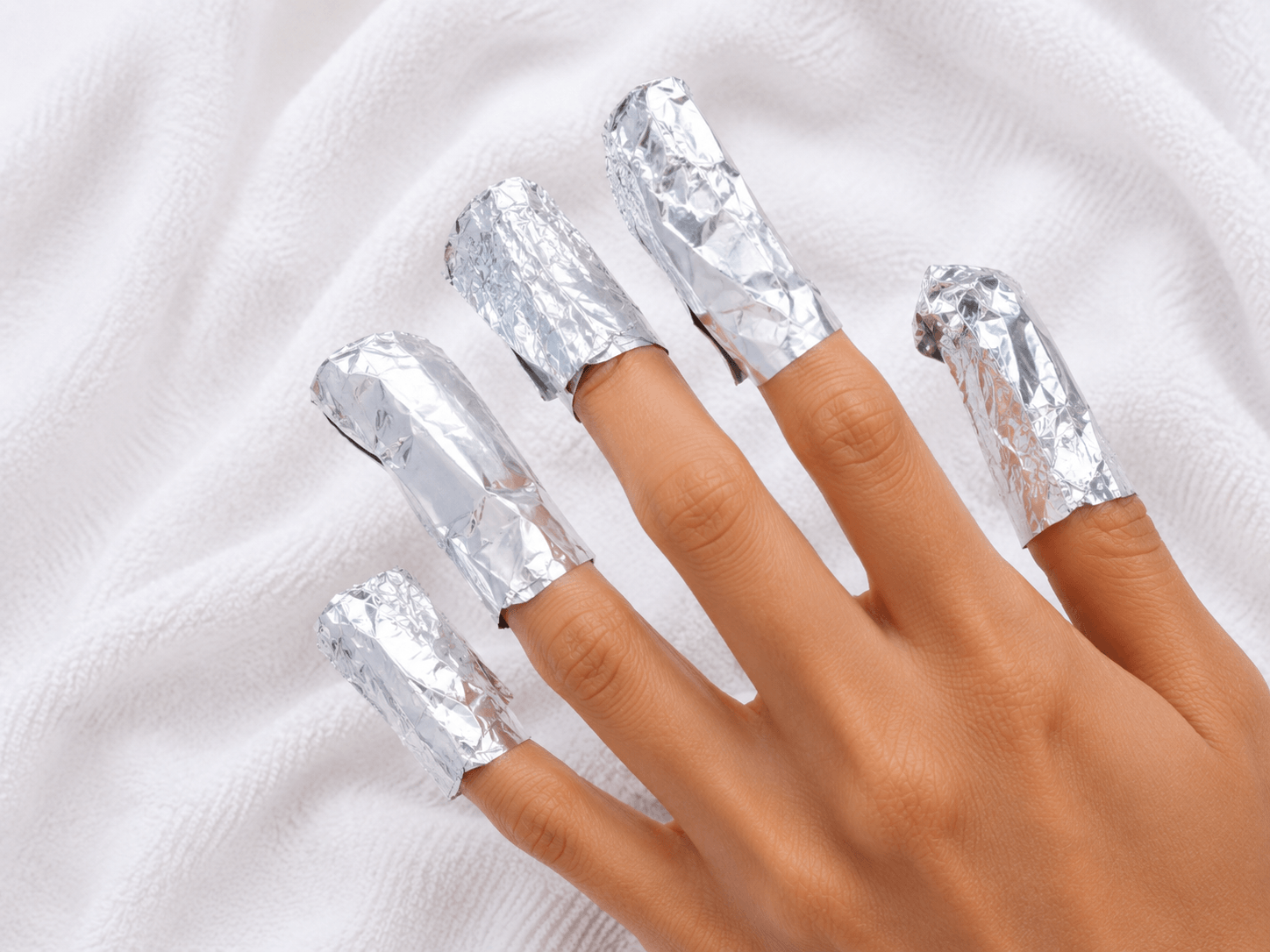
How to Remove Gel Nails at Home Without Damage
The safe method for removing gel at home, what to avoid and how to protect the nail plate throughout.
Read more
Can Children Have Gel Nails?
The permanent allergy risk most parents don’t know about, what the law says, and what to do instead.
Read more