
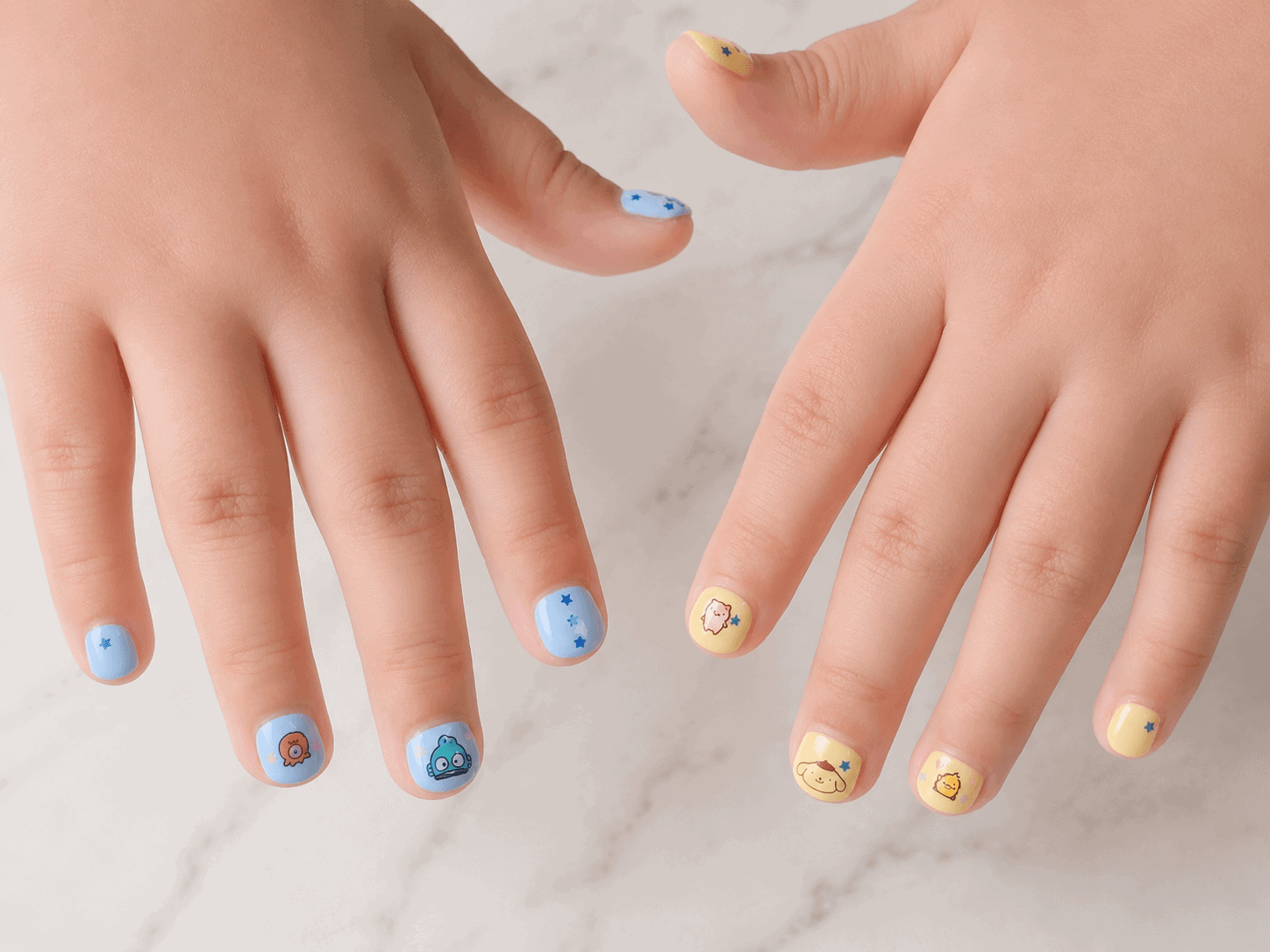
Can Children Have Gel Nails?
Parents ask me this more than you’d expect. Usually it’s before a holiday, a birthday, or a bridesmaid situation. The child has seen something they like and wants it done properly. It’s a reasonable question and it deserves a straight answer.
The Short Answer
Gel nails are not recommended for children. Not because of how it looks or what it costs, but because of a specific, permanent health risk that most parents asking this question haven’t been told about.
Why Children’s Nails Are Different
A child’s nail unit is structurally different to an adult’s. The nail plate is softer and holds significantly more moisture. The nail bed is less developed. The matrix, the part of the nail responsible for growth, is still maturing. Even the basic preparation steps for a gel manicure, buffing the nail surface to help the product adhere, can thin a nail plate that is already thin and vulnerable in ways that take a long time to recover from.
Children also move. Gel applied while a child is fidgeting is more likely to make contact with the surrounding skin. That contact, between uncured gel and skin, is exactly where the most significant health risk comes from.
The Allergy Risk Most Parents Don’t Know About
Gel polish contains chemicals called acrylates, including one called HEMA, which is the most common sensitiser in gel products. Sensitisation happens when uncured product makes contact with skin. Once it happens, the allergy is permanent. There is no treatment and no reversal.
The British Association of Dermatologists has issued repeated warnings on this since 2018, and HEMA allergy rates in the UK have continued to rise despite regulatory action. What makes this particularly significant for children is what the allergy extends to. Acrylate sensitisation cross-reacts with medical adhesives, dental materials, bone cement, glucose sensors, insulin pumps and contact lenses. A child sensitised through nail products may later face complications with completely routine medical procedures, for the rest of their life.
This is not a theoretical risk
According to a UK audit across 13 dermatology units, sixty per cent of patients who developed acrylate allergy did so through recreational exposure to nail products. The rate of sensitisation is higher when the product is applied by someone inexperienced, or when a child moves during application and the uncured product touches skin.
The Age Question
There is no legal minimum age for gel nails in the UK. Insurance providers classify gel polish as a basic beauty treatment, requiring written parental consent for under-16s but imposing no hard age restriction on the service itself. Some policies draw the line at 14 for certain treatments. Some salons set their own policies at 16.
The absence of a legal restriction does not mean the treatment is appropriate
A legal permission slip does not change what gel chemistry does to an immature nail plate, or what acrylate sensitisation means for a child’s future medical care.
What About Teenagers?
This is the genuinely nuanced part. A 16 year old is meaningfully different from a 6 year old. Nail development continues through adolescence and by the mid-teens the nail unit is closer to adult maturity. Older teenagers can follow aftercare guidance and understand what they’re consenting to. The allergy risk remains the same at any age, but the developmental concern is less acute.
My own position is that I don’t apply gel to anyone I consider too young to understand what they’re agreeing to, or too young to look after the nails properly between appointments. Peeling gel off is the most common aftercare mistake adults make. A child who does the same thing is stripping nail plate from a nail that was already more vulnerable than an adult’s.
What to Do Instead
A regular, non-gel manicure is the right option for younger children. Nail polish painted carefully and sealed with a regular top coat looks good, lasts a few days, and removes with regular remover without any of the health considerations above. Water-based and peel-off polishes are widely available for children who want something more playful.
For teenagers who genuinely want gel, the honest conversation is about the allergy risk specifically. If they understand it and their parent understands it, that changes the decision from a parenting question to an informed one. I’d still want them to be mature enough to follow aftercare properly, because the damage from peeling gel off a developing nail plate compounds quickly.
The request for gel nails for a child is almost always a question about wanting the child to feel grown-up and have something special. A well-applied regular manicure with a colour the child chooses themselves tends to solve that problem without the risk.
Related articles
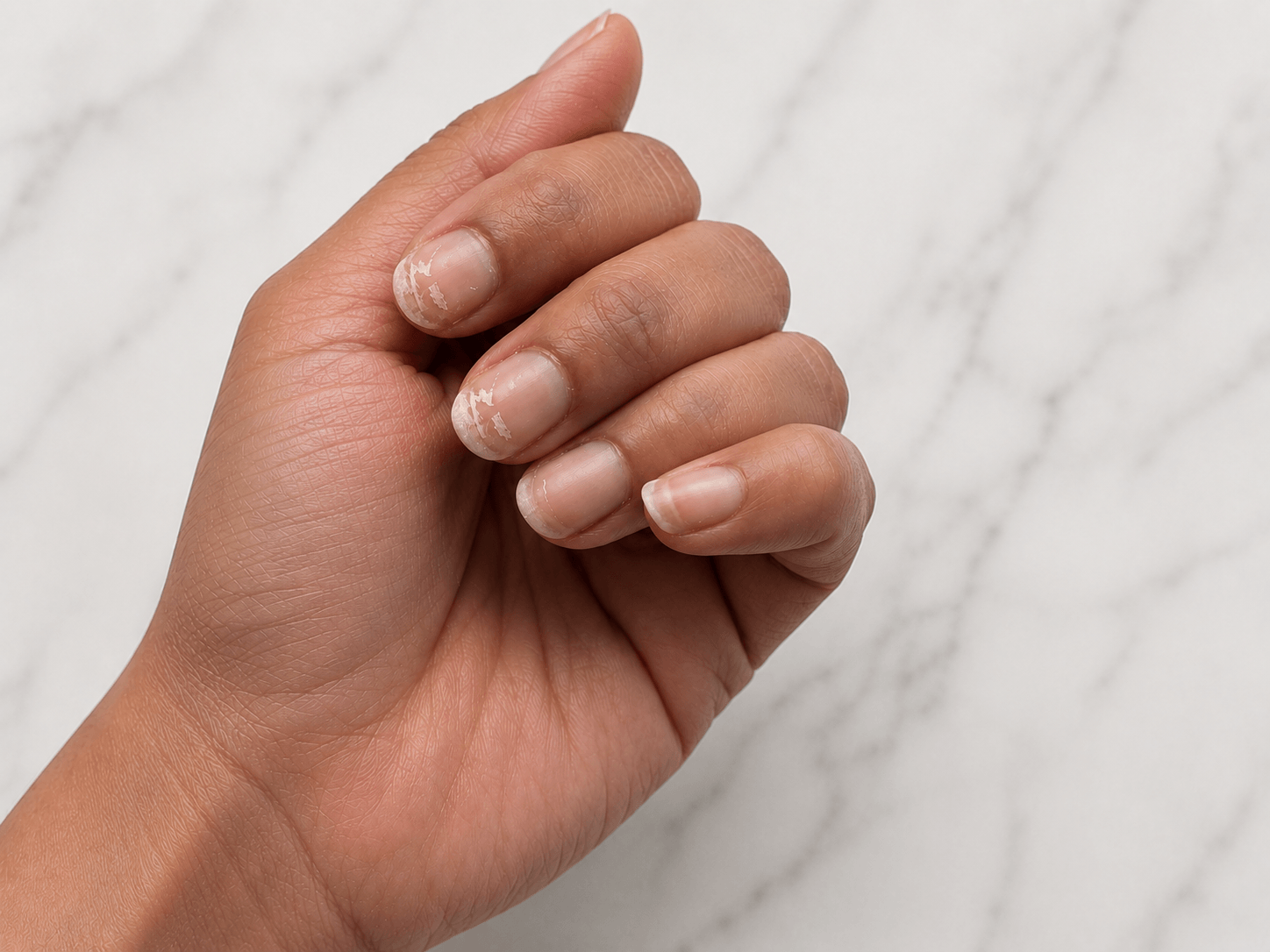
Is Gel Nail Polish Bad for Your Nails?
What the research actually says, what causes real damage and how to wear gel without the long-term downsides.
Read more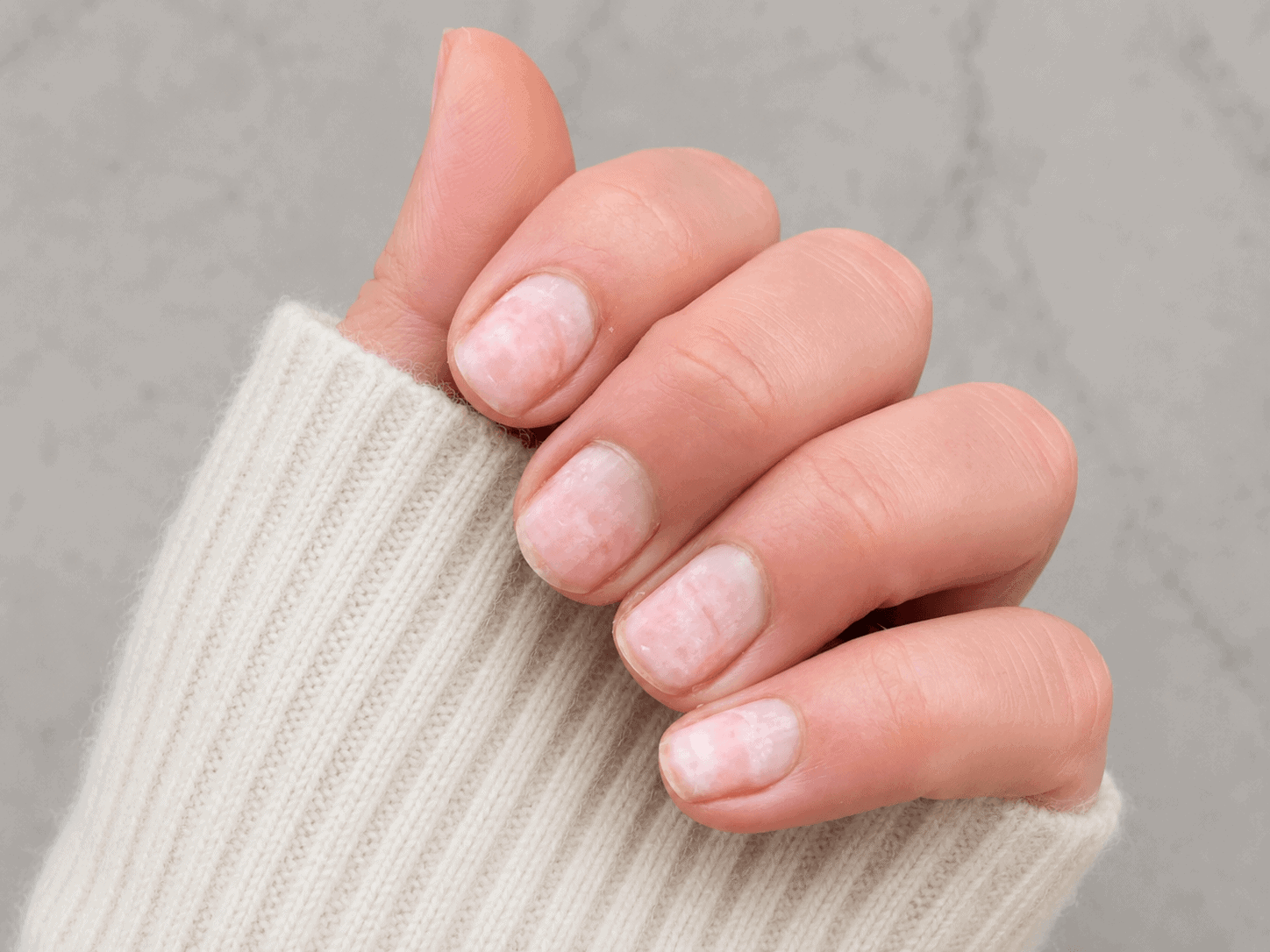
How to Strengthen Nails After Gel
What causes the damage, how long recovery actually takes, and the daily routine that gets your nails back to normal.
Read more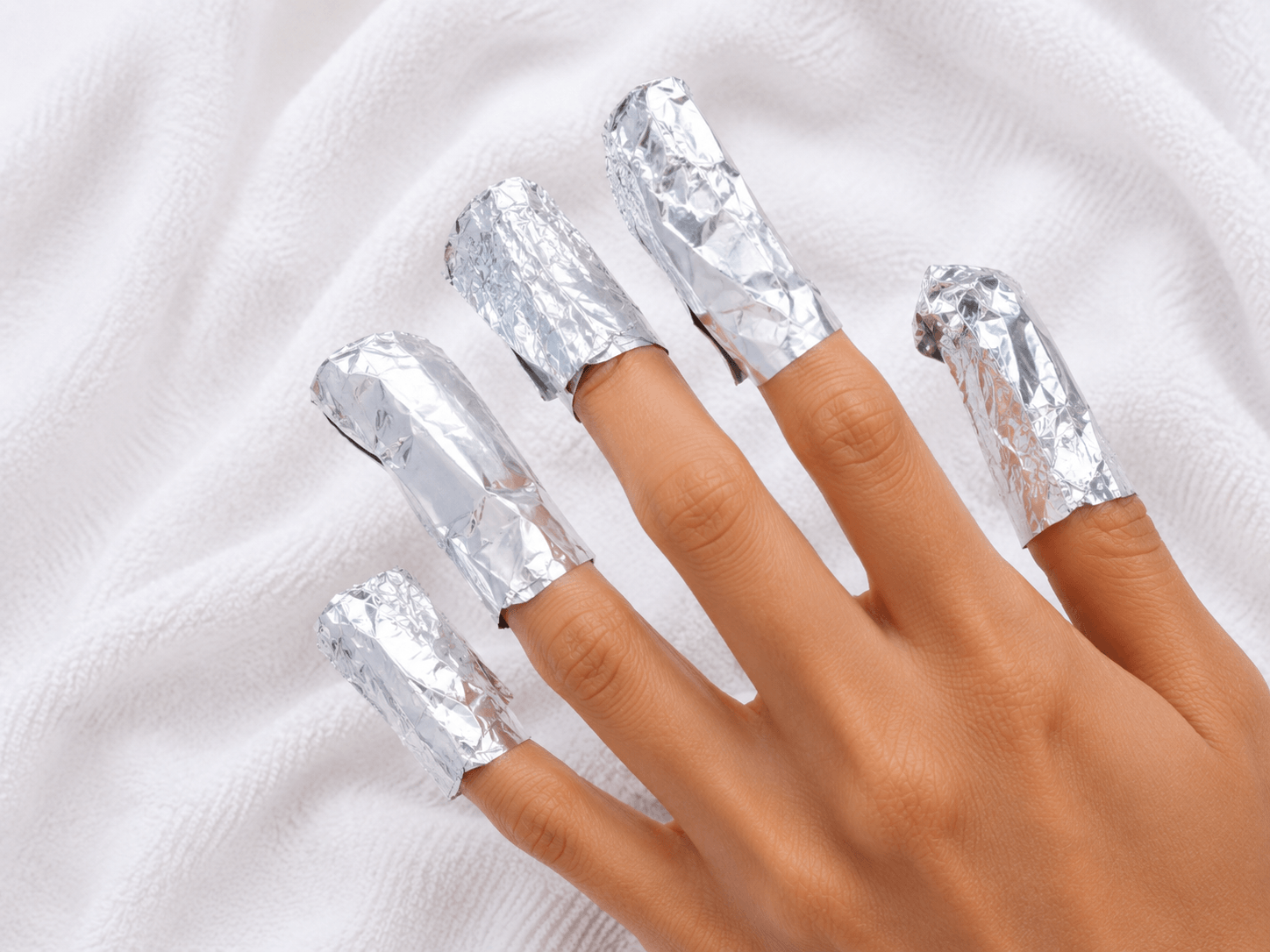
How to Remove Gel Nails at Home Without Damage
The safe method for removing gel at home, what to avoid and how to protect the nail plate throughout.
Read more
Can You Have Gel Nails When Pregnant?
The official position, the practical reason a midwife might say no, and what to consider about fumes, chemicals and infection risk.
Read more