
Coral Nails: Which Shade Actually Works for You
The version of coral that looks electric on one client can look draining on the next. In eight years doing nails across salons in London and Nottingham, I’ve watched the same shade produce completely different results on consecutive clients sitting in the same chair. The variable that explains it almost every time: undertone.
Coral nails are one of the most reliably booked summer shades. The question I get asked most isn’t whether to book coral. It’s which coral.
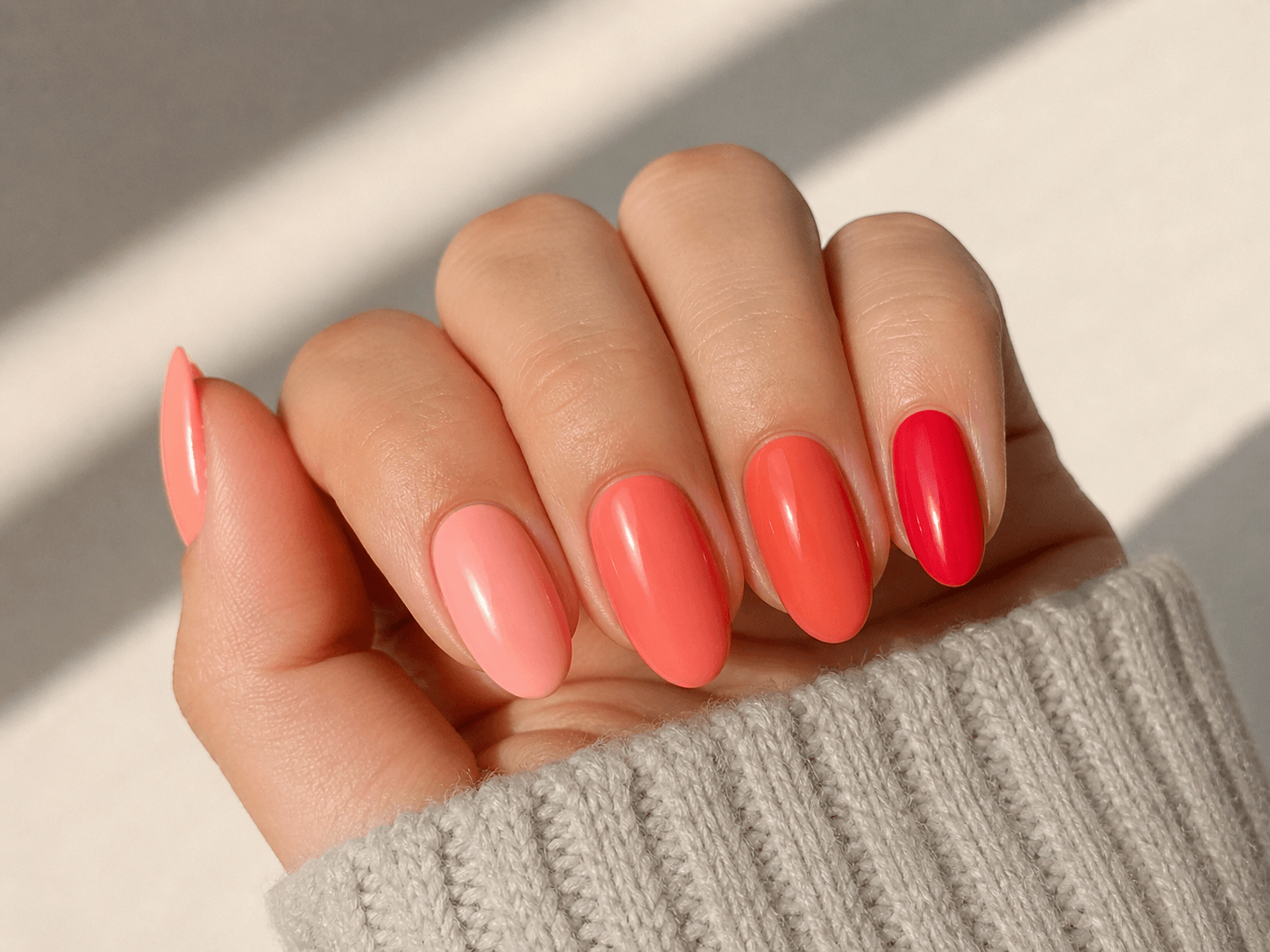
Coral isn’t one colour
Most people think of coral as a single shade, somewhere between pink and orange. In practice, it’s a spectrum. At one end, you have peachy corals that lean warm and soft. Push further along and you reach the orange-corals and red-corals, which are bolder and read very differently depending on what sits underneath them.
The further you move toward either end of that spectrum, the more your undertone determines whether it lands.
Warm undertones and coral nails
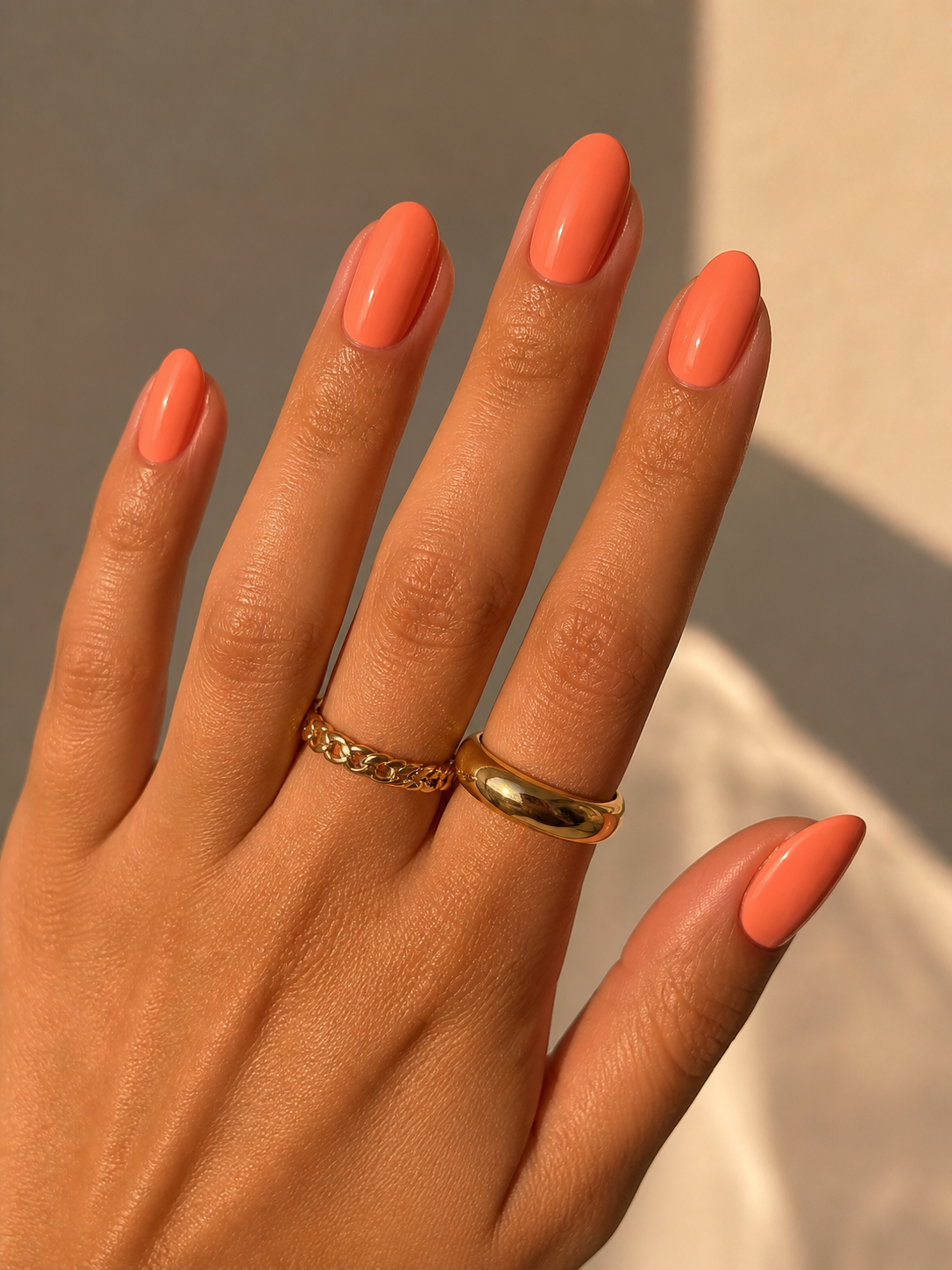
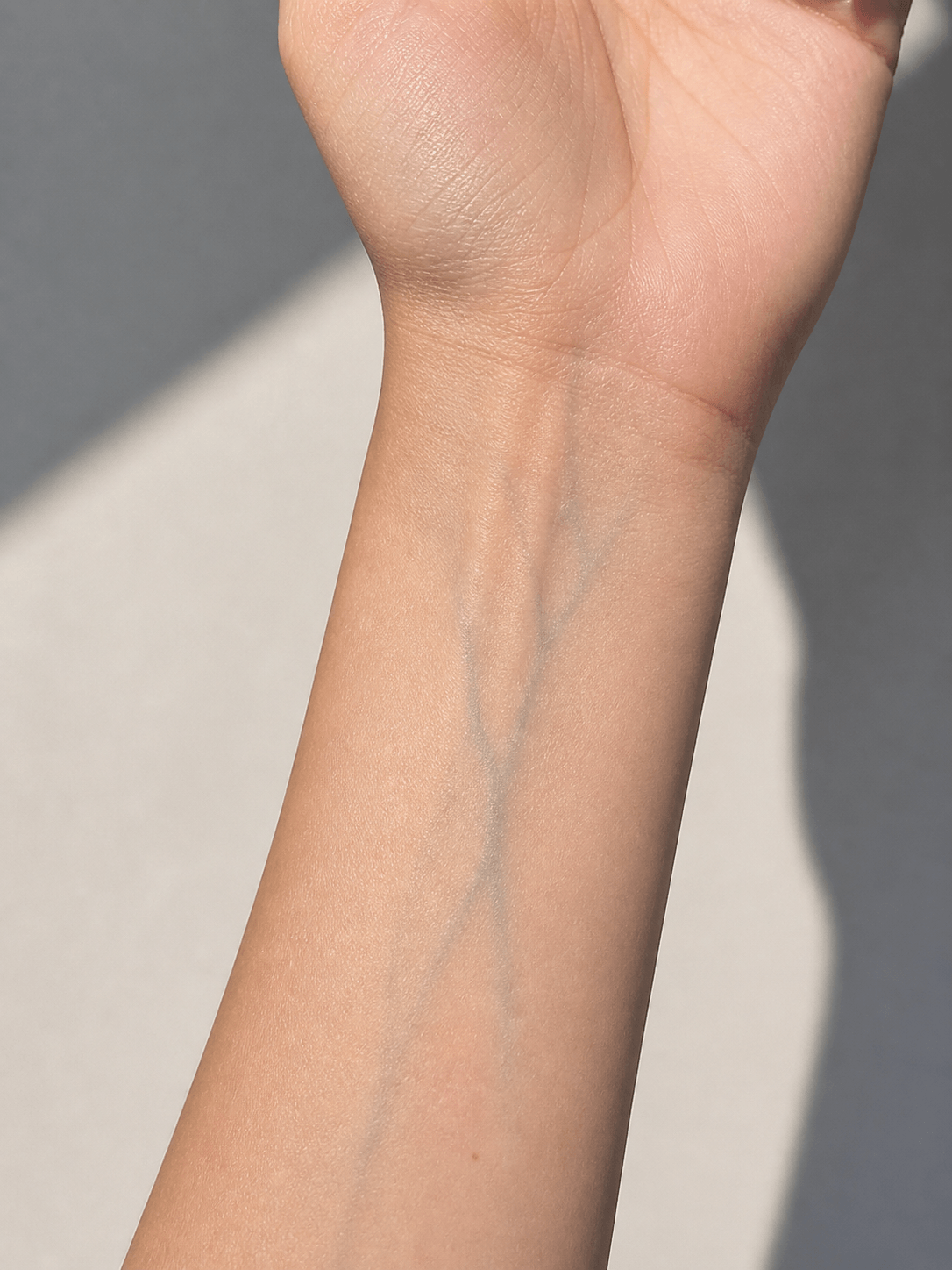
If your veins look greenish in natural light and gold jewellery sits better on you than silver, you have warm undertones. This is where coral performs most predictably.
Orange-leaning corals and peachy corals both work here. The warmth in the shade echoes what’s already in your skin rather than competing with it. In my experience, this is the most reliable combination in the entire coral spectrum.
One caveat: if you have fair warm-toned skin, push toward the peachy-coral end rather than saturated orange-coral. A shade that reads beautifully on medium or tan warm skin can tip into clashing on a paler complexion. The saturation is the variable, not the undertone.
Cool undertones: go pink, not orange
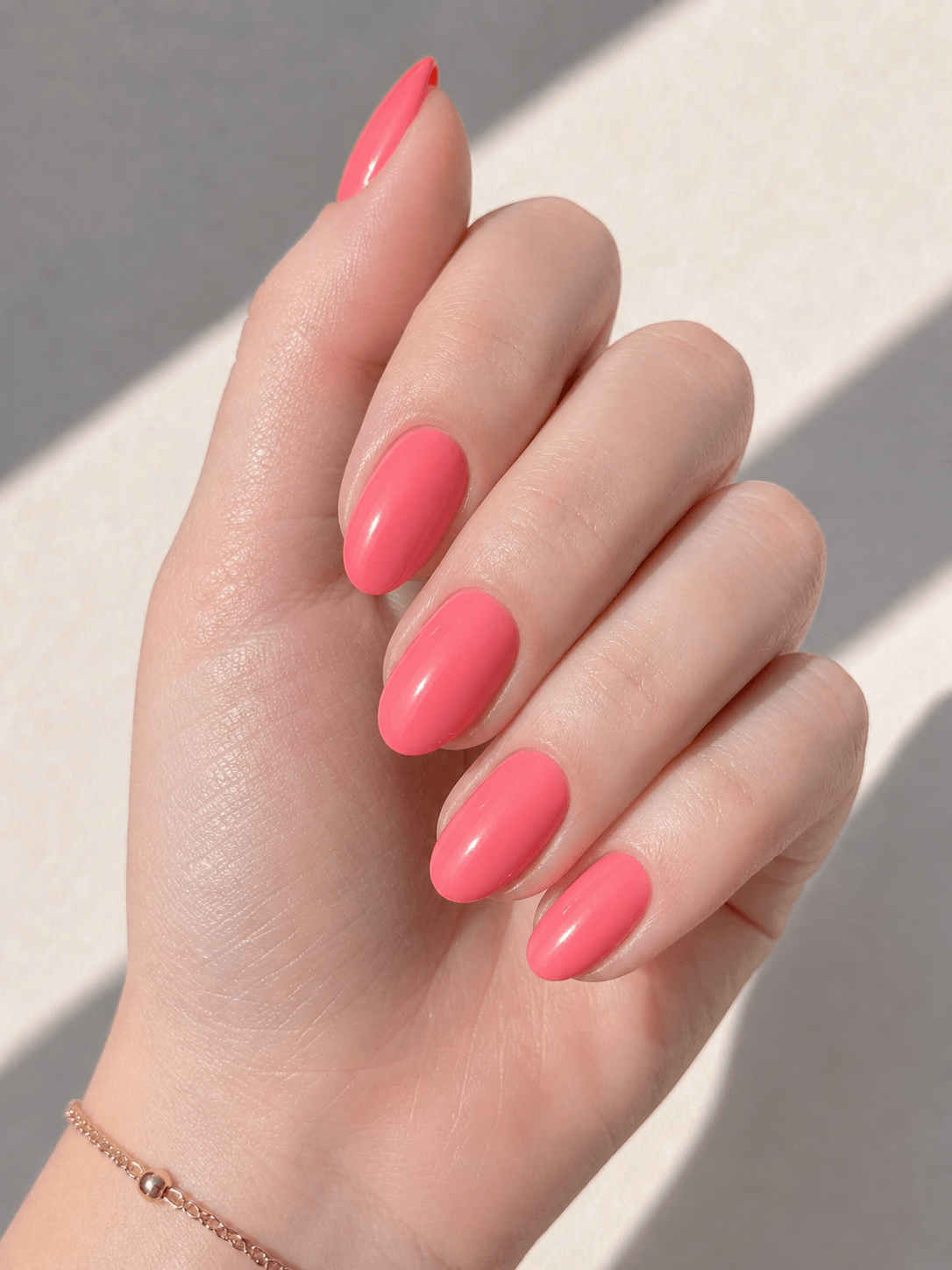
Cool undertones show as bluish or purple-tinted veins, and a tendency to look better in silver than gold. Coral can still work here, but the shade selection matters more.
The orange-leaning end of the spectrum will fight cool undertones. The pink-leaning end won’t. A pink-coral, sometimes described as watermelon or simply a cooler coral, creates brightness without the clash.
This is one of the most consistent things I observe at the salon. A client with blue-based skin picks up an orange-coral and looks washed out. I switch them to a pink-coral, which is the same warmth but a different base. It works.
Medium to deeper skin tones
Medium skin tones have the most flexibility with coral. Both ends of the spectrum tend to show up well. Where I’d steer clients is toward saturation. A soft, sheer coral can look flat on medium skin. A fully pigmented coral reads clearly and vibrantly regardless of whether it leans pink or orange.
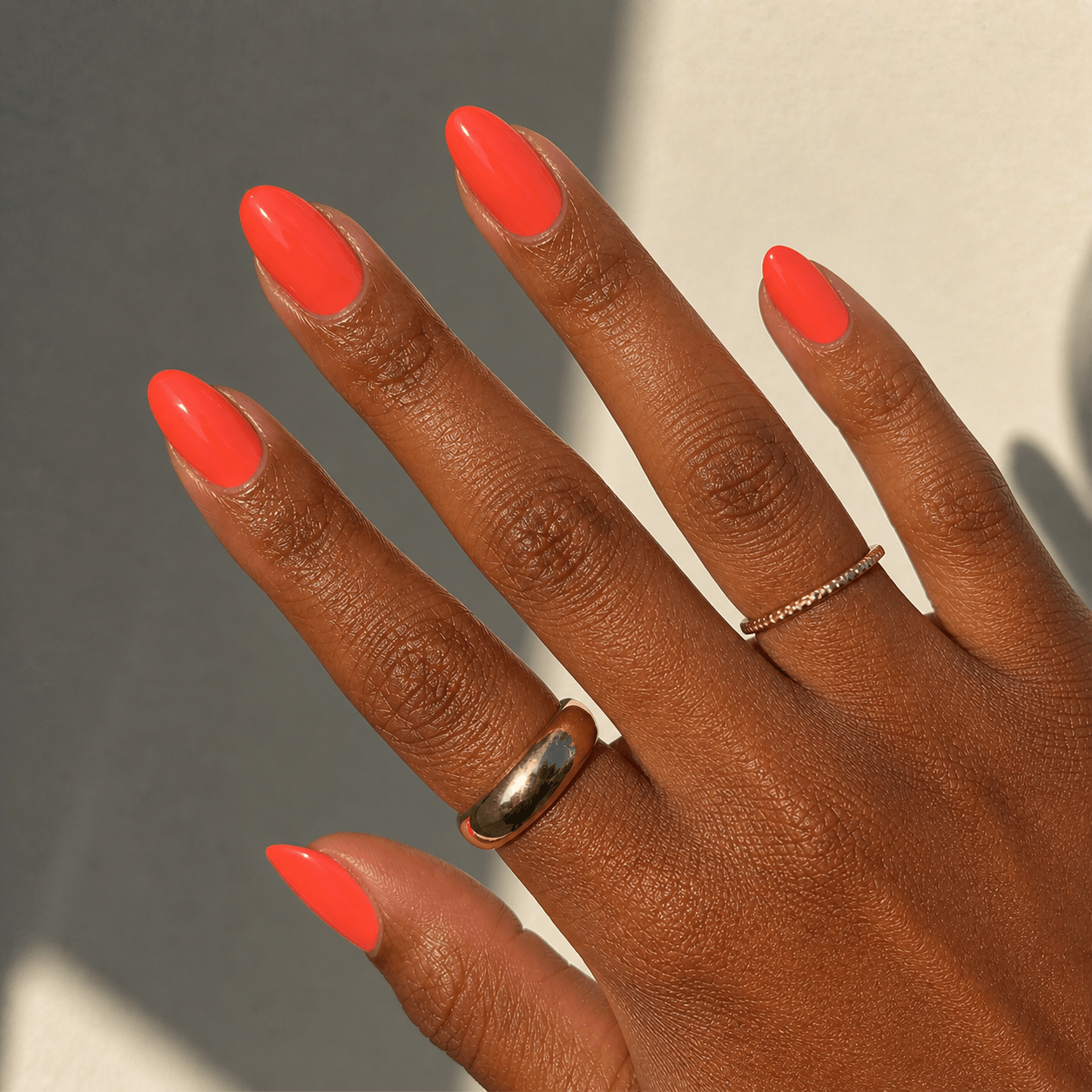
On deeper skin tones, bolder is almost always better. The reason is contrast. A pale peachy coral doesn’t have enough depth to read against rich skin. A bright coral does.
Something that gets left out of most coral skin tone guides: cool-toned dark skin still responds better to pink-based coral than orange-based coral. Deep skin and warm undertones aren’t the same thing, and conflating them leads to a lot of disappointing bookings.
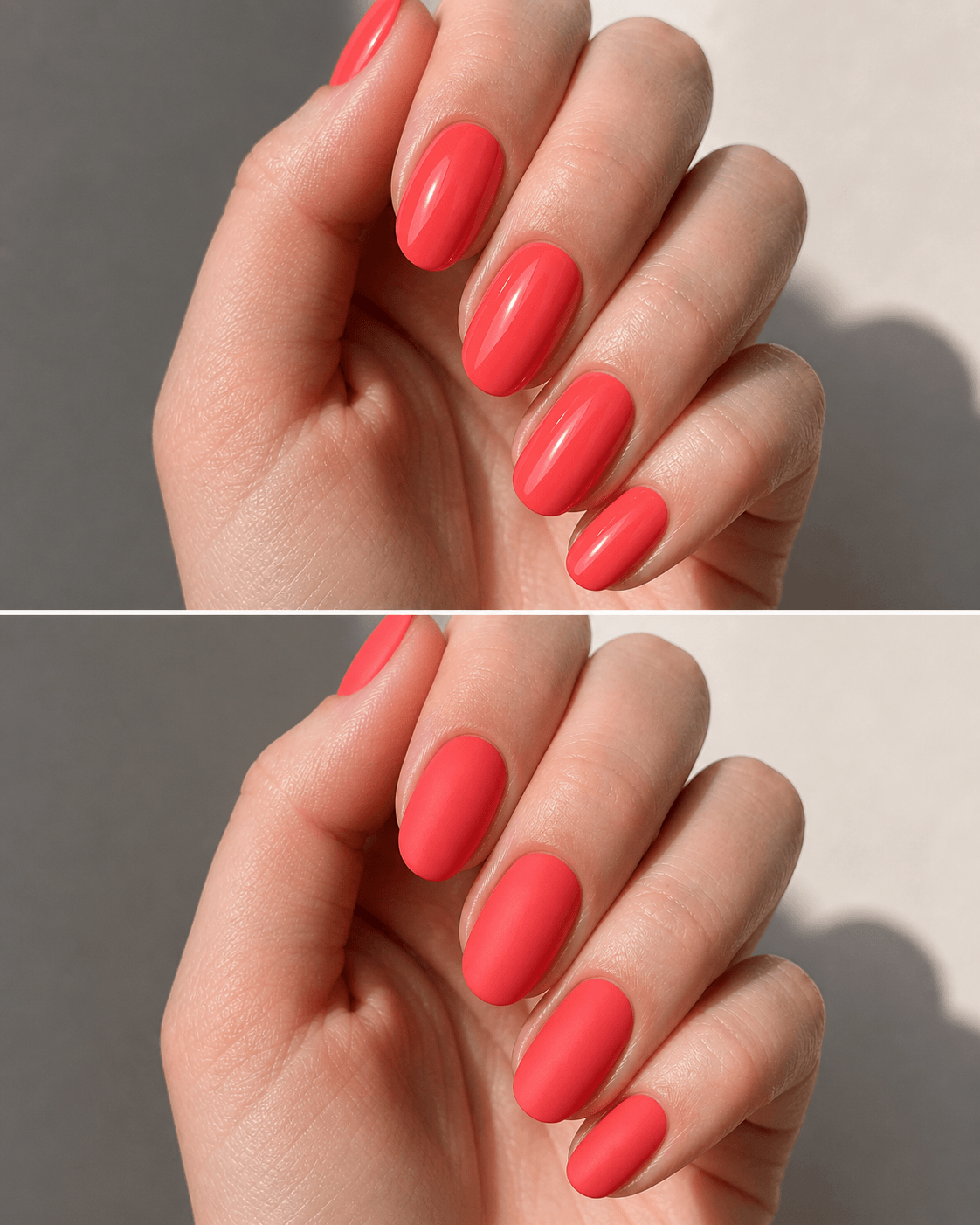
Does finish change how coral reads?
Briefly, yes.
A glossy finish intensifies the colour slightly, which helps on paler or cooler skin tones where coral might otherwise sit quietly. A sheer or jelly-style coral gives less coverage and reads more like a wash of colour. This works well on warm medium skin where you want something that looks effortless rather than saturated.
Matte coral is a specific choice. It flattens the shade and removes warmth. I rarely recommend it for clients choosing coral for the brightness it adds, because the matte finish removes the thing that makes coral interesting in the first place.
The right coral nails for your skin tone
Coral nails have earned their reputation as a universally flattering shade, but that reputation comes with a condition attached. Universally flattering across skin depths, yes. Universally flattering without adjusting for undertone, less so.
The starting question is undertone, not depth. Warm undertones: lean orange or peachy. Cool undertones: go pink-based. Deep skin: go saturated regardless of warmth. Fair skin: stay in the middle of the spectrum and avoid anything with too much orange in it.
If you’re getting coral nails and you’re not sure which direction to go, tell your technician your undertone. If you don’t know it yet, the vein test takes thirty seconds: green means warm, blue-purple means cool. That one detail changes which coral you leave with.
Related articles
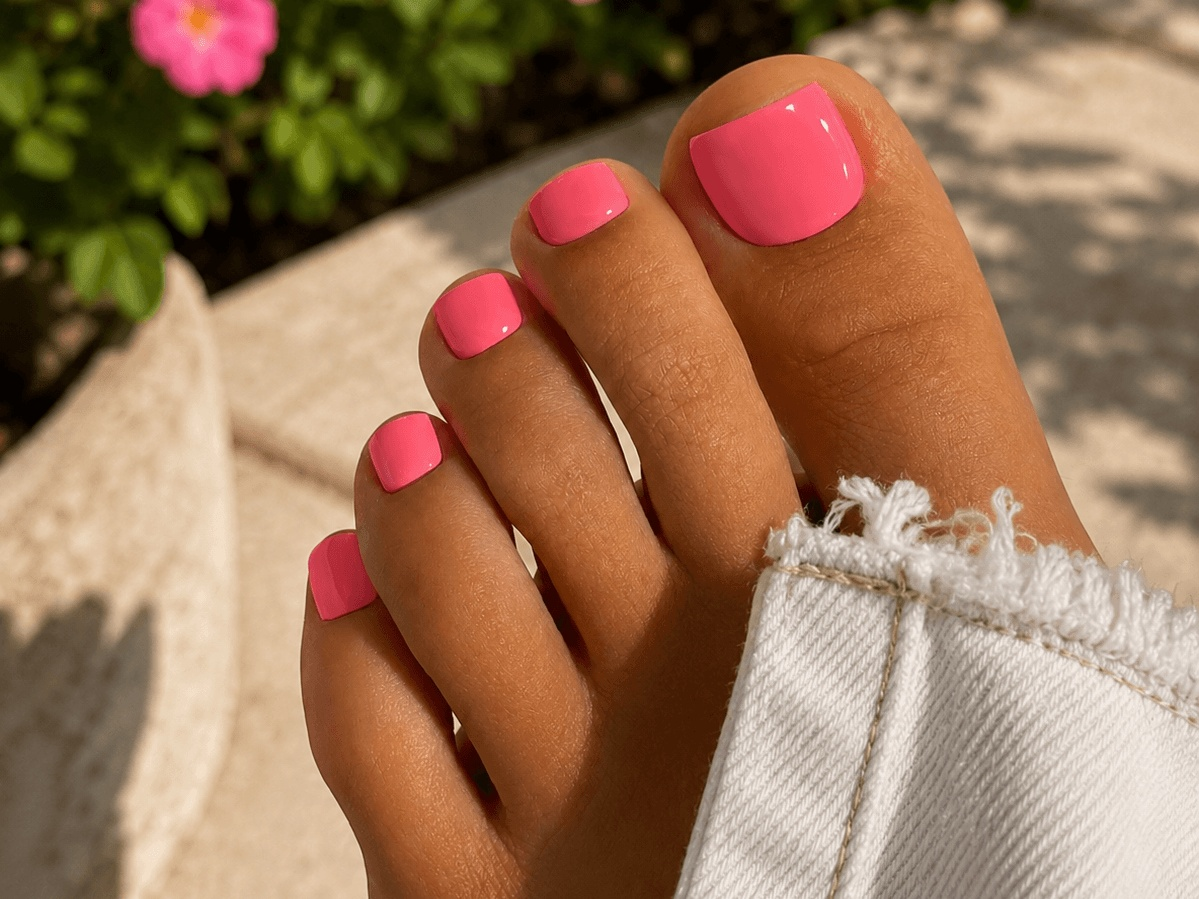
Bright Summer Pedicure Colours That Actually Work
If your manicure is staying minimal this year, your pedicure doesn’t have to. Here’s what I’d recommend for bright summer pedicure colours in 2026.
Read more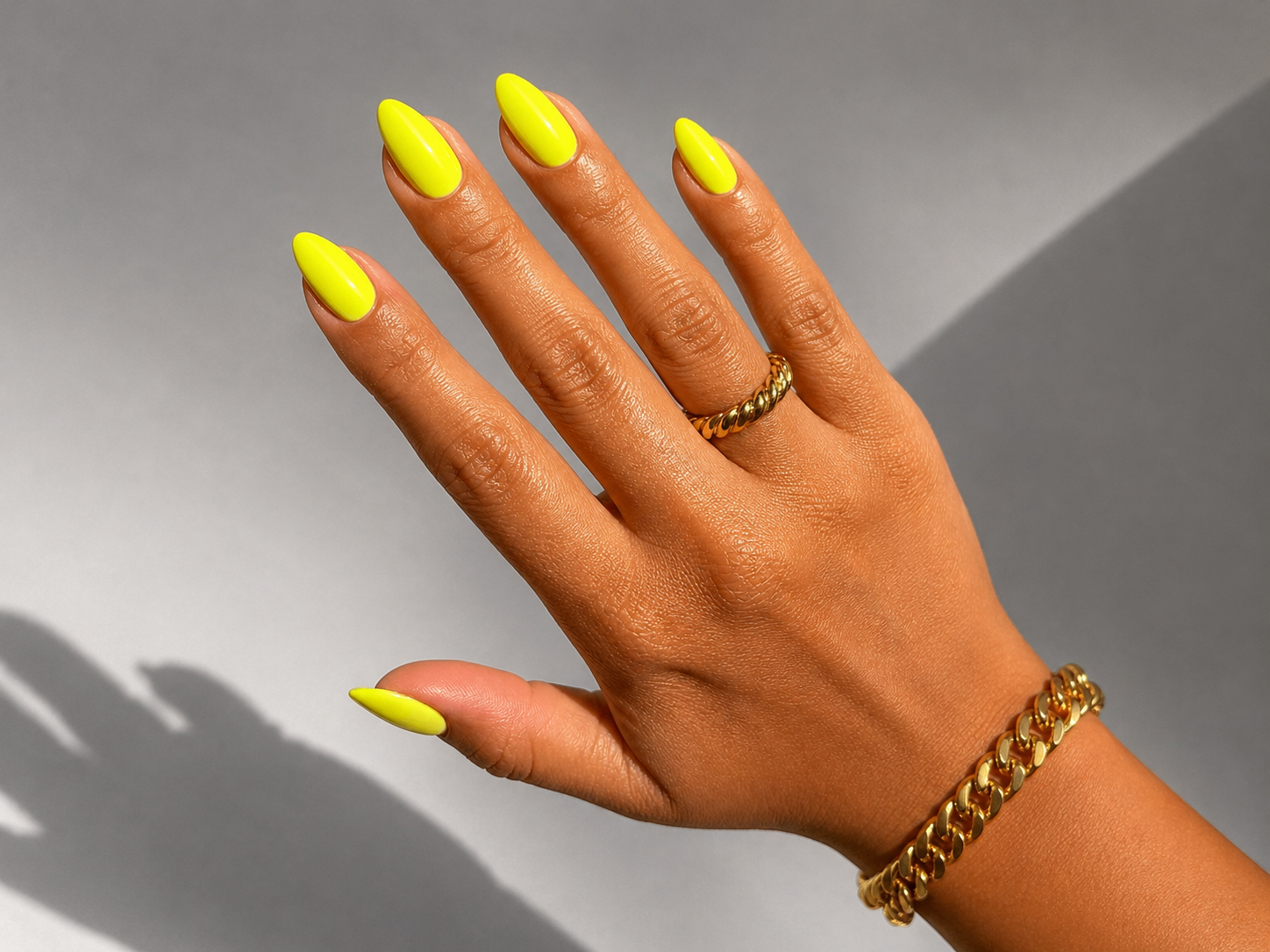
Neon Nails: Which Shade Actually Works for You
Which neon shade works depends more on your undertone than you’d think. Here’s the honest guide.
Read more
Simple Summer Beach Nails That Actually Last
The format and colour choices that survive a week of sun, salt and swimming and the one mistake worth avoiding.
Read more