
Ingrown Toenails: Causes, Treatment and Prevention
Ingrown toenails come up more in my work than you’d expect from a nail technician. Not because I treat them, I don’t, but because the way toenails are cut is one of the main reasons they happen in the first place, and that’s something I see done incorrectly all the time.
What’s Actually Happening
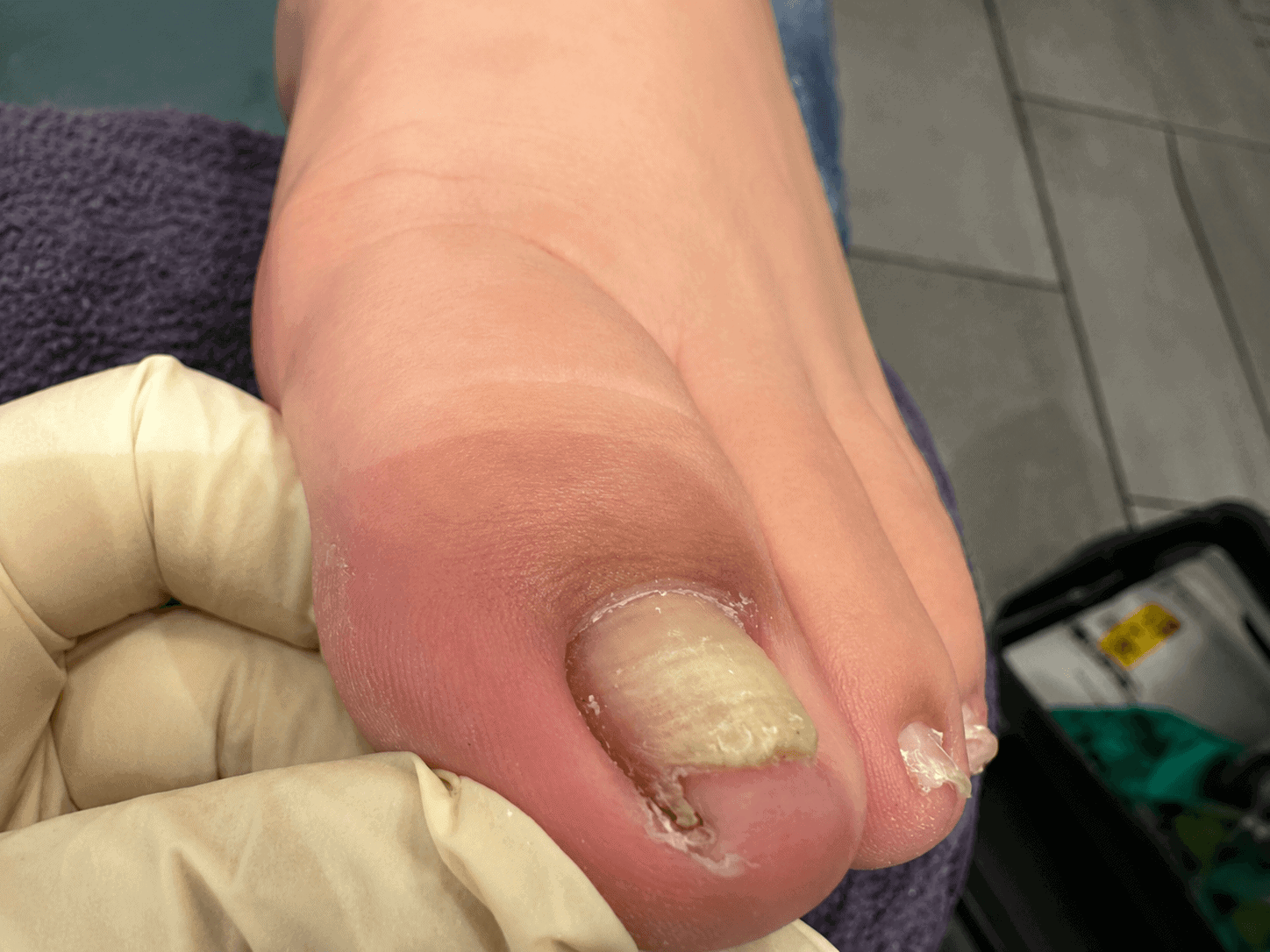
An ingrown toenail develops when the edge of the nail grows into the surrounding skin rather than over it. The big toe is most commonly affected, on one or both sides. The skin becomes tender, then red and swollen, and if it’s left without attention it can become infected.
The nail itself isn’t always the problem. Sometimes it’s the skin folding over the nail edge as the toe is compressed by a shoe. Sometimes the nail is curved in a way that makes it naturally more prone to digging in.
What Causes Them
Cutting toenails incorrectly is the most common preventable cause, and it’s the one I see most often in the salon. Cutting too short, rounding the corners, or cutting down the sides encourages the skin to fold over the nail and gives the nail less to grow over cleanly. Toenails cut straight across with the corners left intact are far less likely to cause a problem.
Tight-fitting shoes are the other significant cause. Footwear with a narrow top that compresses the toes pushes the skin into the nail edge repeatedly, particularly in the big toe. High heels are the other cause as they shift body weight forward onto the toes and create the same pressure from a different angle.
Some people also have naturally curved or fan-shaped nails that are more prone to growing inward regardless of cutting technique or footwear. If ingrown toenails keep recurring despite doing everything right, nail shape is worth discussing with a podiatrist.
Home Treatment for Mild Cases
If the toe is sore and slightly red but not infected, home treatment is usually enough to resolve it.
Soak the foot in warm water for fifteen to twenty minutes, three or four times a day. Dry the toe thoroughly afterwards. Once the skin has softened slightly, use a clean cotton bud to gently push the skin away from the nail edge rather than trying to cut anything out.
Do not dig under the nail or cut the corner away yourself
You might end up hurting yourself, leading to nail or skin infection. Repeat the soaking routine daily and give it a few weeks because the nail needs time to grow forward past the point where it was digging in.
Signs It Needs Professional Attention
Home treatment has a limit, and knowing when you’ve reached it matters. Stop self-treating and see a GP or podiatrist if:
- The toe becomes increasingly painful rather than improving. Pain that gets worse over several days despite soaking is a sign the nail needs professional intervention.
- There is any pus or discharge around the nail. This indicates infection and infection needs antibiotics, not warm water.
- The redness starts spreading beyond the immediate area of the nail. Spreading redness is a sign the infection is moving into the surrounding tissue.
- You develop a throbbing sensation or fever. Systemic symptoms alongside a localised nail problem need medical attention promptly.
The NHS ingrown toenail guide covers what to expect from medical treatment if you’re not sure what the next step involves.
If you have diabetes
Don’t attempt home treatment at all. Poor circulation and reduced wound healing mean that even a minor ingrown toenail can deteriorate quickly and needs professional assessment from the start.
If an ingrown toenail keeps coming back after it’s resolved, that’s also a reason to see a podiatrist rather than managing it repeatedly at home.
What a Podiatrist Can Do
For ingrown toenails that don’t resolve at home or that keep recurring, a podiatrist can offer proper treatment.
For most people, going directly to a podiatrist rather than waiting for a GP referral is the faster route and increasingly the recommended one. In some parts of the UK you can self-refer to NHS podiatry without going through your GP first, which is worth checking in your area. NHS waiting times can be long and not universally available, so private podiatry is also worth considering for a quicker appointment.
For most cases, treatment involves removing the section of nail that’s causing the problem under local anaesthetic. A chemical called phenol is then applied to the nail bed to prevent that portion from growing back. It’s a minor procedure done in clinic and most toes heal within four to eight weeks, though this varies.
Can a Nail Salon Help While You Wait
If you’re in pain and your podiatry appointment is still weeks away, a nail salon can offer some short-term relief. A nail technician can assess the nail, clean the area and in some cases carefully trim the ingrown edge to reduce the immediate discomfort. It won’t fix the underlying problem, and the nail will grow back into the same position within a few months, but it can make the waiting period more manageable.
It’s worth being upfront with the technician about what’s happening before you sit down. A good technician will tell you honestly whether they can help or whether the nail is in a state that needs professional medical attention before anything else is done to it.
How to Prevent Them
Cut toenails straight across. Not rounded, not angled, not trimmed down the sides. Leave the corners intact and cut to a length that sits just at or slightly beyond the end of the toe rather than cut short. If you want shapes for your toenails, you can achieve it by leaving your toenails longer than your actual nail bed.
The two mistakes I see most often
Cutting the corners off to make the nail look neater, and cutting too short because it feels like it’ll last longer between trims. Both do the opposite of what’s intended. The corner cut leaves a sharp edge that grows directly into the skin fold. The short cut encourages the surrounding skin to migrate over the nail as it grows back.
If you’re not confident about the technique, a podiatrist can show you the correct approach at a routine appointment. Or when you visit a nail salon, you can ask a nail technician to do what I recommend above.
Wear shoes that fit properly with enough room across the toe box. Tight shoes and high heels are two of the most consistent contributors to recurring ingrown toenails, and switching footwear alone resolves the problem for many people.
Lastly, try to keep feet clean and dry, and moisturise regularly because dry, hardened skin around the nail folds is more likely to crack and press against the nail edge.
Related articles
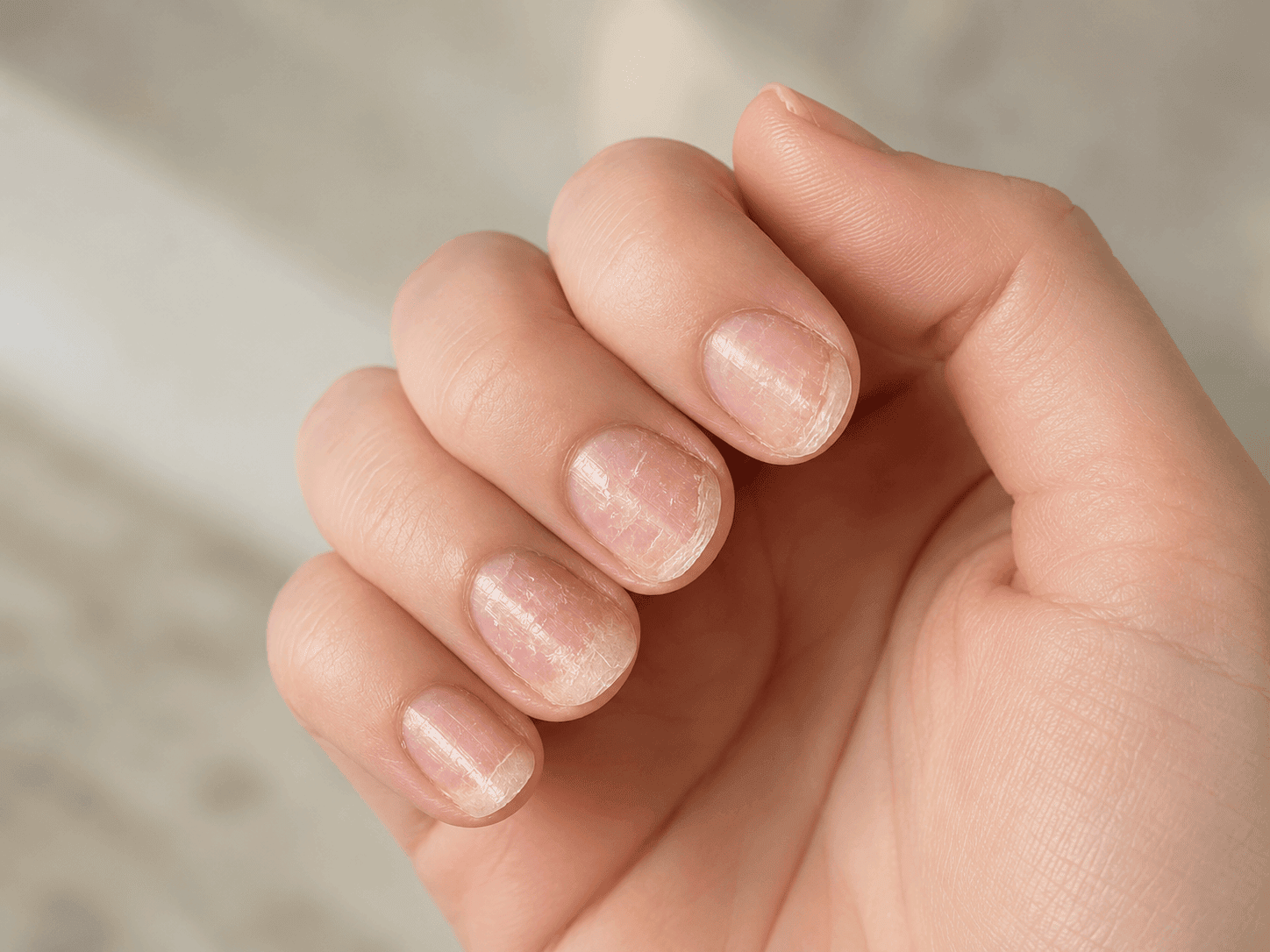
Brittle Nails: Causes, Treatments and How to Prevent Them
How to tell whether brittle nails are caused by something external or internal, what to do about each, and when to see a GP.
Read more
Can You Have Gel Nails When Pregnant?
The official position, the practical reason a midwife might say no, and what to consider about fumes, chemicals and infection risk.
Read more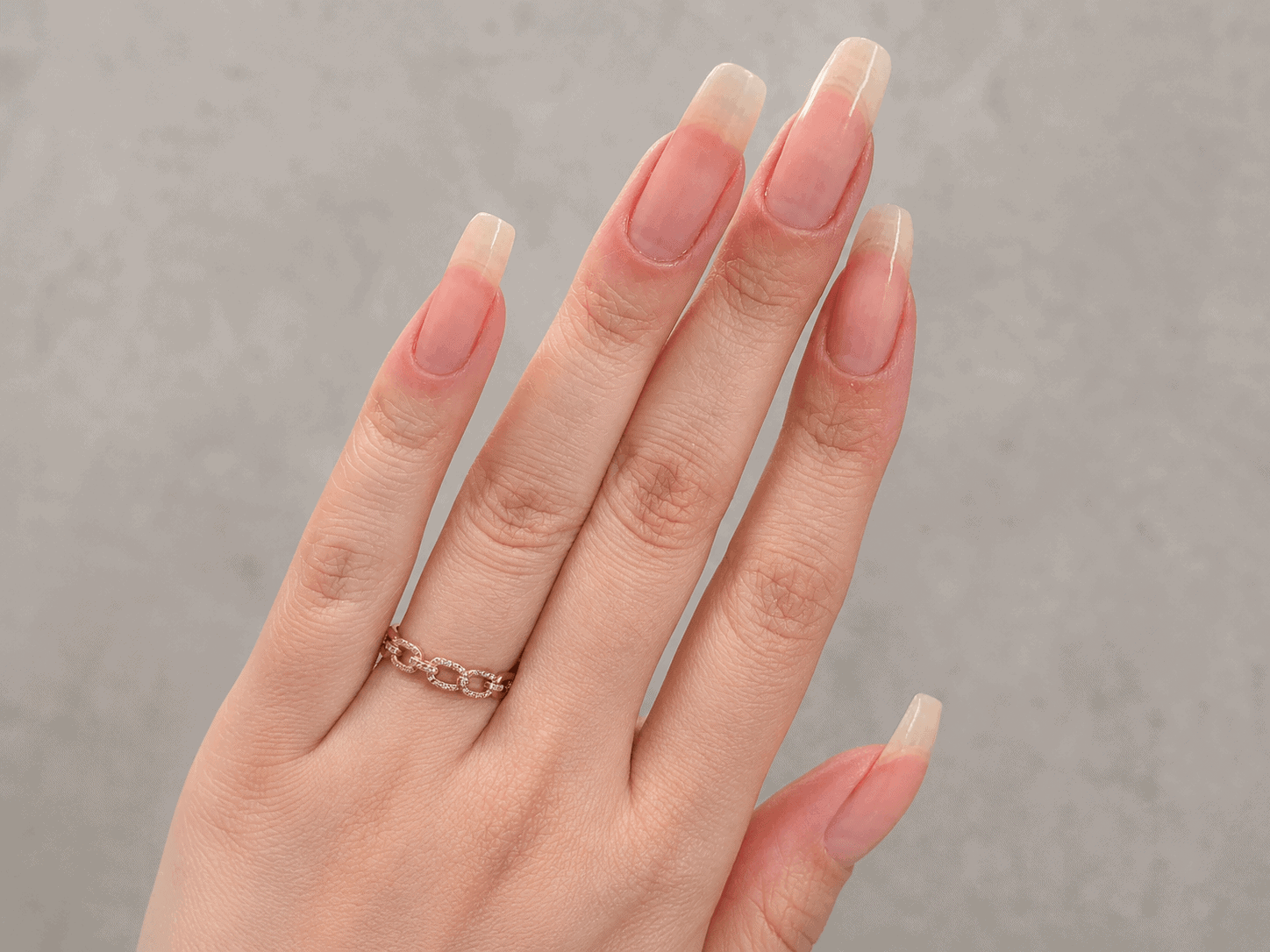
How to Make Your Nails Grow Faster
Why your nails probably are growing but keep breaking, and the habits that actually get you to longer nails.
Read more
Why Are My Nails Yellow? Causes and Fixes
The difference between polish staining and a fungal infection, other causes worth knowing about, and when to see a doctor.
Read more